Follow the water in one direction
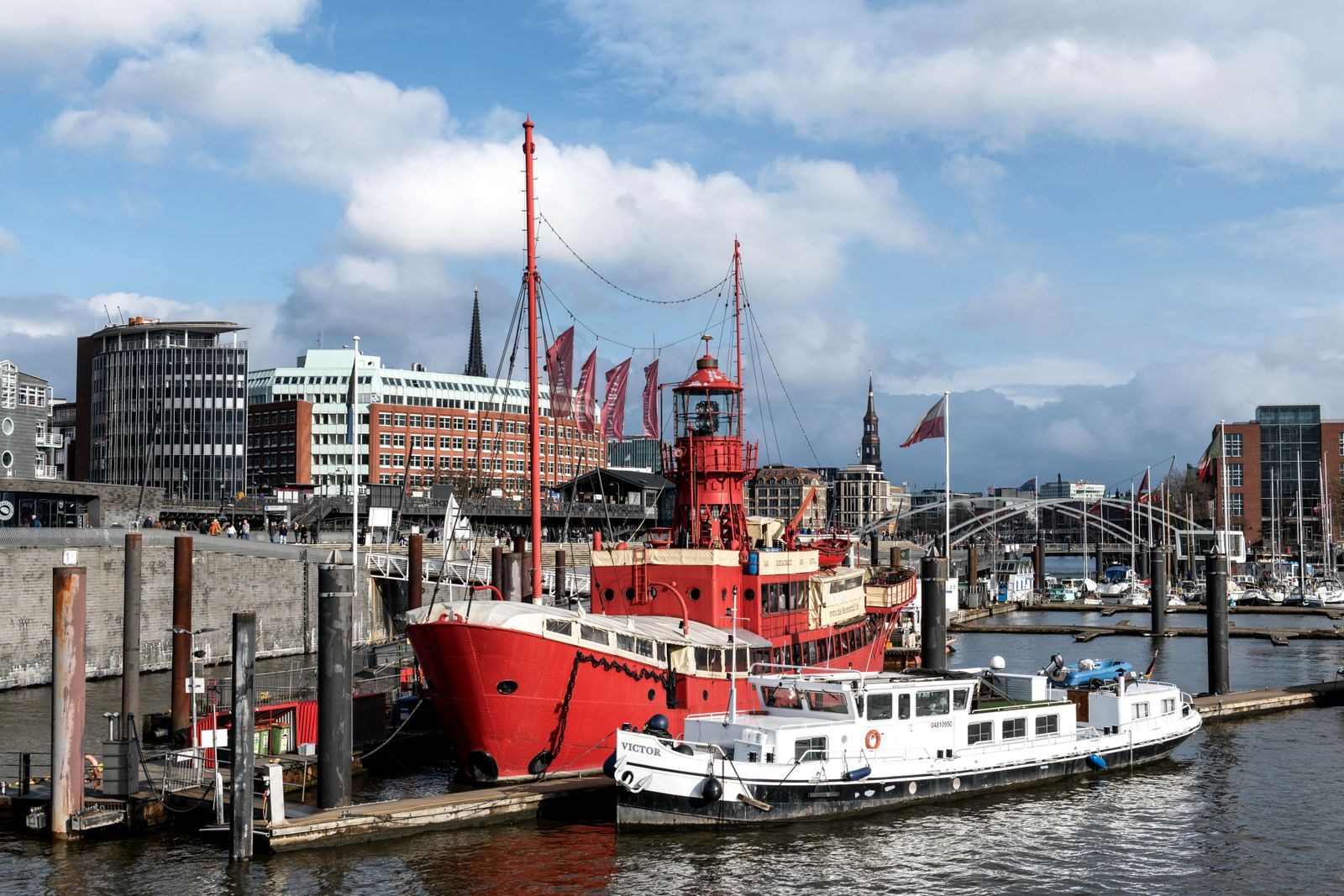
Treat Speicherstadt and HafenCity as one connected walk. Bridges between brick warehouses cross narrow channels; farther south, the view opens towards harbour basins, terraces and contemporary buildings. That change in scale gives the route its interest. Repeatedly returning to your starting point turns a manageable area into a surprisingly long outing.
Mark a beginning and an end on your map, such as an entrance to Speicherstadt and a convenient station in HafenCity. Put only one substantial indoor visit between them. Miniatur Wunderland and a large museum are not quick photograph stops, so a reserved entrance time should leave the rest of the morning reasonably open. You can first appreciate the Elbphilharmonie from outside. Its Plaza, tours and concerts have different access arrangements; consult the venue for the particular experience you want.
Give Landungsbrücken a separate block
The Landungsbrücken and the waterfront farther west deserve another part of the day. On a map, the Elbe can look like one continuous promenade, but walking, crossings and pauses accumulate. Use public transport if you want to move directly from the eastern harbour area, rather than making the connecting walk compulsory.
A harbour ferry can provide an enjoyable trip on the water, but it primarily serves transport needs. Check the intended route, ticket validity and service changes with HVV. A narrated harbour cruise is a different purchase. Choose according to whether you want to reach a particular place or understand more about the port; the presence of a boat does not make the two experiences interchangeable.
One neighbourhood is enough
For your second day, choose between another waterfront stretch and a neighbourhood. Ottensen allows time around smaller streets and shops, while an Alster walk shifts attention towards open urban space. Trying to include both after a detailed harbour day leaves little opportunity to settle anywhere.
When choosing accommodation, a useful station can matter more than a view of a crane. Compare the journey from your arrival station, the connection to your evening meal and the return after your final activity. A lower room price becomes less convincing if every morning begins with several changes of train.
Plan for wind as well as rain
A stop beside the water can feel much cooler than a walk between buildings. A wind-resistant outer layer and a small daypack that closes securely are therefore more useful than unnecessary changes of clothing. Make a café or indoor attraction a deliberate break along the route, rather than an emergency option on the other side of Hamburg.
Rain may justify reversing the order of a museum and a waterfront walk. Any reserved admission remains the fixed point. Keep the surrounding activities flexible enough that a weather change does not produce wasted tickets or a rushed journey across town.