Travel library
Search for a destination or a question. Topics range from a first city walk to choosing luggage that suits the journey.
Germany
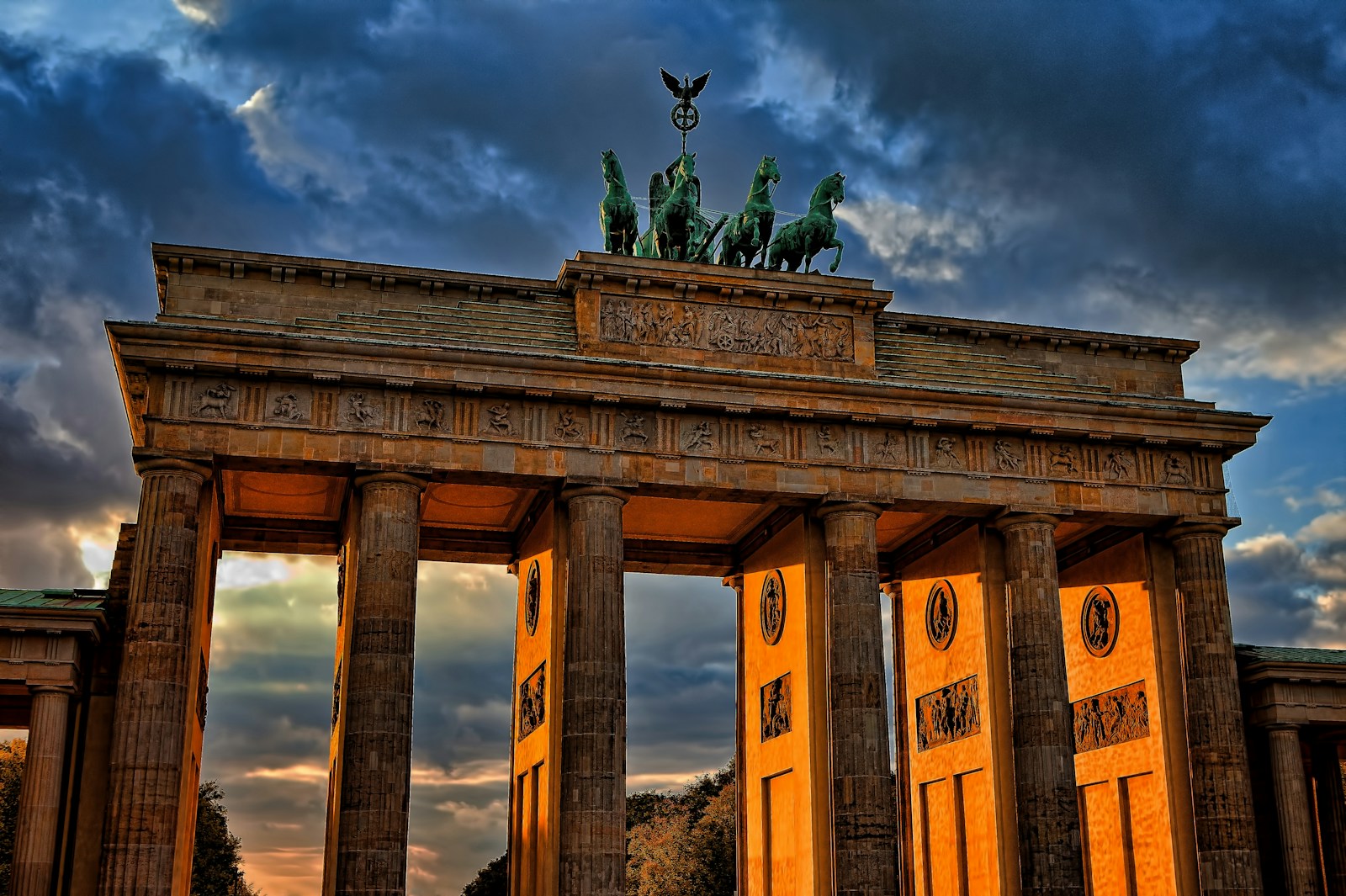
Berlin: a weekend between Mitte and Kreuzberg
A weekend is too short to cover Berlin completely. Two geographical anchors make the visit easier to manage: one day in Mitte and another with shorter neighbourhood walks in Kreuzberg.
Germany
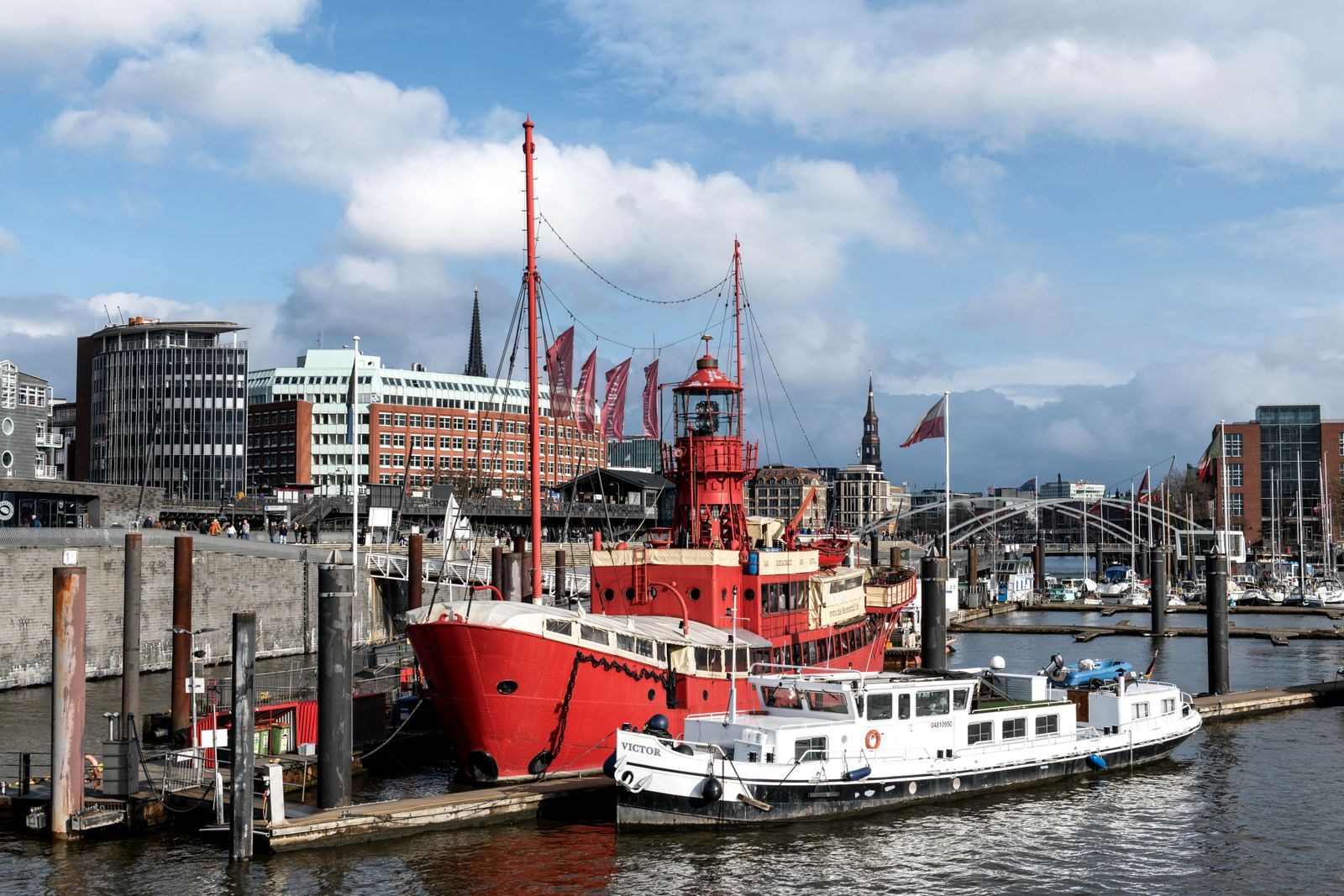
Hamburg without a car: harbour and neighbourhoods
Hamburg's harbour is not a single viewpoint. A car-free weekend works best when the warehouse district, the Elbe waterfront and one residential neighbourhood each receive their own space.
Germany
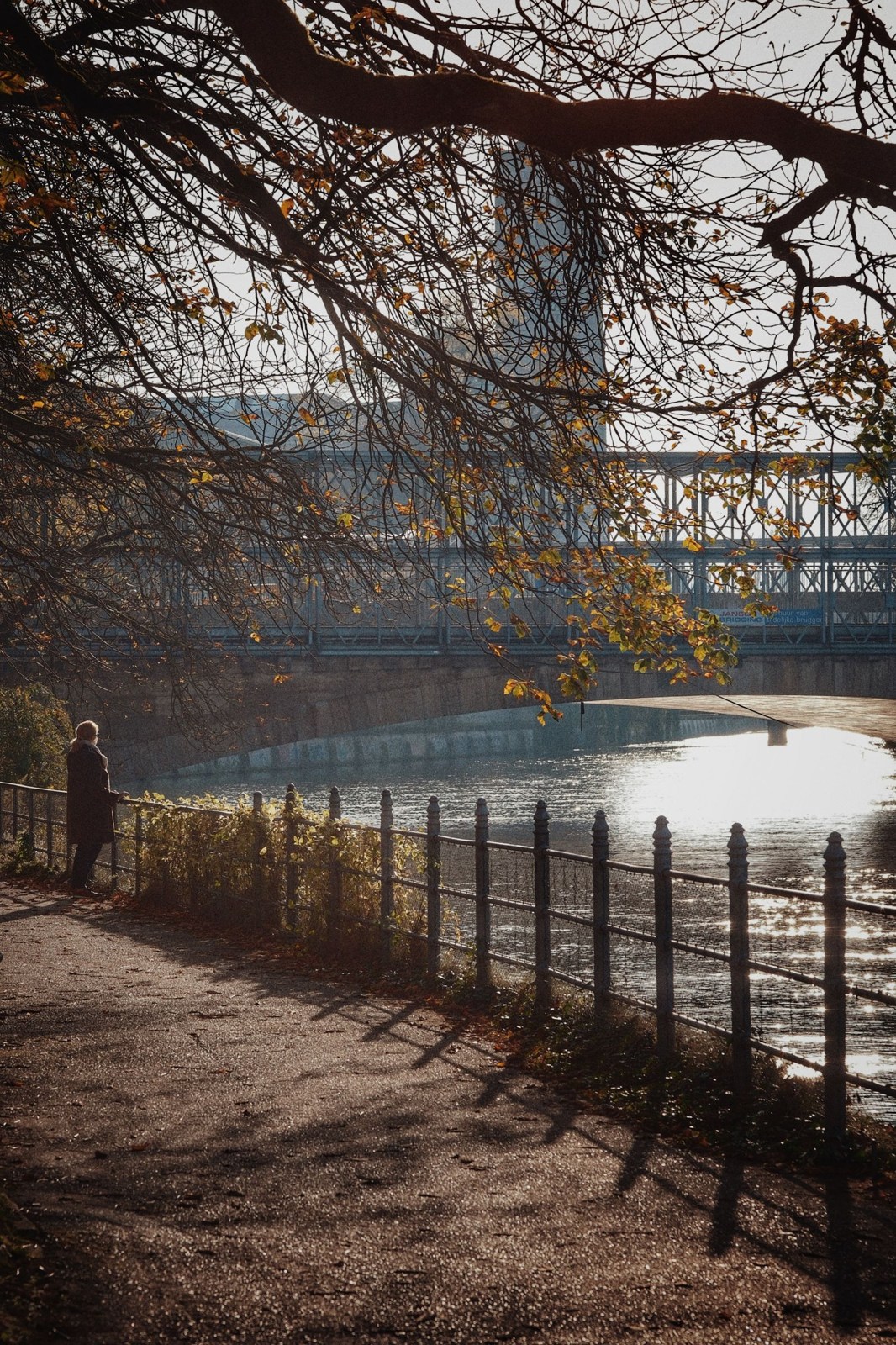
Munich: balancing museums and Isar walks
One substantial museum visit and a walk beside the Isar can fill a Munich day. The important decision is which museum to choose: they are not all beside the river.
Germany
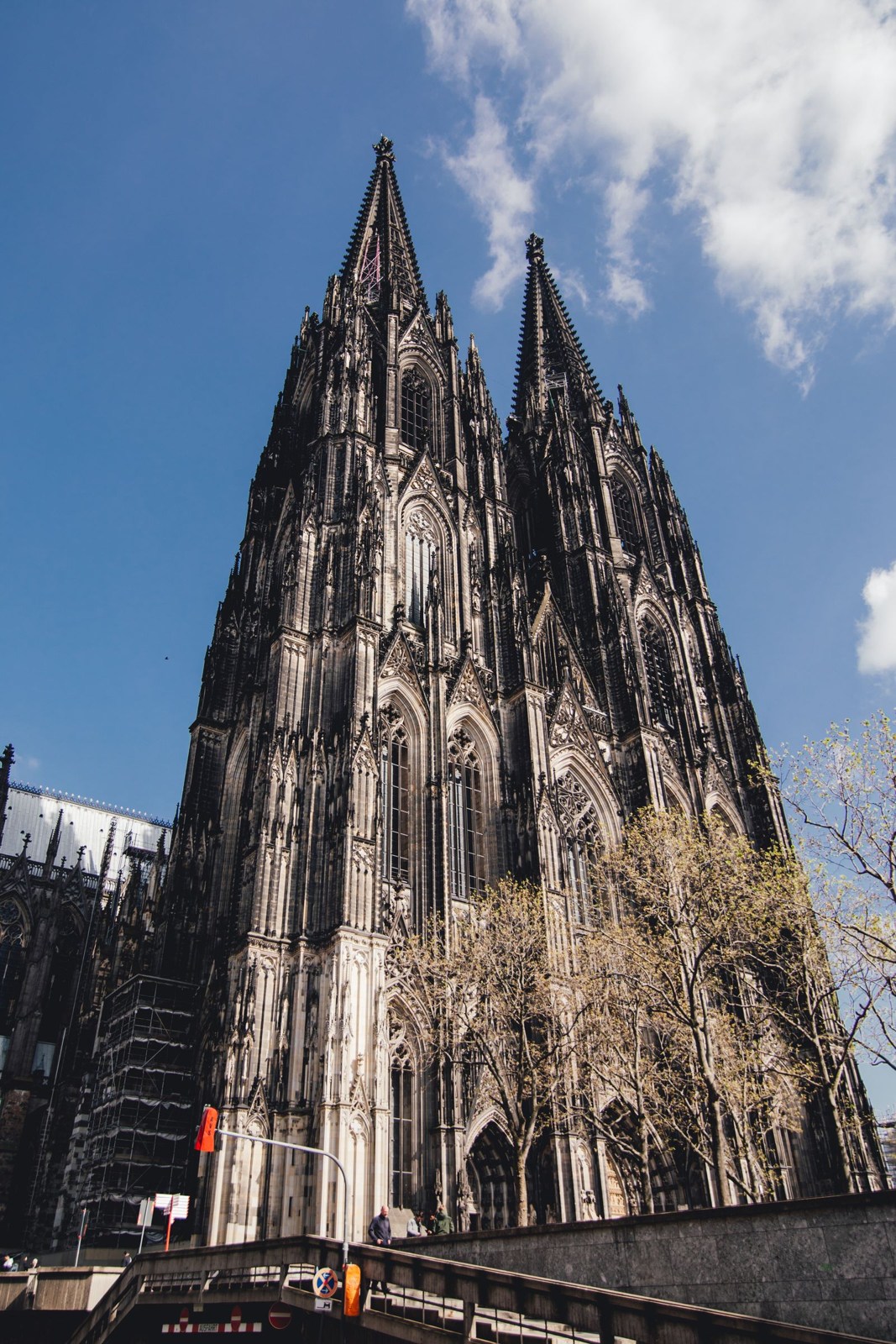
Cologne: cathedral quarter and Rhine in two days
Cologne's station, cathedral and Rhine waterfront sit close enough for a straightforward start to a short weekend. Their proximity is useful, but it should not be mistaken for unlimited visiting time.
Germany
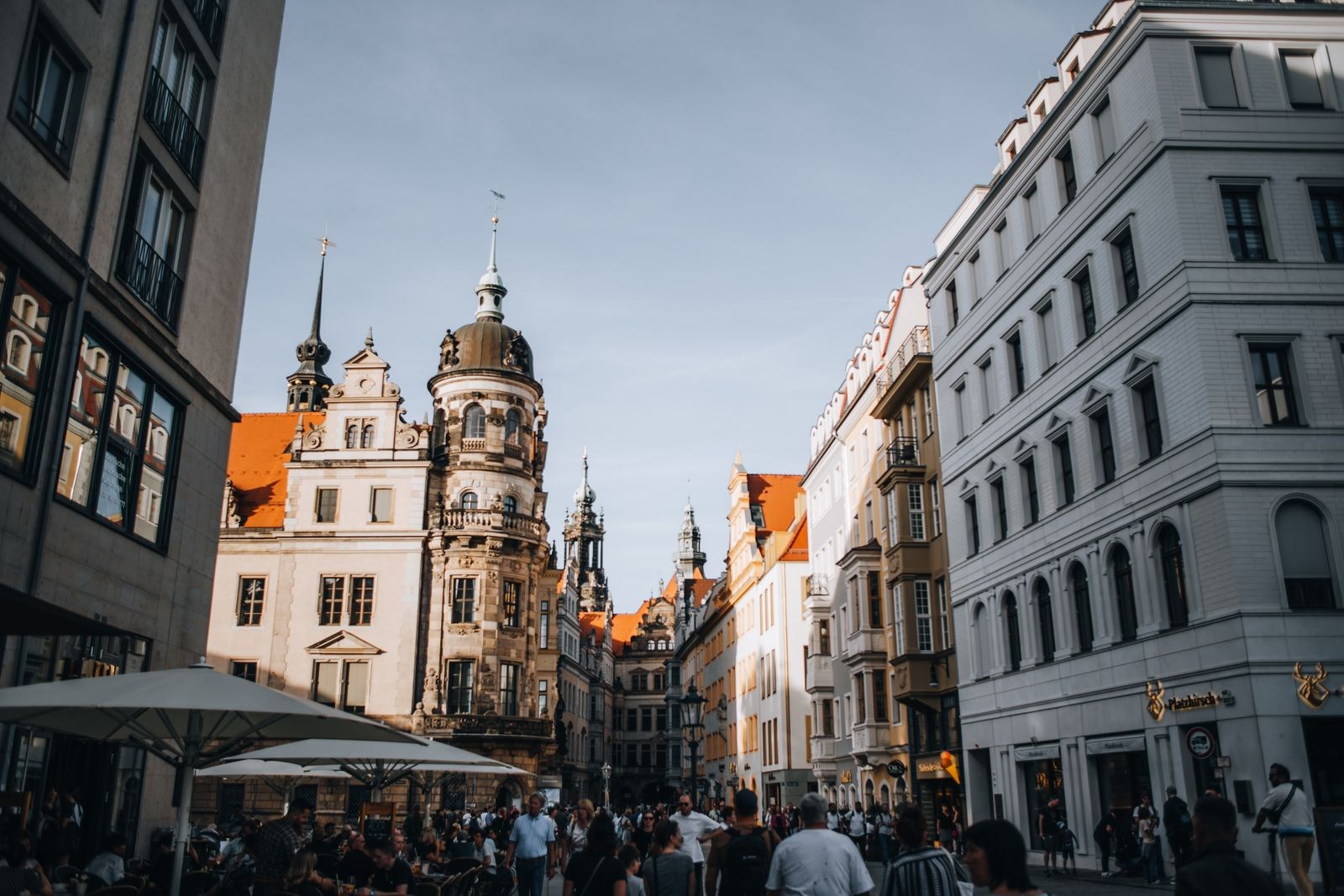
Dresden: exploring Altstadt and Neustadt separately
Dresden's Altstadt and Neustadt face each other across the Elbe, but offer different experiences. Giving each its own block of time prevents Neustadt becoming merely somewhere to eat after the monuments.
Germany
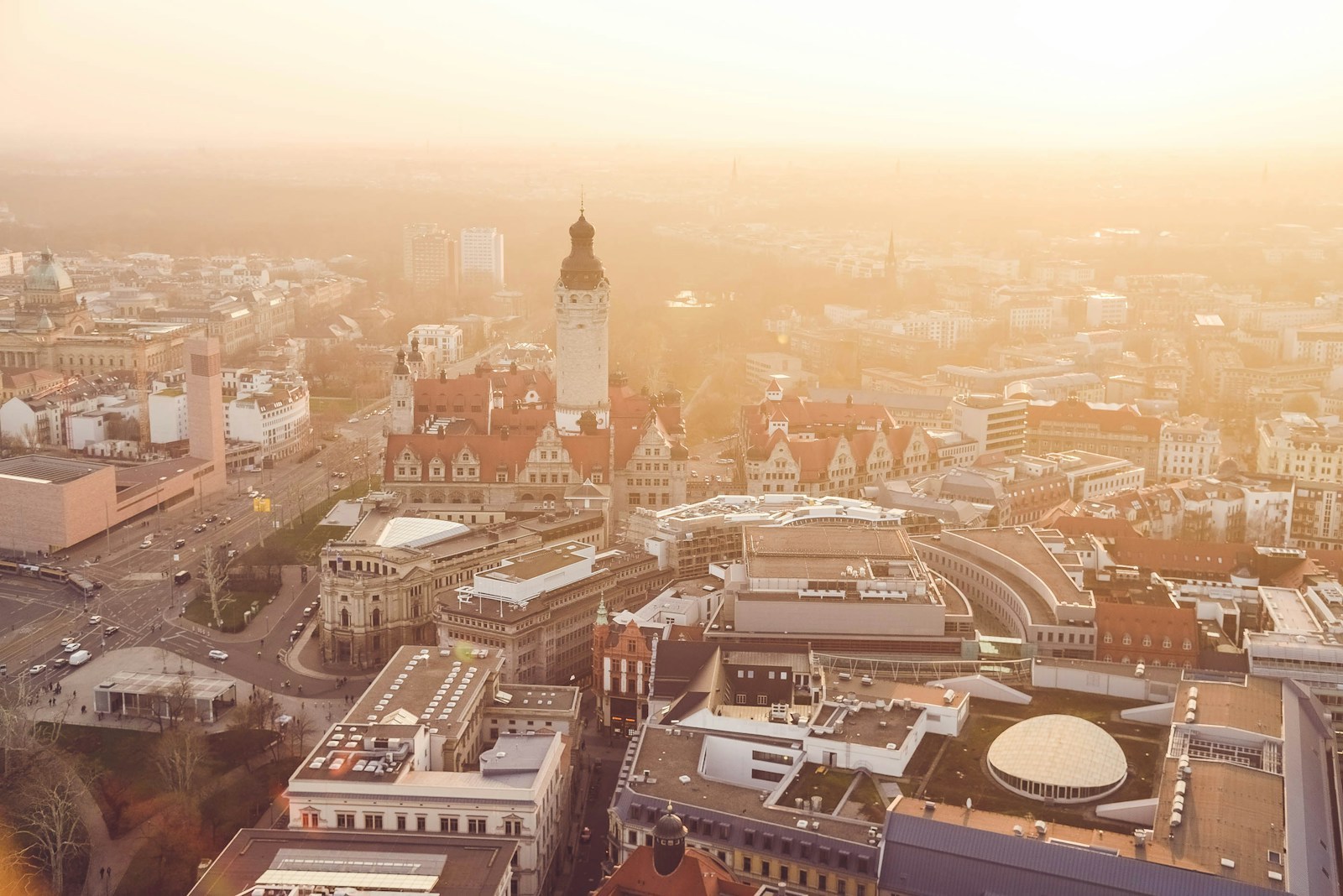
Leipzig: arcades, music and a quieter afternoon
Leipzig can be explored through passages and musical places without becoming a checklist of every attraction. A short stay benefits from one musical theme and an afternoon with room to pause.
Germany
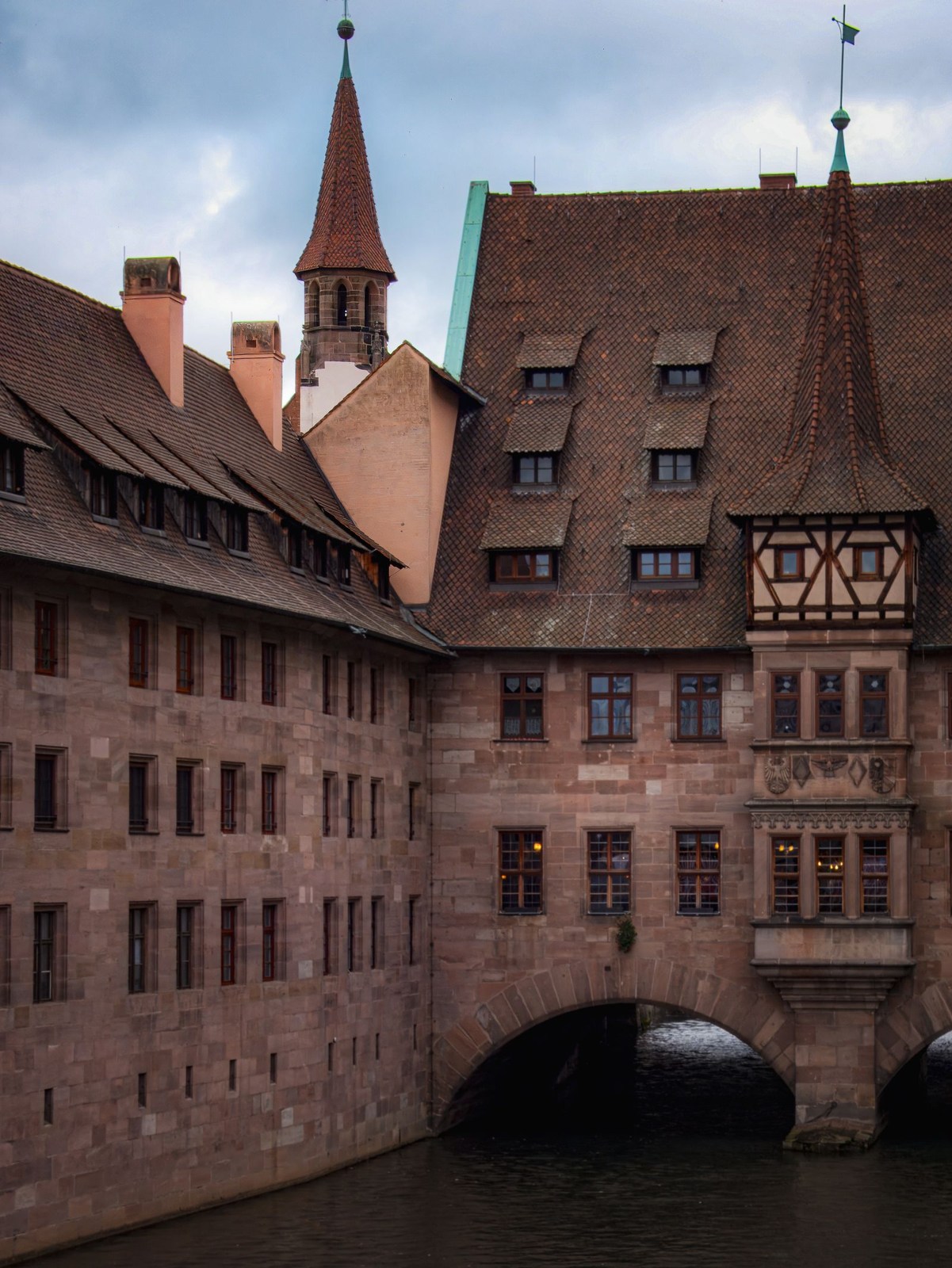
Nuremberg: a weekend inside and outside the walls
Nuremberg's walls give the old town a clear boundary. A weekend gains variety when an activity beyond that boundary is selected deliberately rather than squeezed between the castle and dinner.
Germany
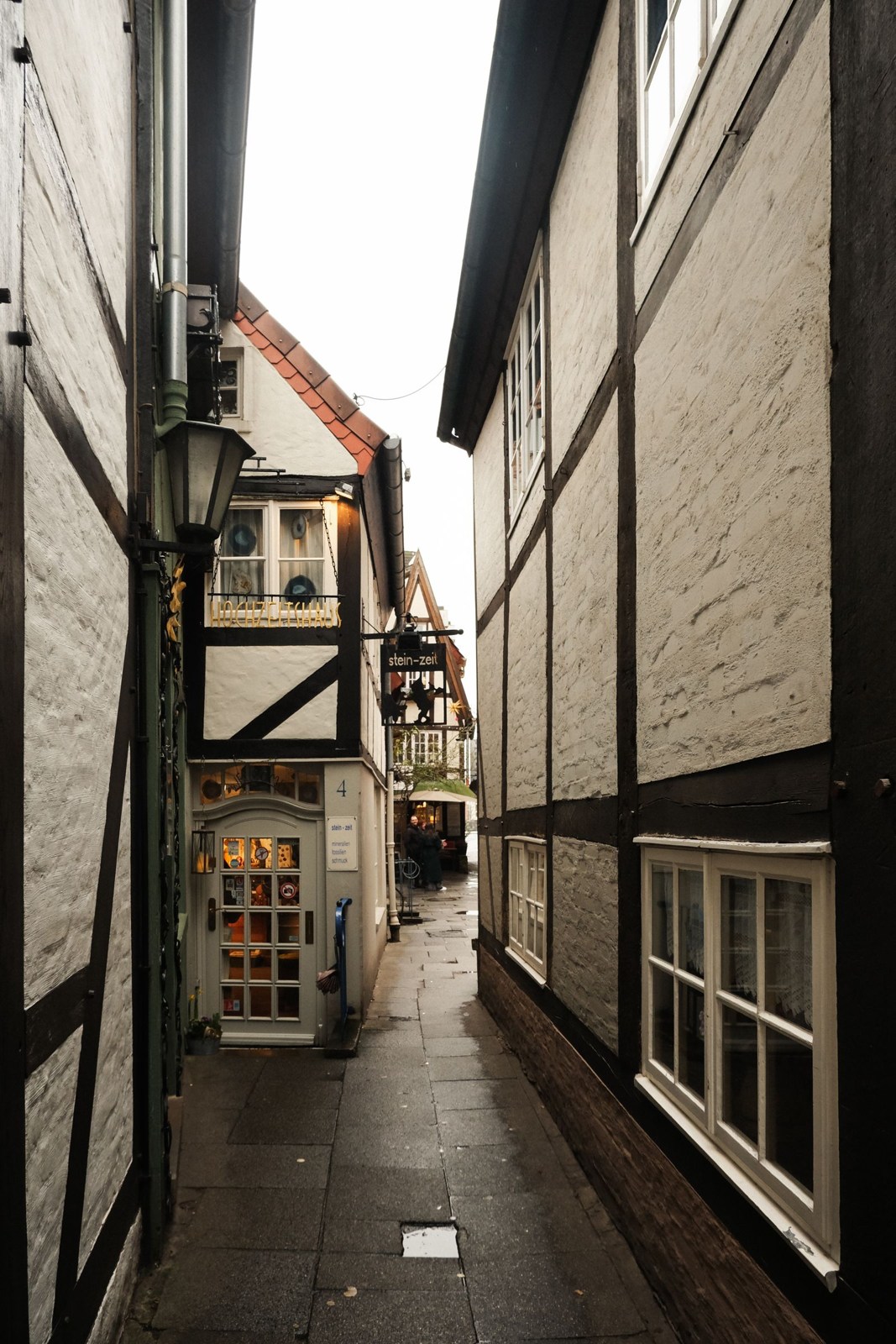
Bremen: walking between the old town and Viertel
Bremen's market square and Schnoor fit naturally into one walk. The Viertel to the east then deserves some unstructured time, so the connection becomes more than a route to the next restaurant.
Germany
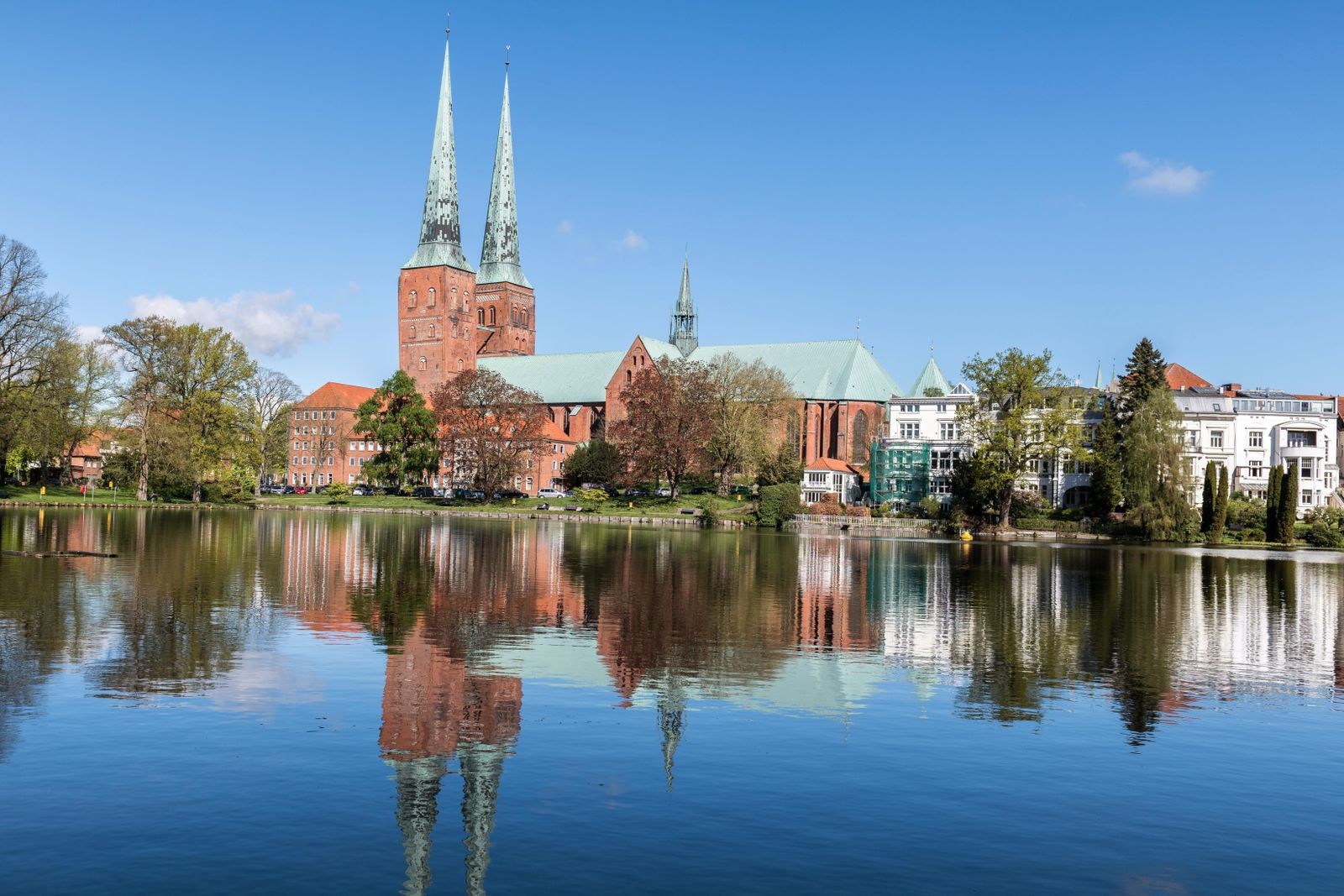
Lübeck: pacing a visit to the island old town
Water surrounds Lübeck's old town. Its island shape makes orientation easier, but can tempt visitors into a complete circuit that is not necessarily the best first route.
Germany
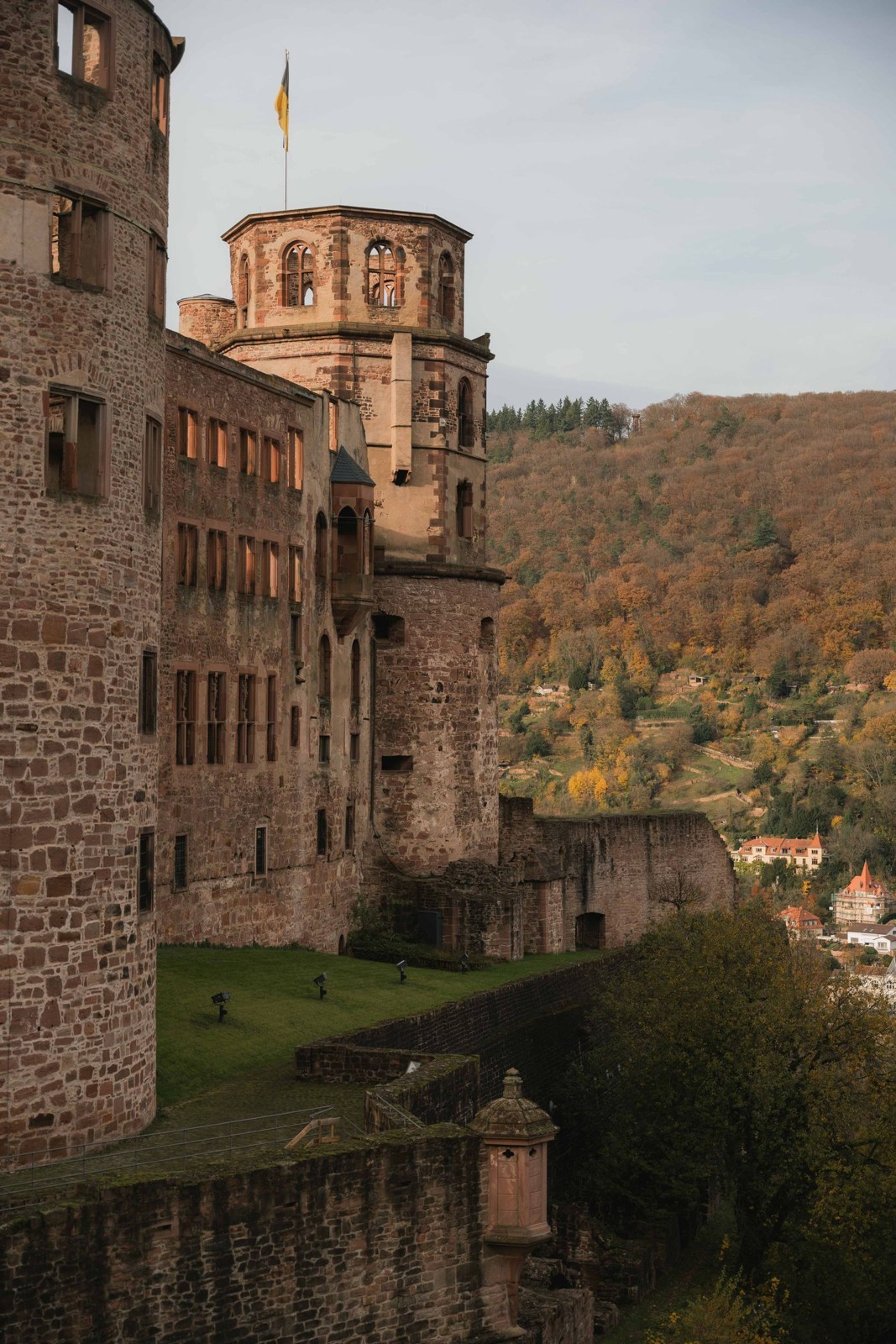
Heidelberg: choosing a castle climb or Neckar walk
Heidelberg Castle and the Philosophenweg stand above the town on different sides of the Neckar. With limited time, avoid automatically combining both climbs with a complete old-town circuit.
Germany
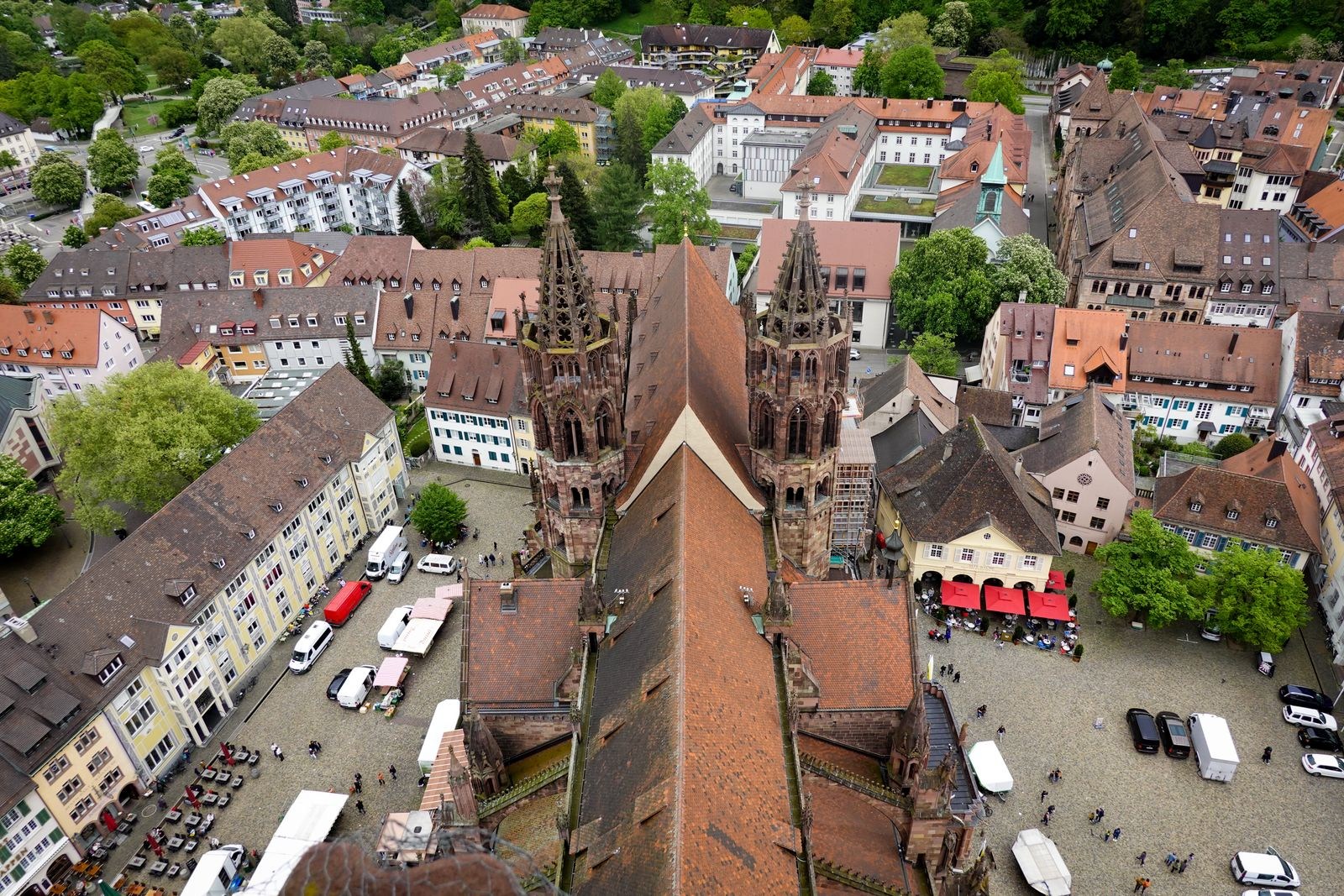
Freiburg: using the old town as a base
Freiburg's old town can serve as a base for a city stay with short excursions into green surroundings. You do not have to plan a deep journey into the Black Forest to achieve that balance.
Germany
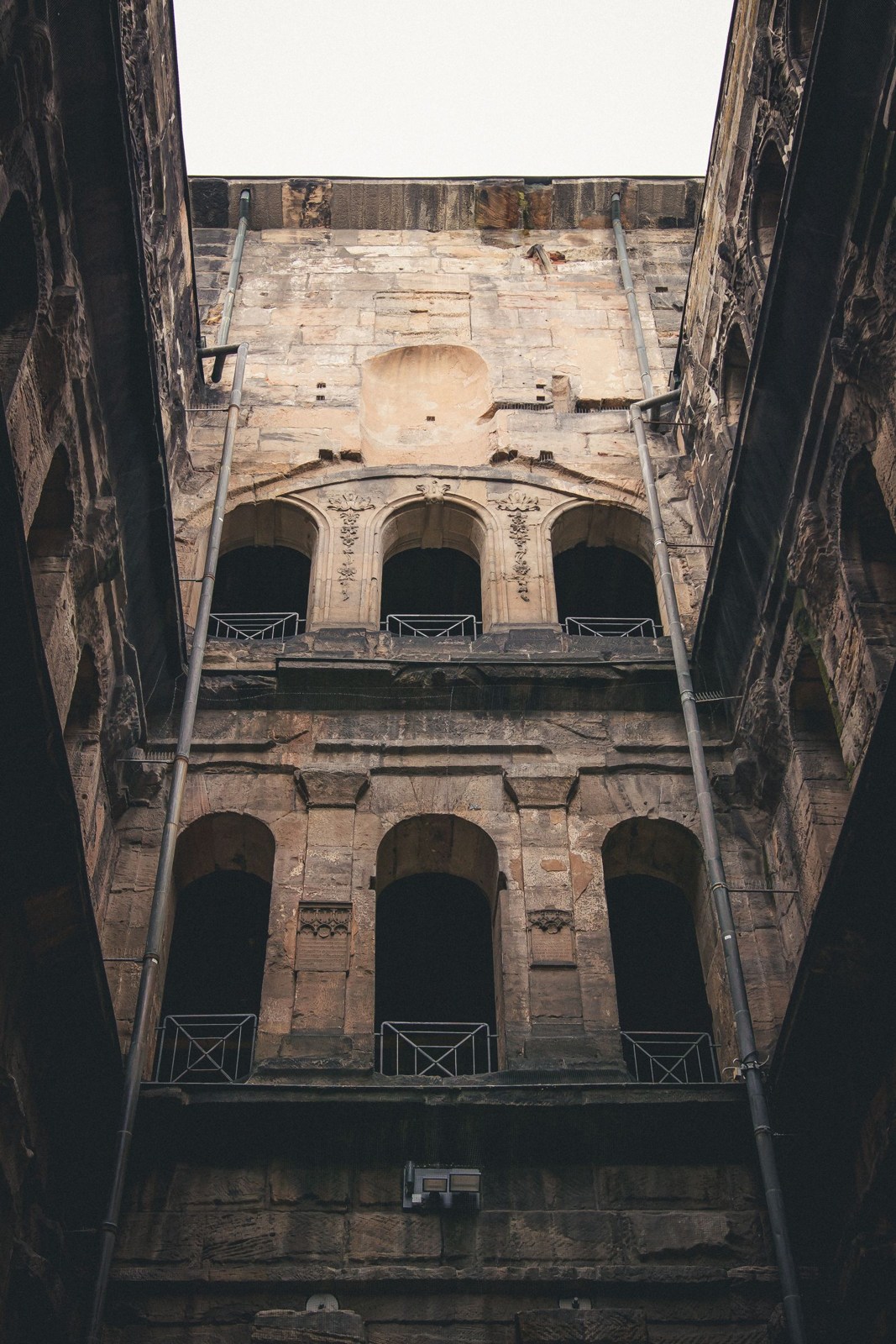
Trier: grouping Roman landmarks into a route
Trier's Roman structures make more sense when considered as different functions of a city. A route should connect monuments while leaving enough time to understand their differences.
Germany
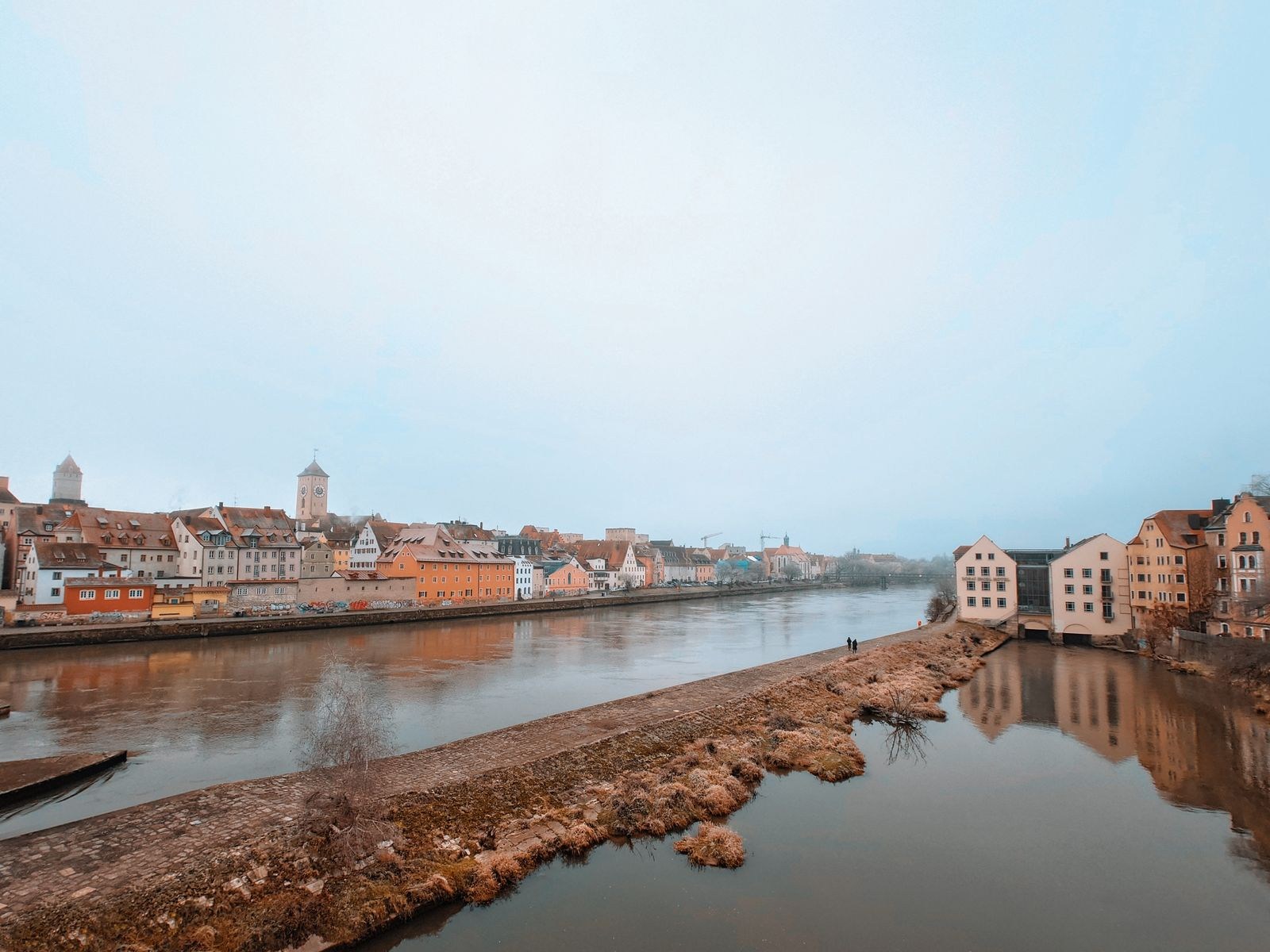
Regensburg: linking the old town and Danube banks
Regensburg's Stone Bridge is more than a photographic subject: it connects the old town, Danube and Stadtamhof. That relationship can shape an entire short stay.
Germany
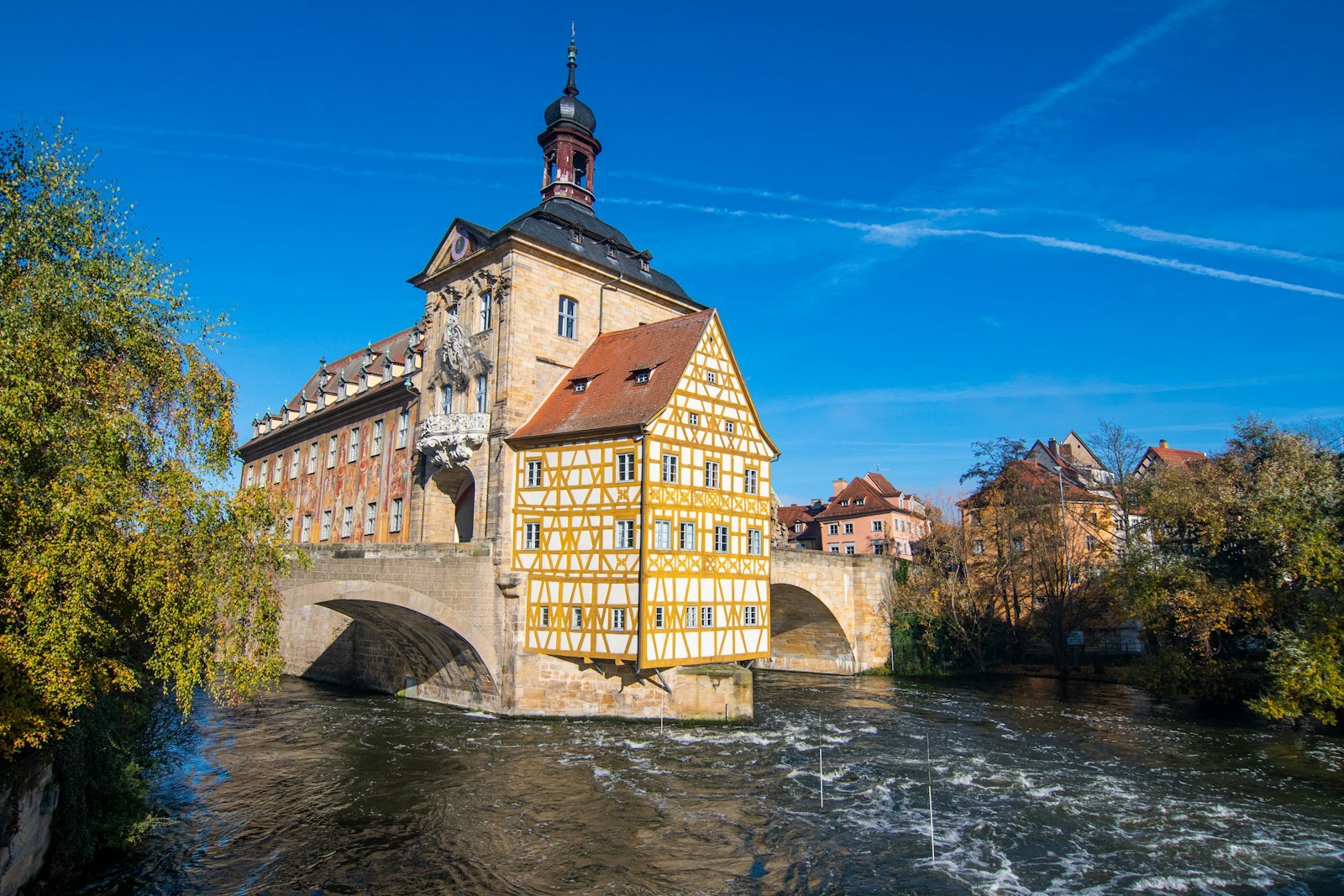
Bamberg: allowing time between the hills
Bamberg is compact, but it is not flat. Divide the routes between the island town and cathedral hill by changes in elevation rather than distances alone.
Germany
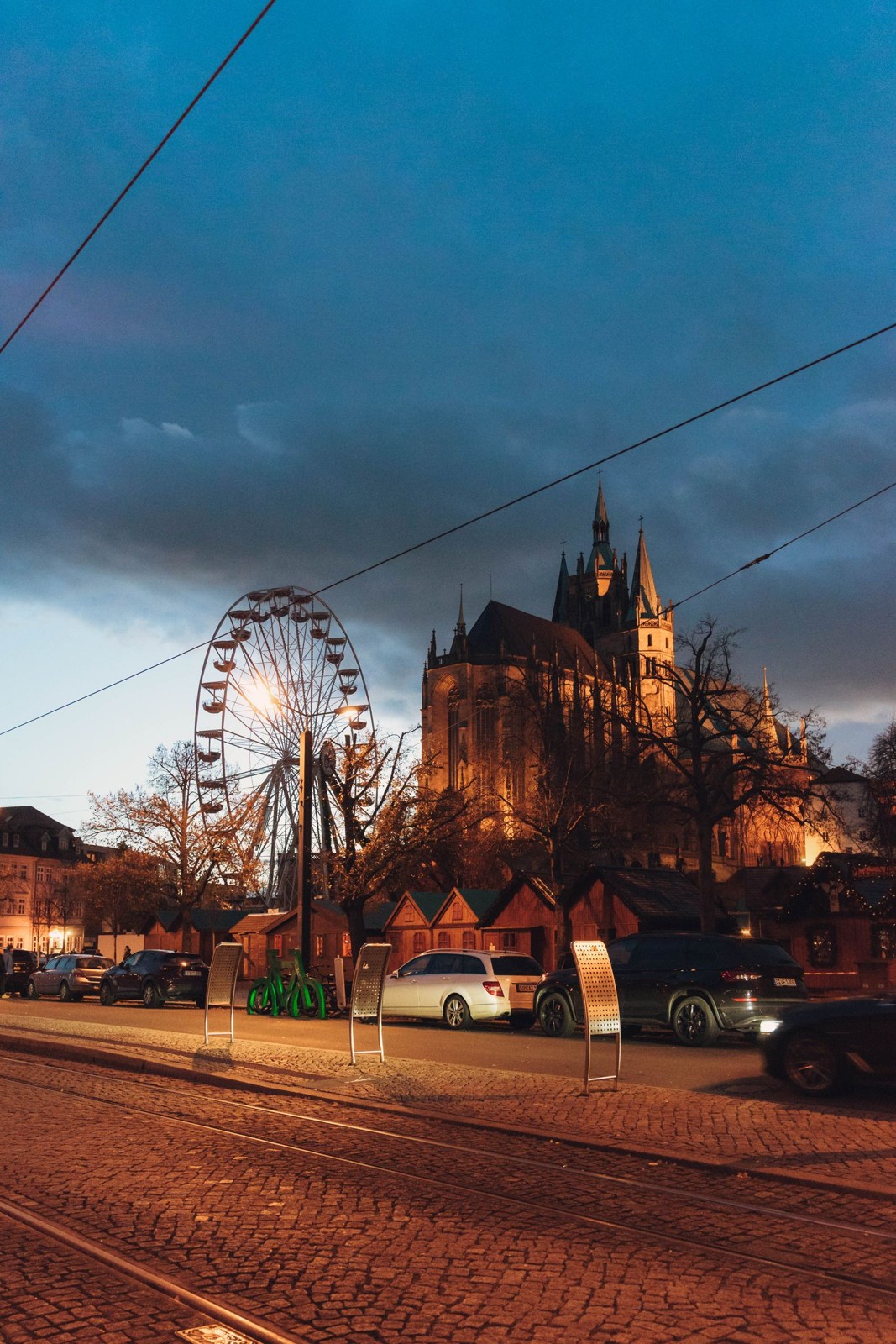
Erfurt: pacing the Krämerbrücke and cathedral square
Erfurt's Merchants' Bridge and Cathedral Square offer very different urban spaces. For a short stay, a small loop with deliberate pauses often works better than a strict timetable of sights.
Germany
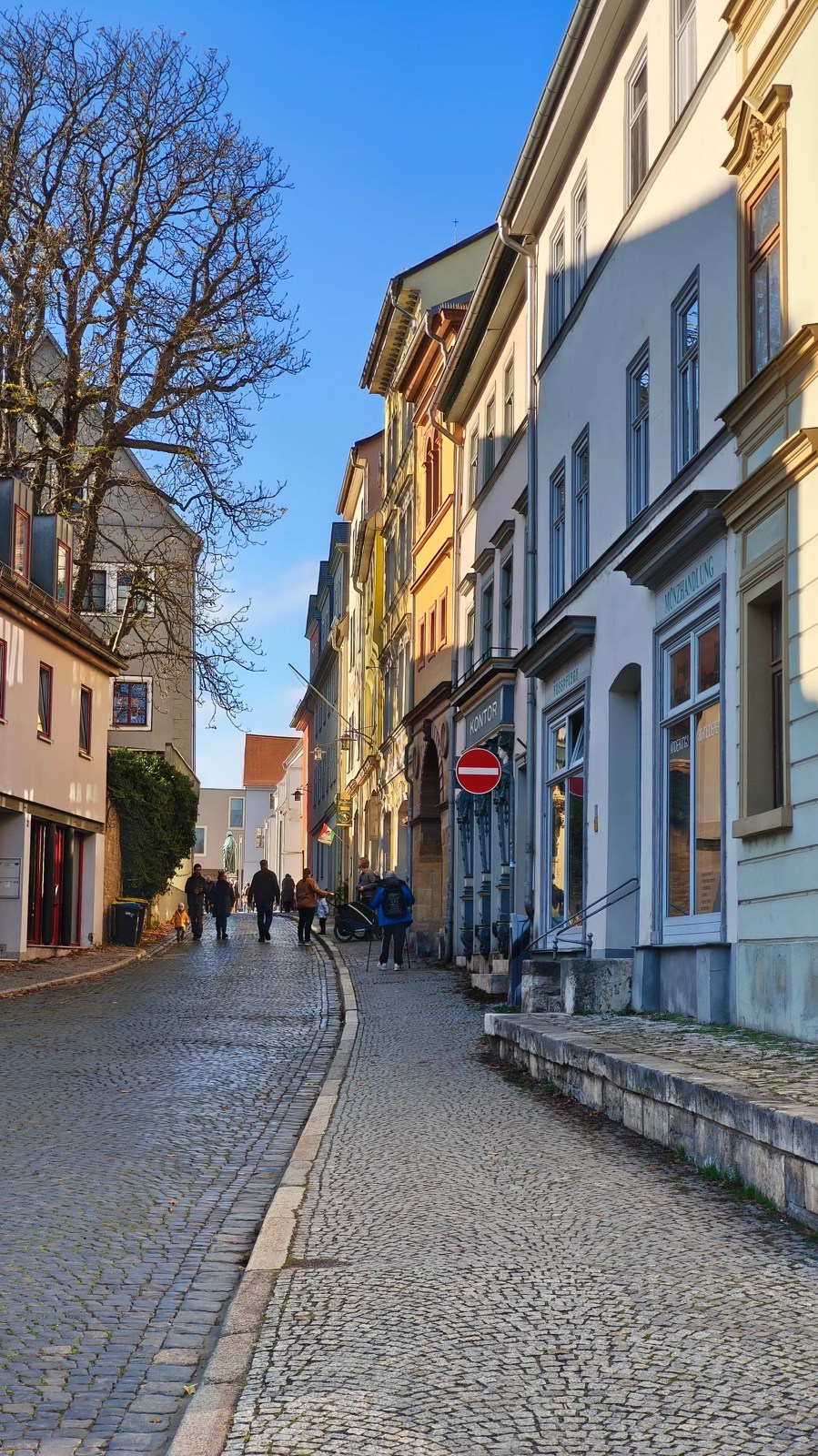
Weimar: choosing cultural stops for a short stay
Weimar's short distances can hide how much attention its cultural sites require. For a first stay, choosing between literary history, the Bauhaus and a more park-oriented visit helps keep the experience coherent.
Germany
Potsdam: balancing park time and town time
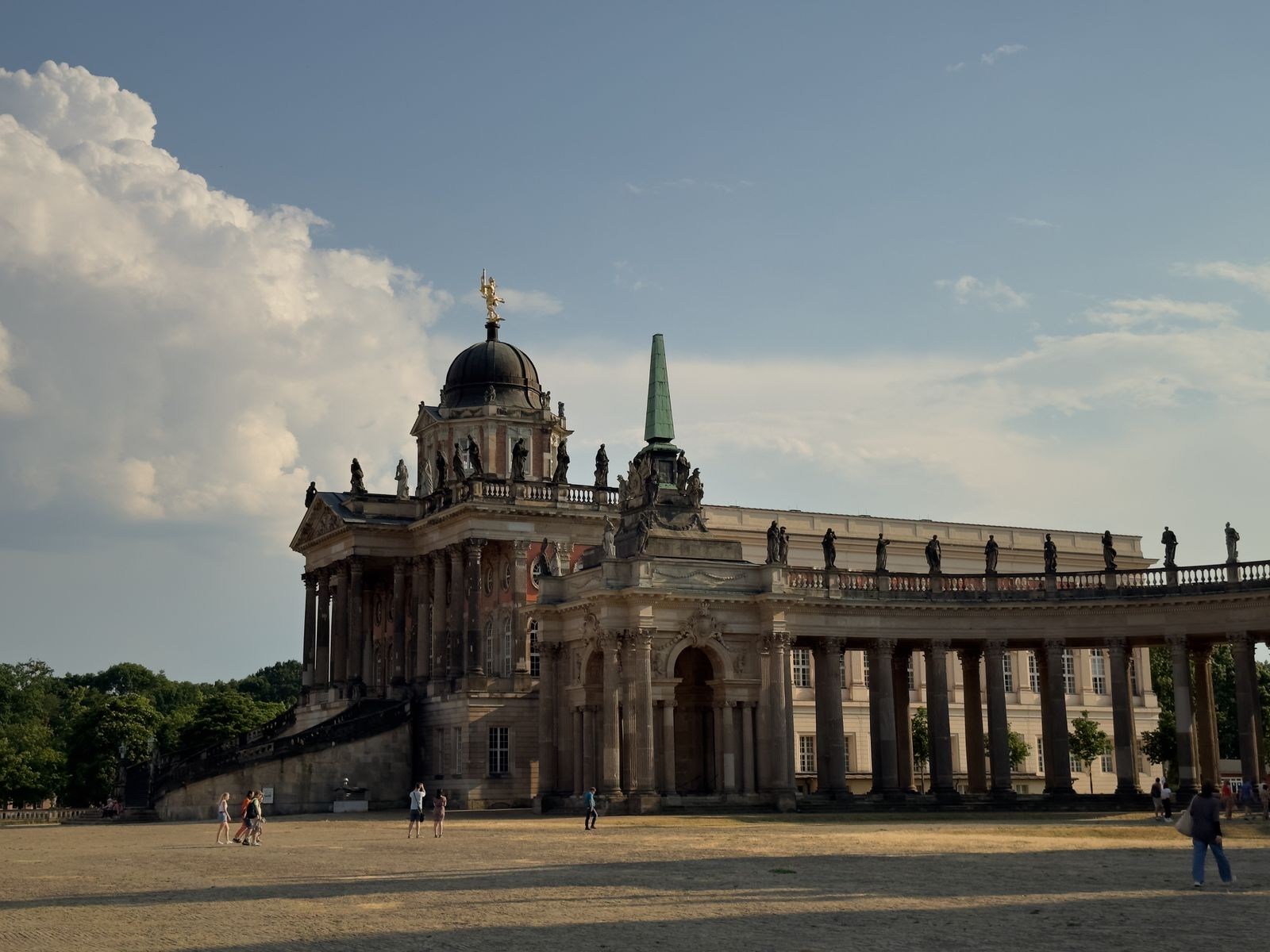
Sanssouci is an extensive park containing several buildings, not simply a palace with a short garden path. If you also want to see central Potsdam, make a clear selection.
Germany
Schwerin: planning around the castle and lakes
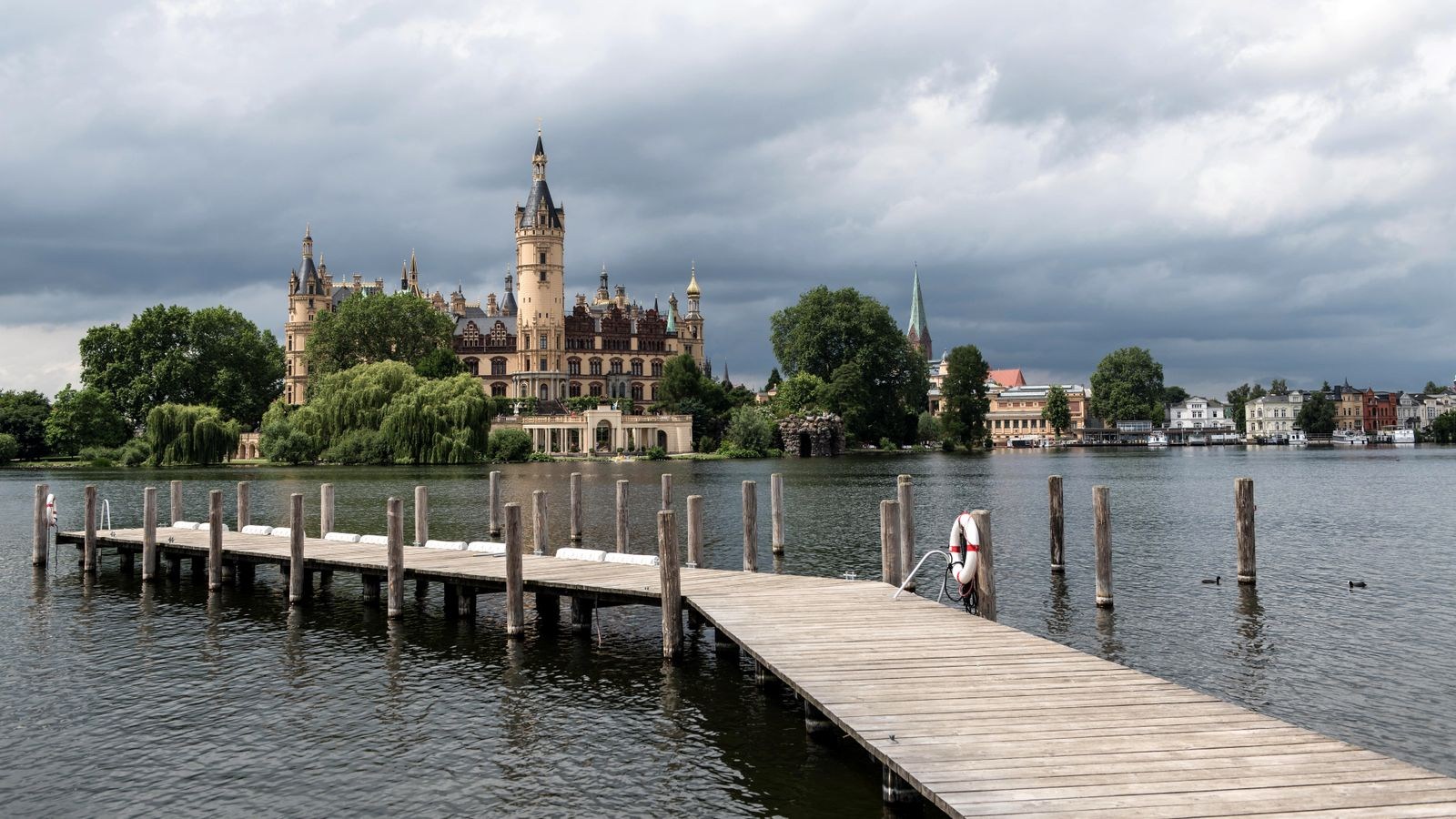
Schwerin's castle occupies an island, but a visit involves more than the familiar view across the water. Its rooms, gardens and the city's lakeside paths can receive different shares of your time.
Germany
Rostock and Warnemünde: combining town and coast
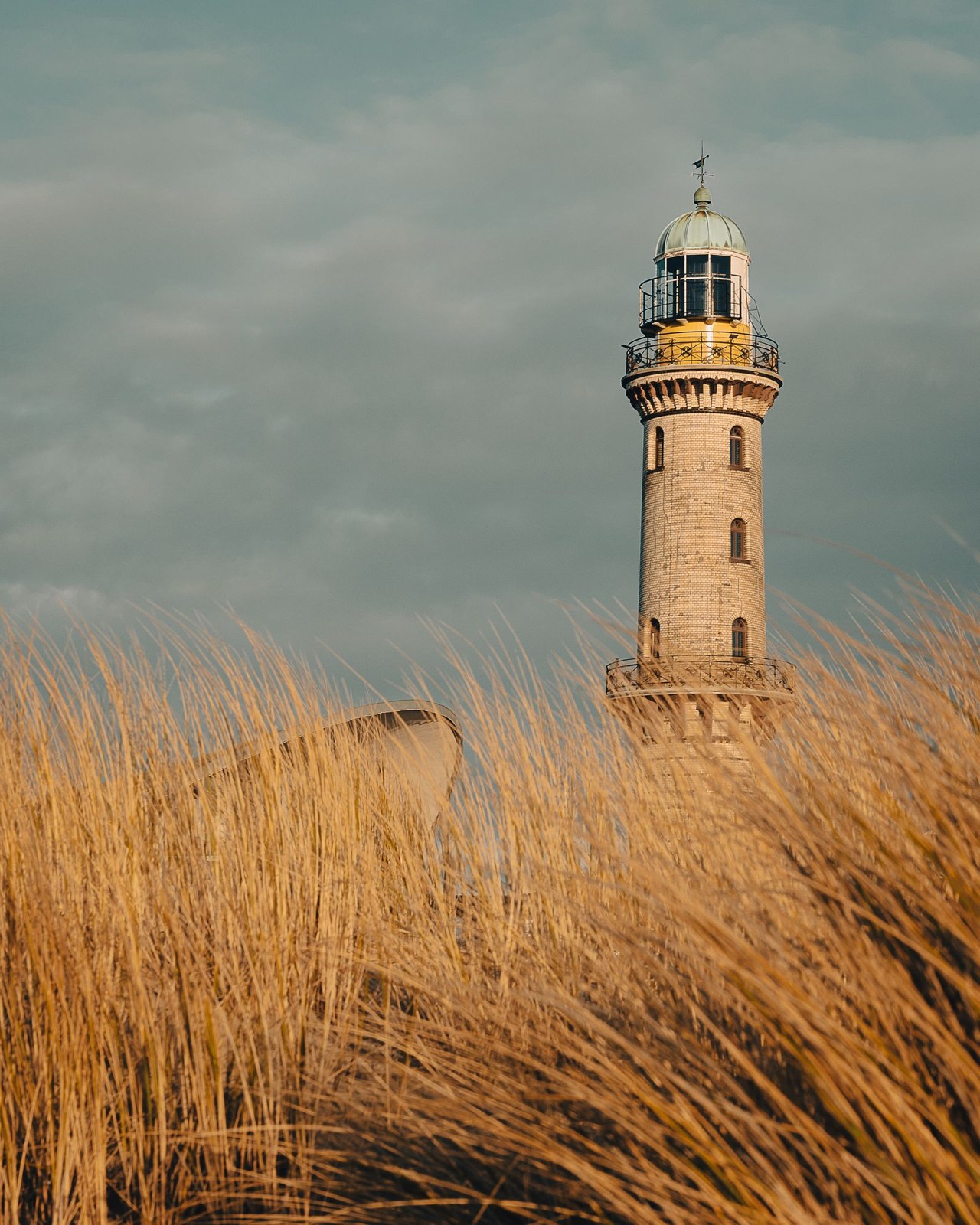
Central Rostock and the Warnemünde coast can belong to the same trip, but they are not one continuous walk. Giving each its own block makes the combination straightforward.
Germany
Stralsund: an old-town base for a coastal stay
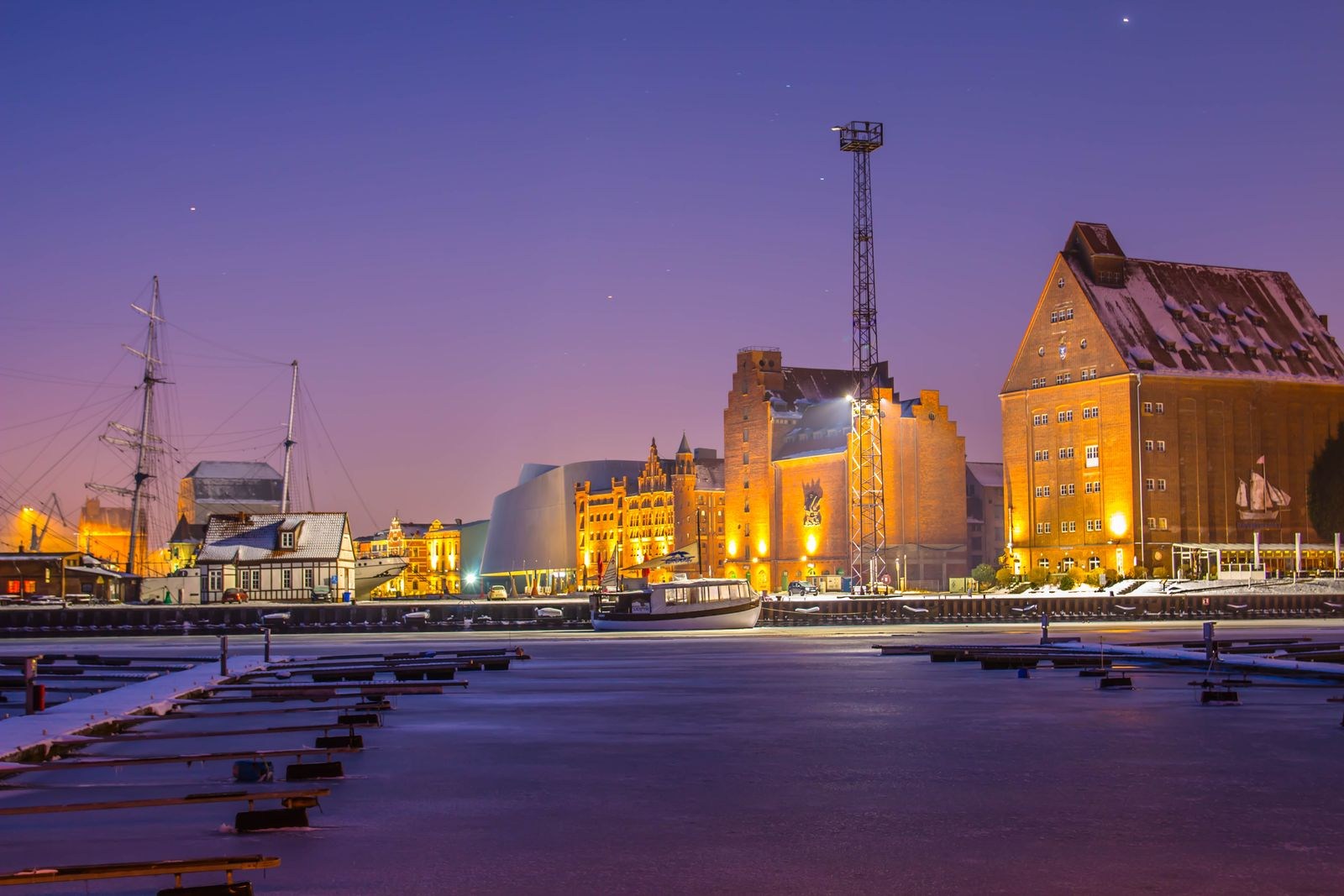
Stralsund can be a base for a coastal stay when the old town remains part of the trip. A harbour location does not mean every accommodation is directly beside a bathing beach.
Germany
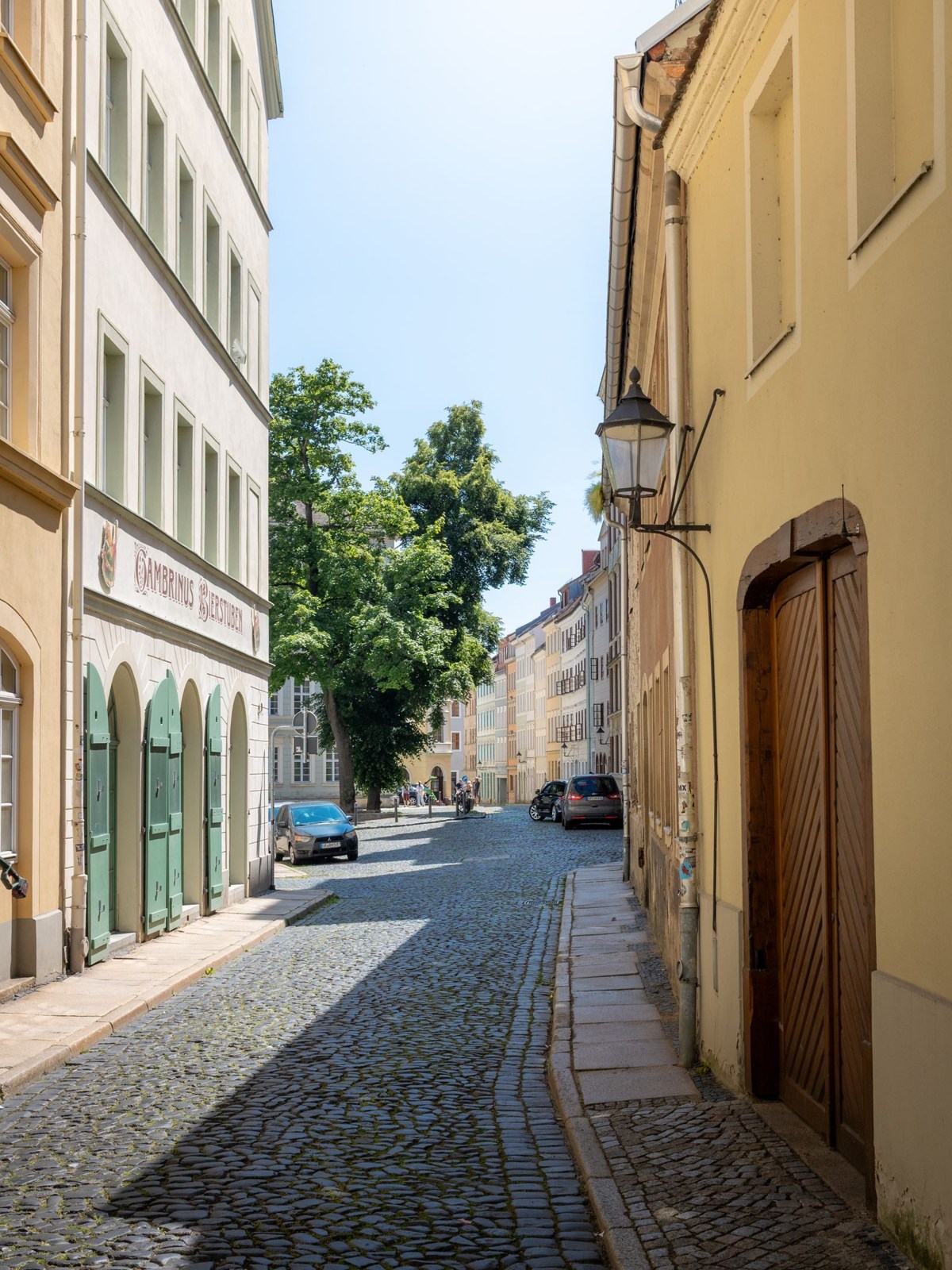
Görlitz: planning an architecture weekend
An architecture weekend in Görlitz does not require a long list of interiors. The connection between Obermarkt, Untermarkt and the Neisse already allows close comparisons of different urban spaces.
Germany
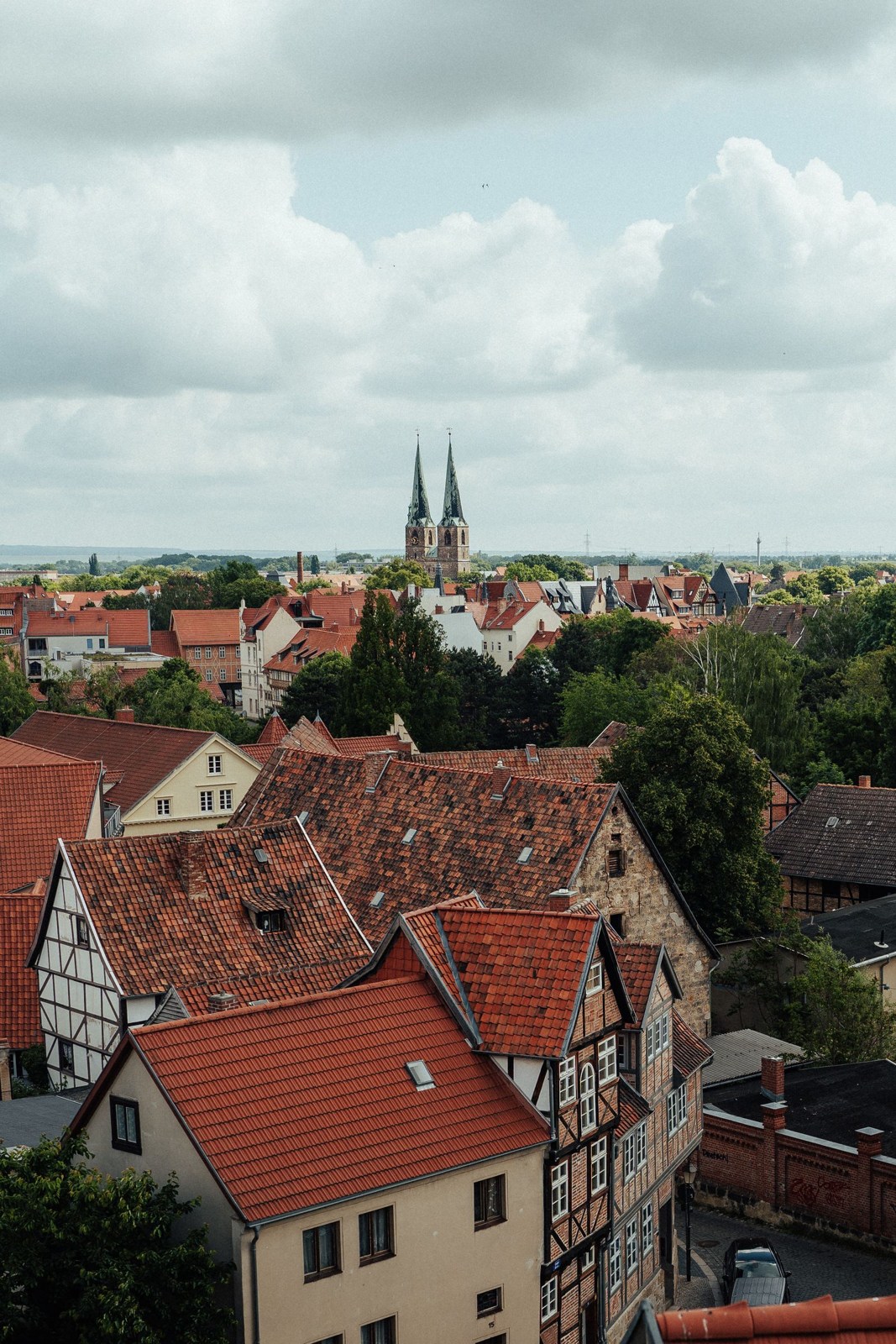
Quedlinburg: cobbles and compact walking routes
Quedlinburg's timber-framed streets invite walking, but cobbles and Stiftsberg call for a realistic route. A small circuit can offer more than a long attempt to see every house.
Germany
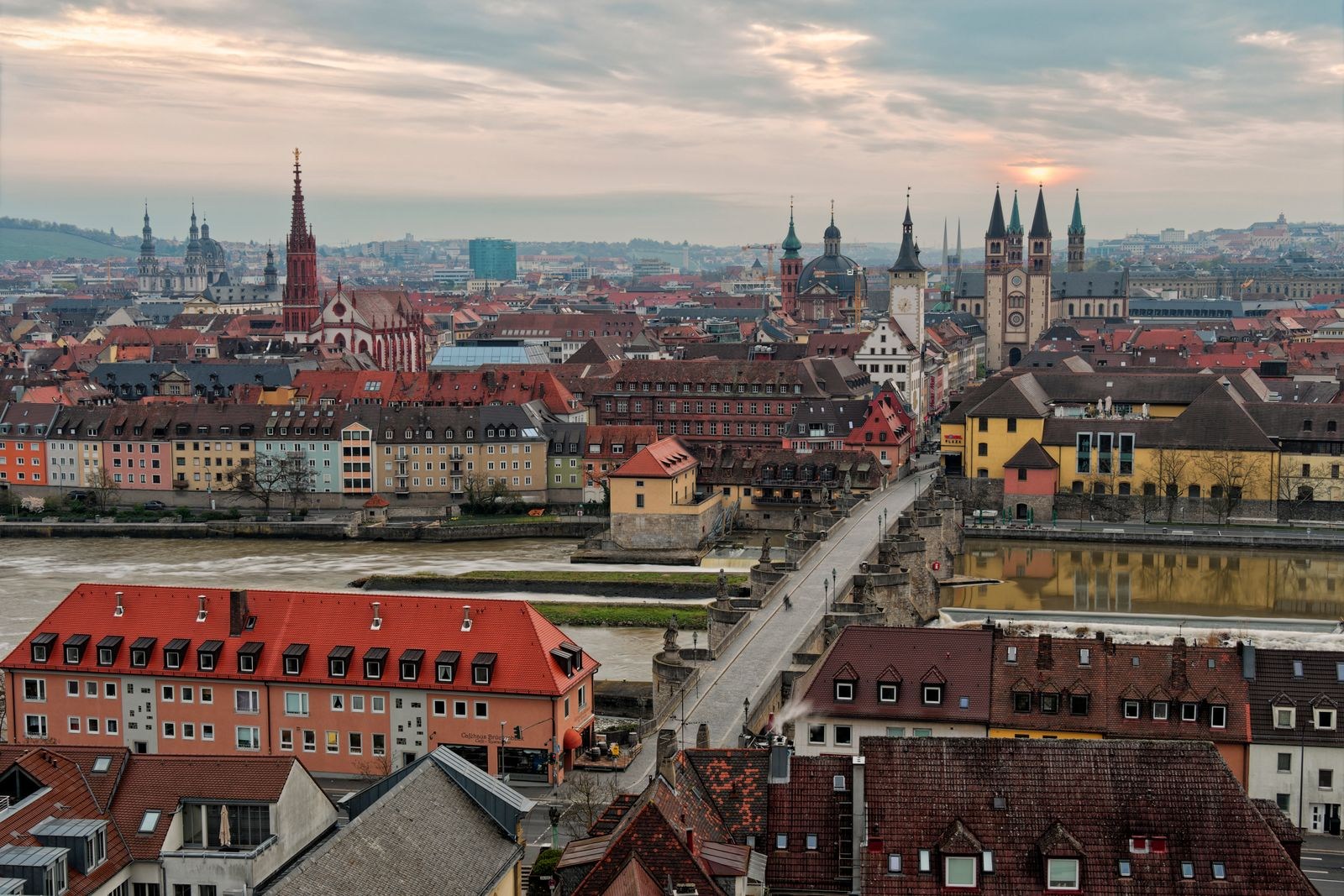
Würzburg: the Residence, Main and changes in elevation
Würzburg's Residence, Main river and Marienberg Fortress create three different parts of a day. The climb to the fortress should not become an incidental addition after a long interior visit.
Germany
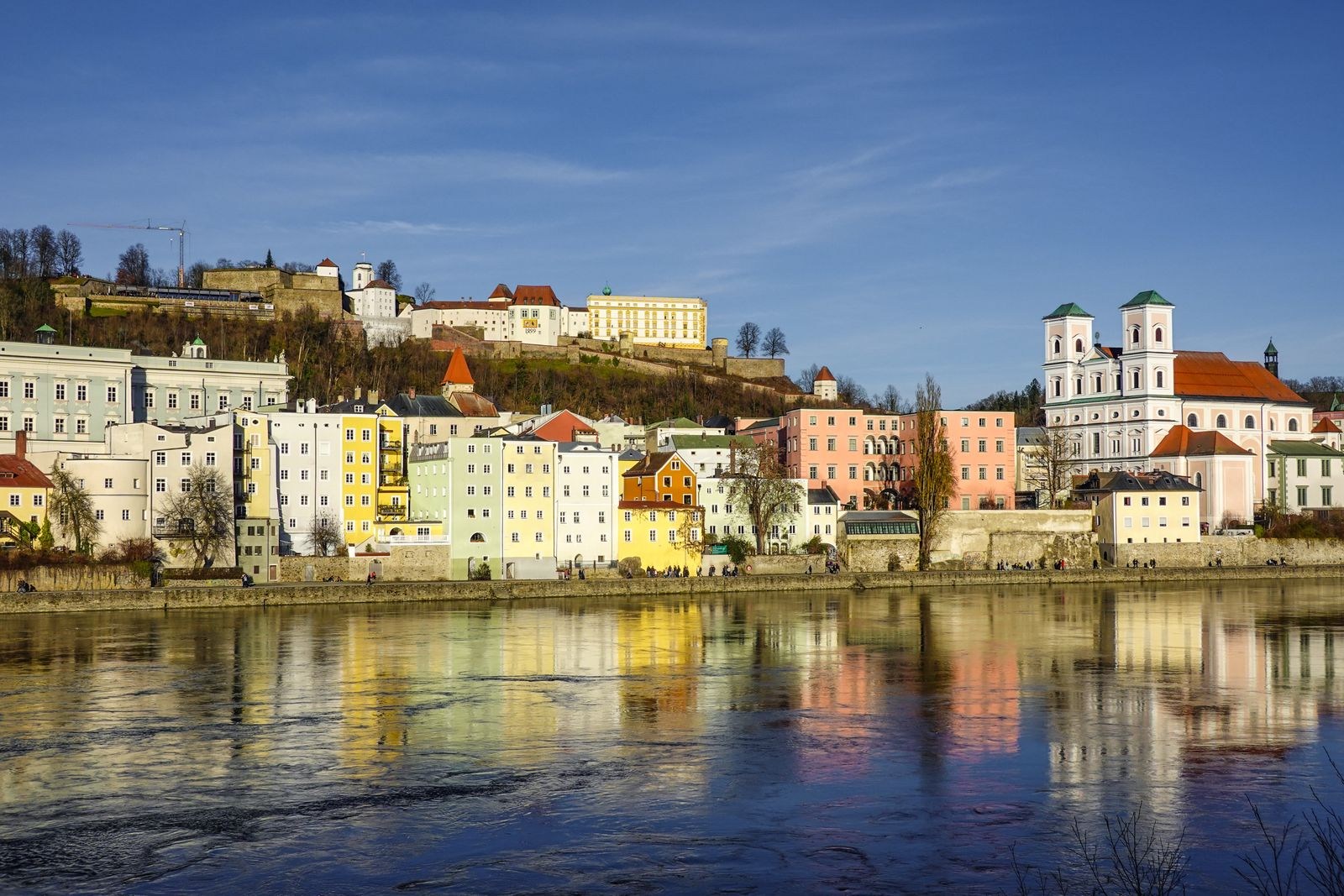
Passau: three rivers without a rushed itinerary
The meeting of the Danube, Inn and Ilz gives Passau's old town a clear setting. For an unhurried visit, understand that geography and choose one additional focus.
Germany
Konstanz: pairing the town with Lake Constance
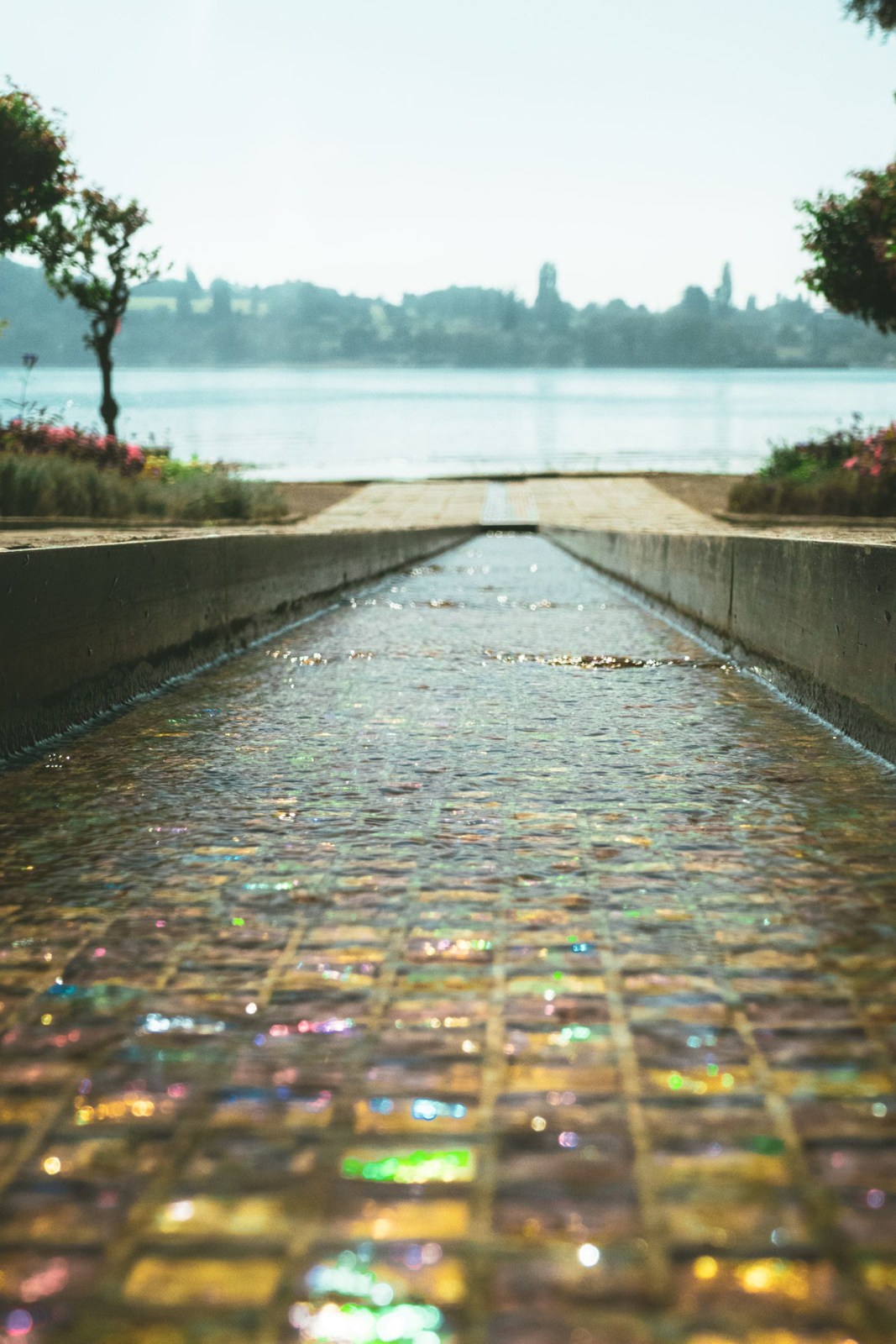
Konstanz connects its old town directly with Lake Constance. That proximity can encourage ambitious excursion plans, although a town loop and a longer waterside interval can already fill a day.
Germany
Essen: making industrial heritage the focus
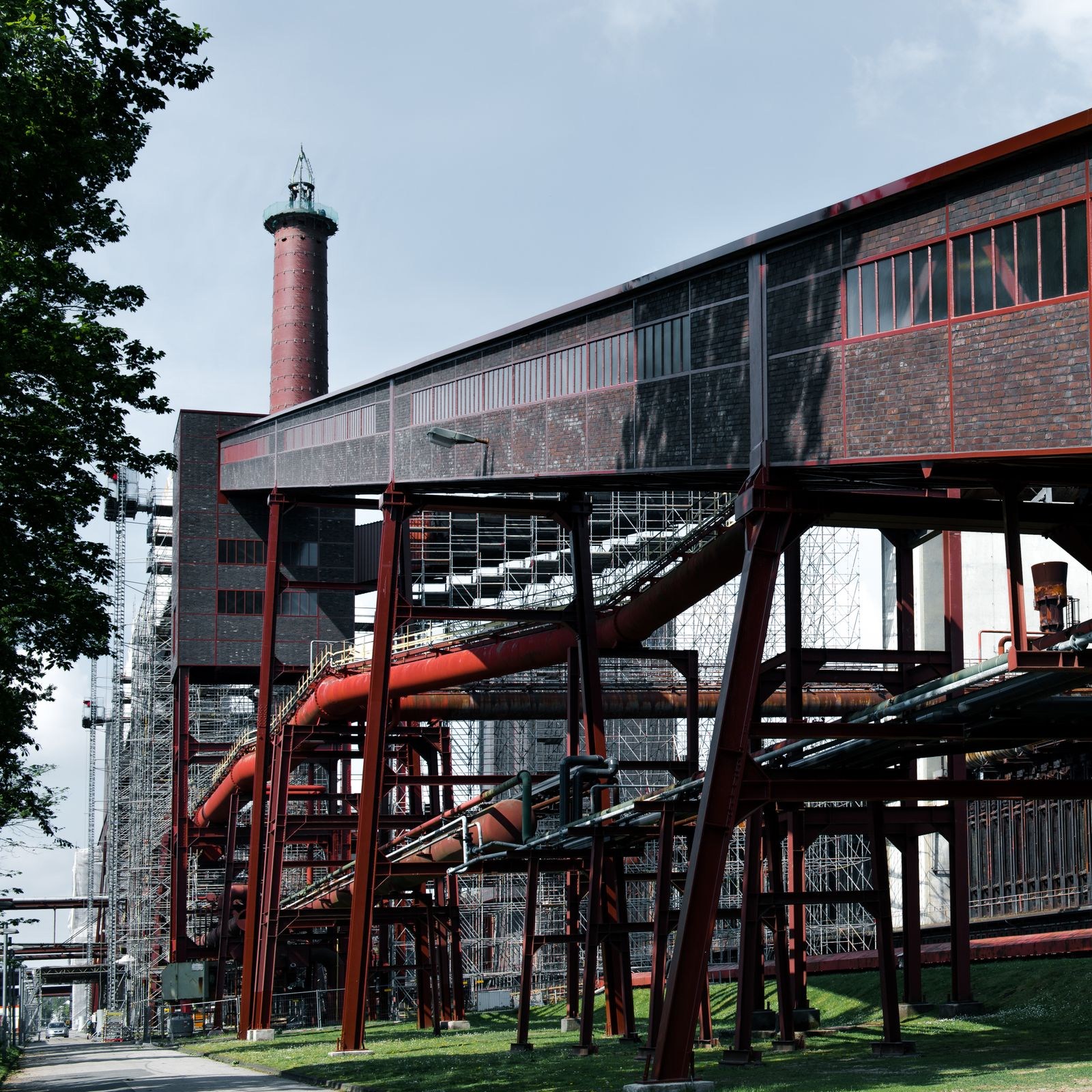
For a weekend focused on industrial history, Zollverein is a substantial destination in its own right. It should not be treated as a quick stop in an otherwise crowded Essen itinerary.
Germany
Düsseldorf: the Rhine promenade and Japanese quarter
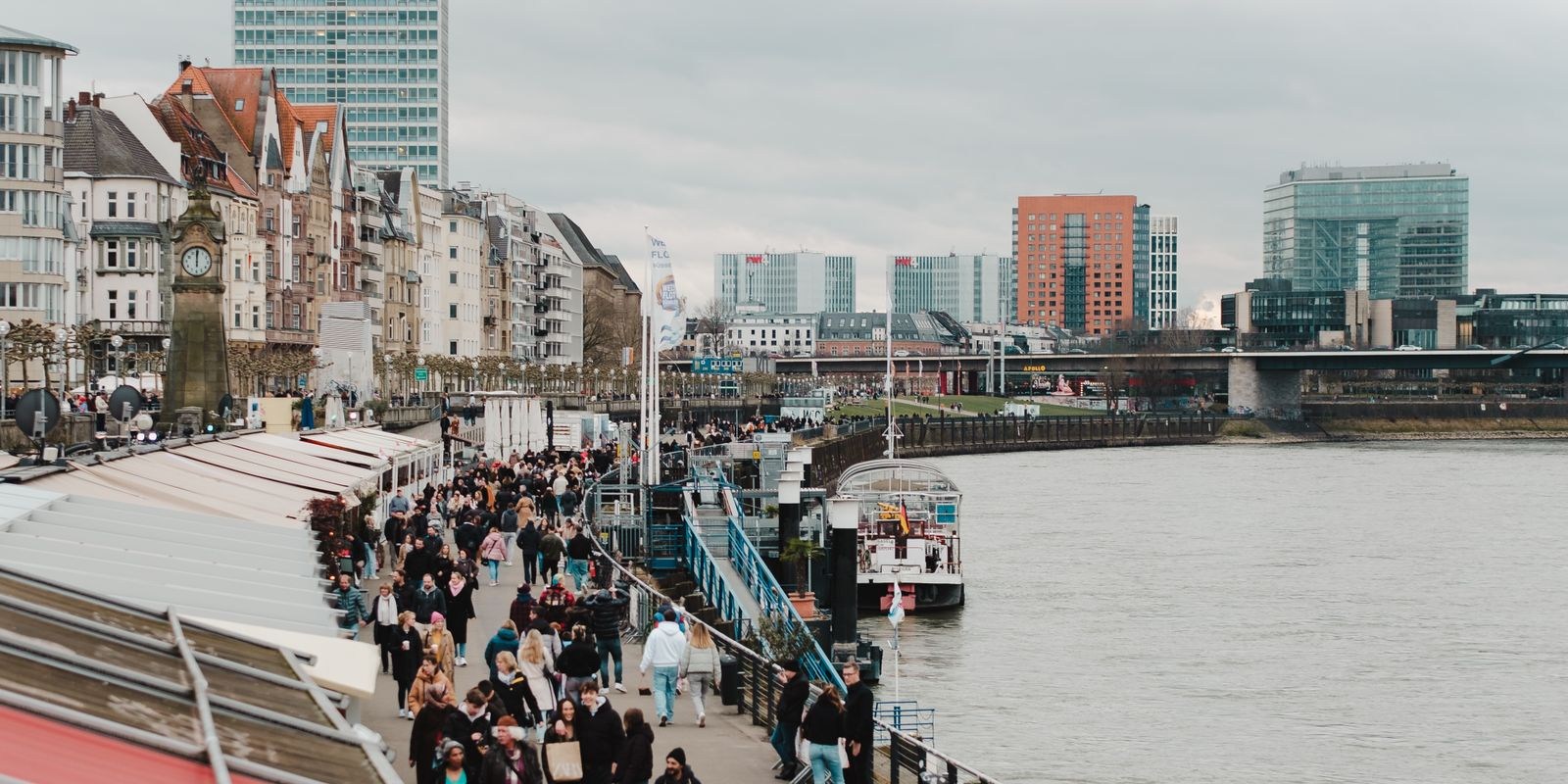
Düsseldorf's Rhine waterfront and Little Tokyo create a weekend of contrasting scales: open river space on one side, individual shops and food addresses on the other.
Germany
Hanover: dividing time between Herrenhausen and the centre
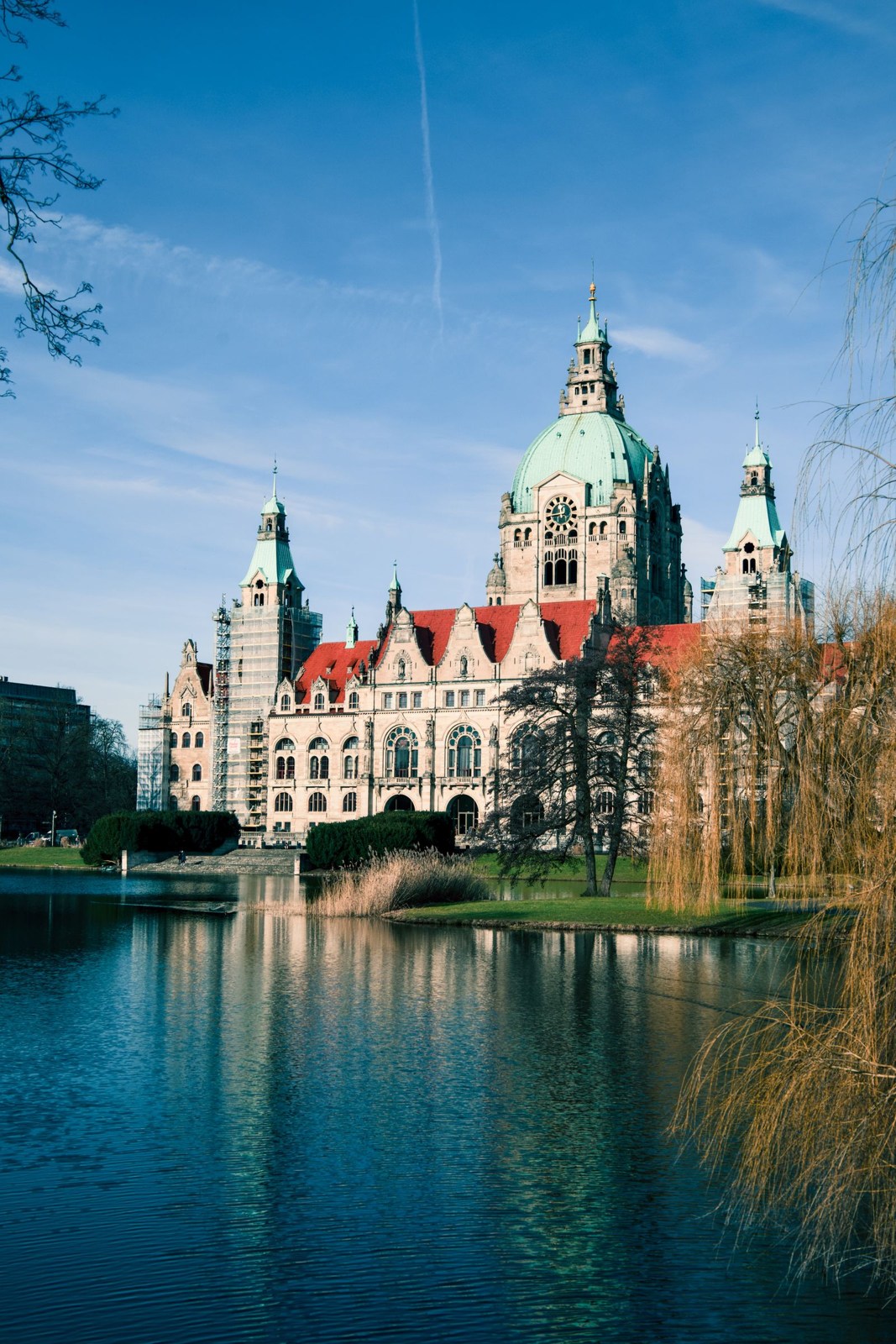
Herrenhausen lies northwest of central Hanover. Give the gardens and city centre separate parts of the day rather than linking them with a compulsory long walk.
Germany
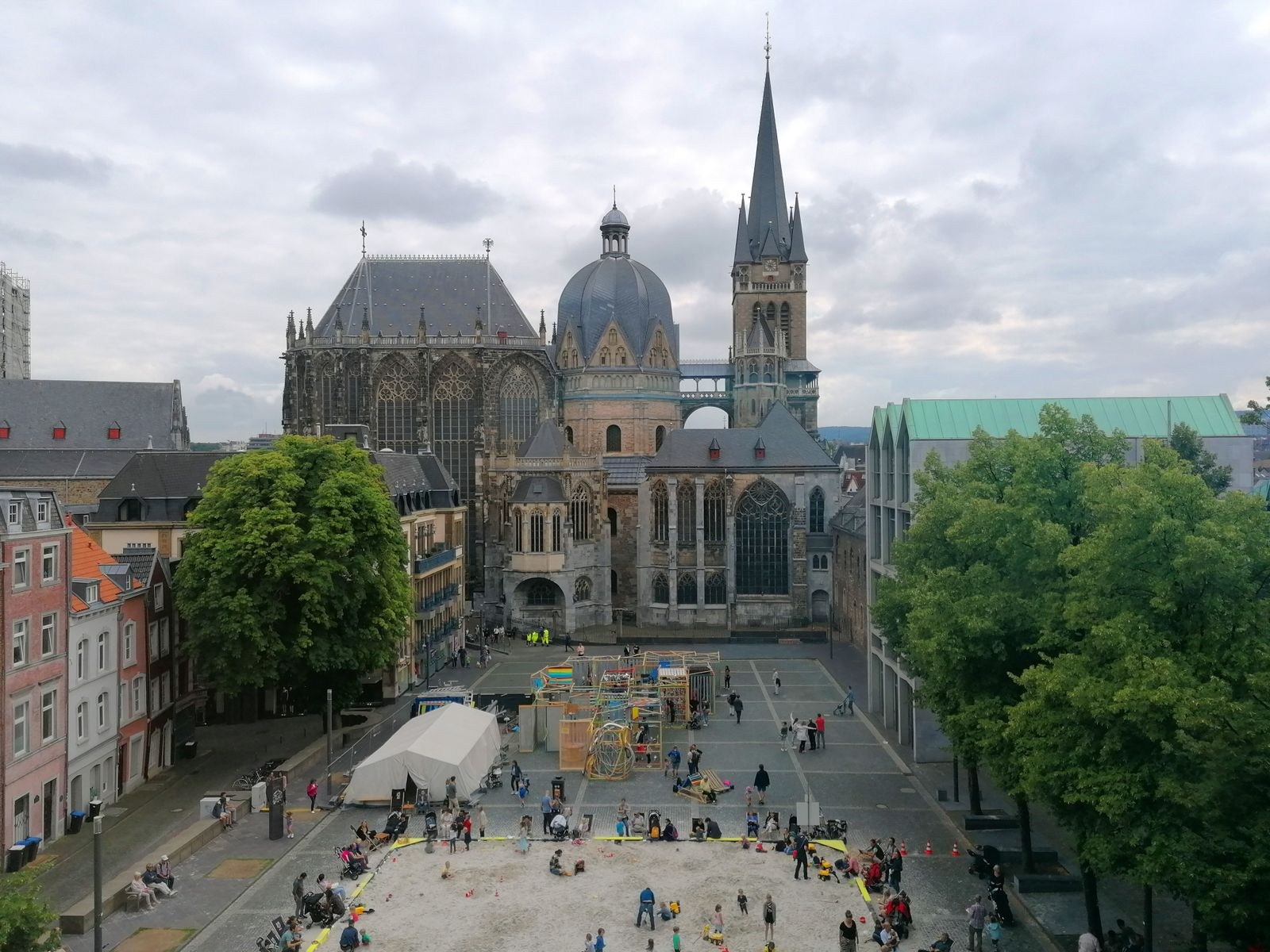
Aachen: giving an old-town visit a clear focus
Aachen's old town can be explored with a clear focus on the cathedral and its surroundings. The border setting is interesting, but a short stay need not automatically become a three-country trip.
Germany
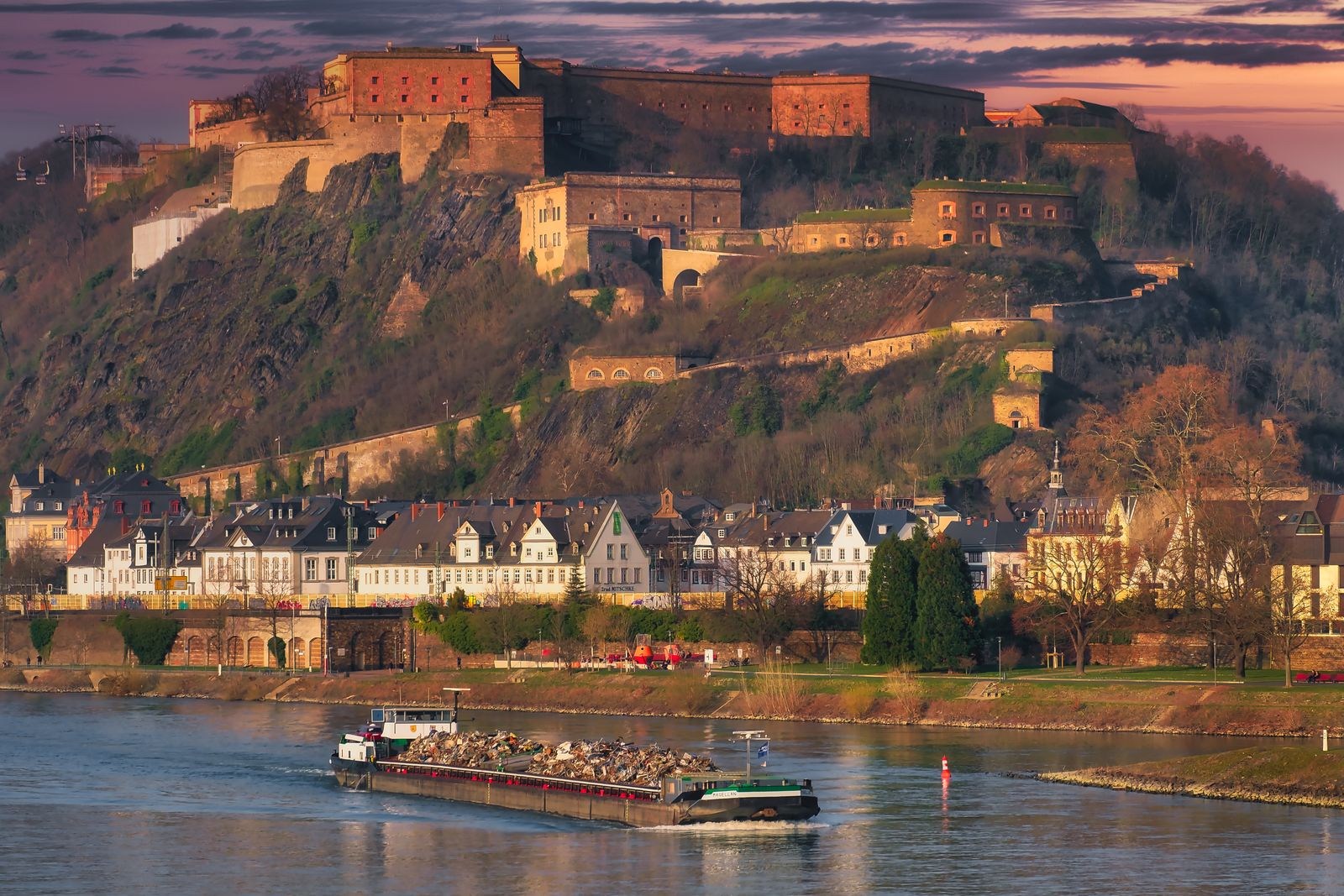
Koblenz: planning river walks and a fortress visit
In Koblenz, the Rhine and Moselle meet while Ehrenbreitstein Fortress rises across the Rhine. These three directions help organise a visit, but do not require you to cover them completely in one afternoon.
Europe
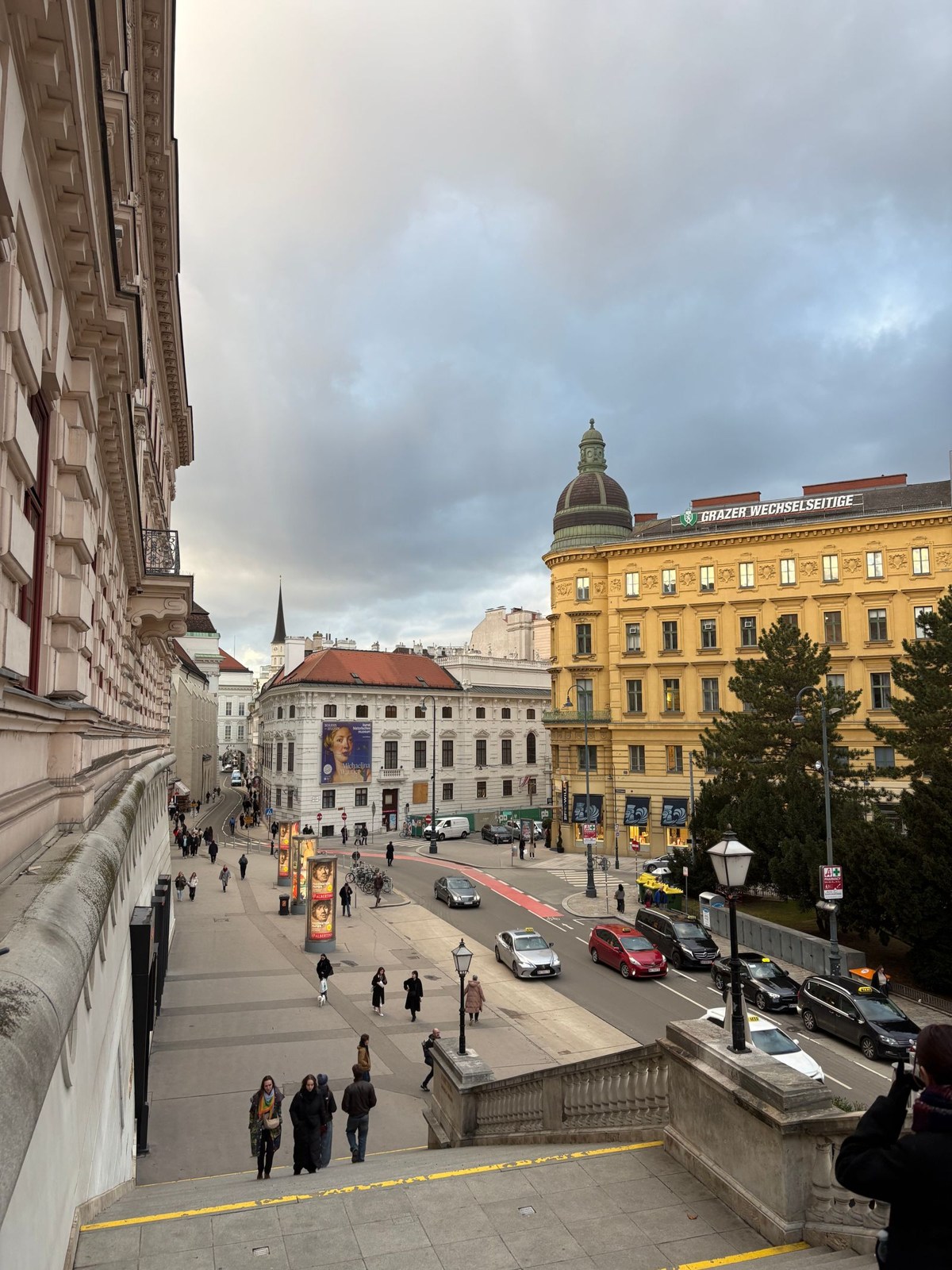
Vienna: planning a first visit by district
Vienna becomes easier to understand on a first trip when each day has a geographical focus. District numbers help orientation, but do not replace checking actual journeys and interests.
Europe
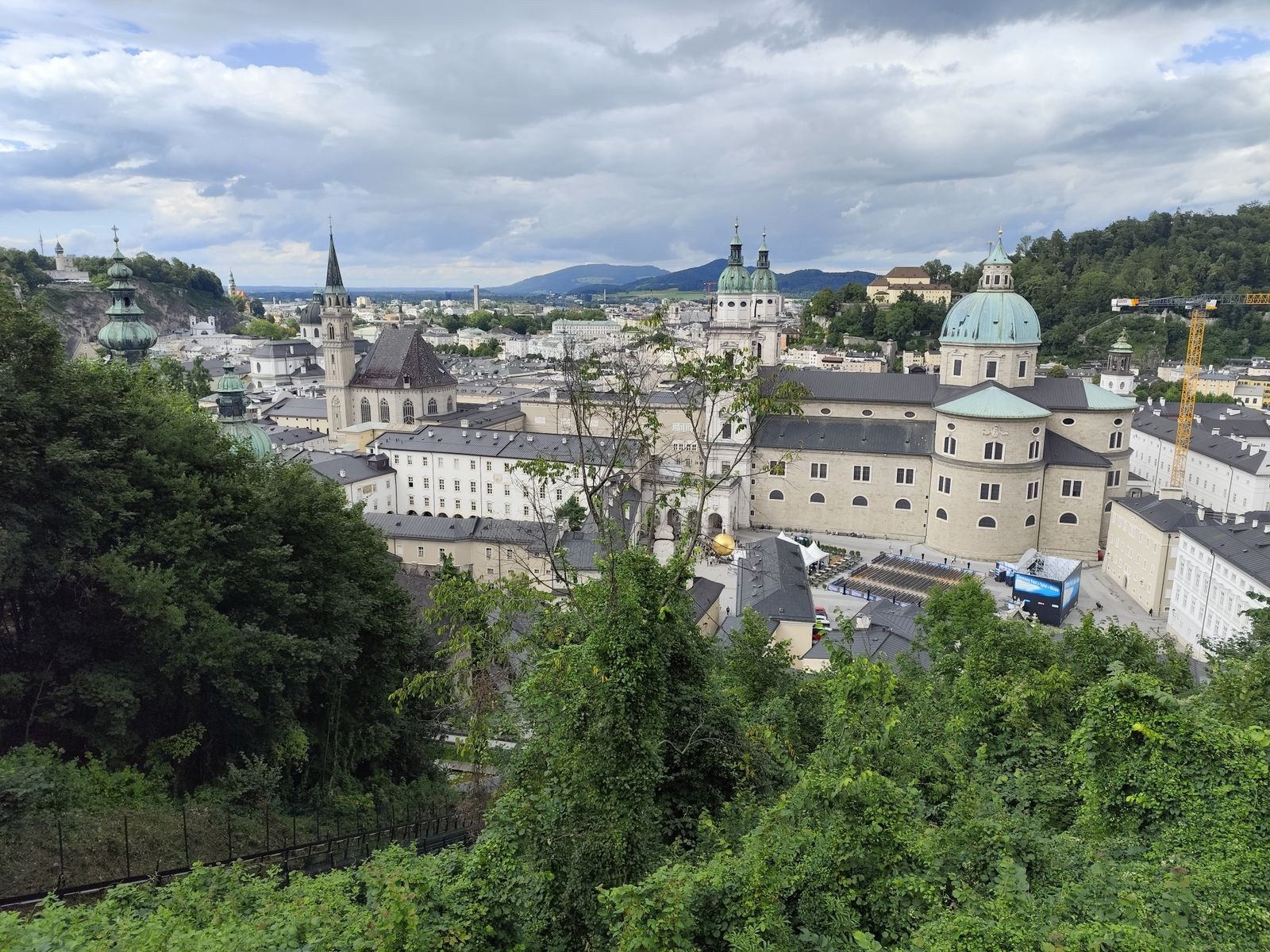
Salzburg: old-town sights and viewpoints with breaks
Salzburg's old town and viewpoints are close together but lie at different heights. Make the elevated view a deliberate part of the day rather than a reward to be hurriedly reached after everything else.
Europe
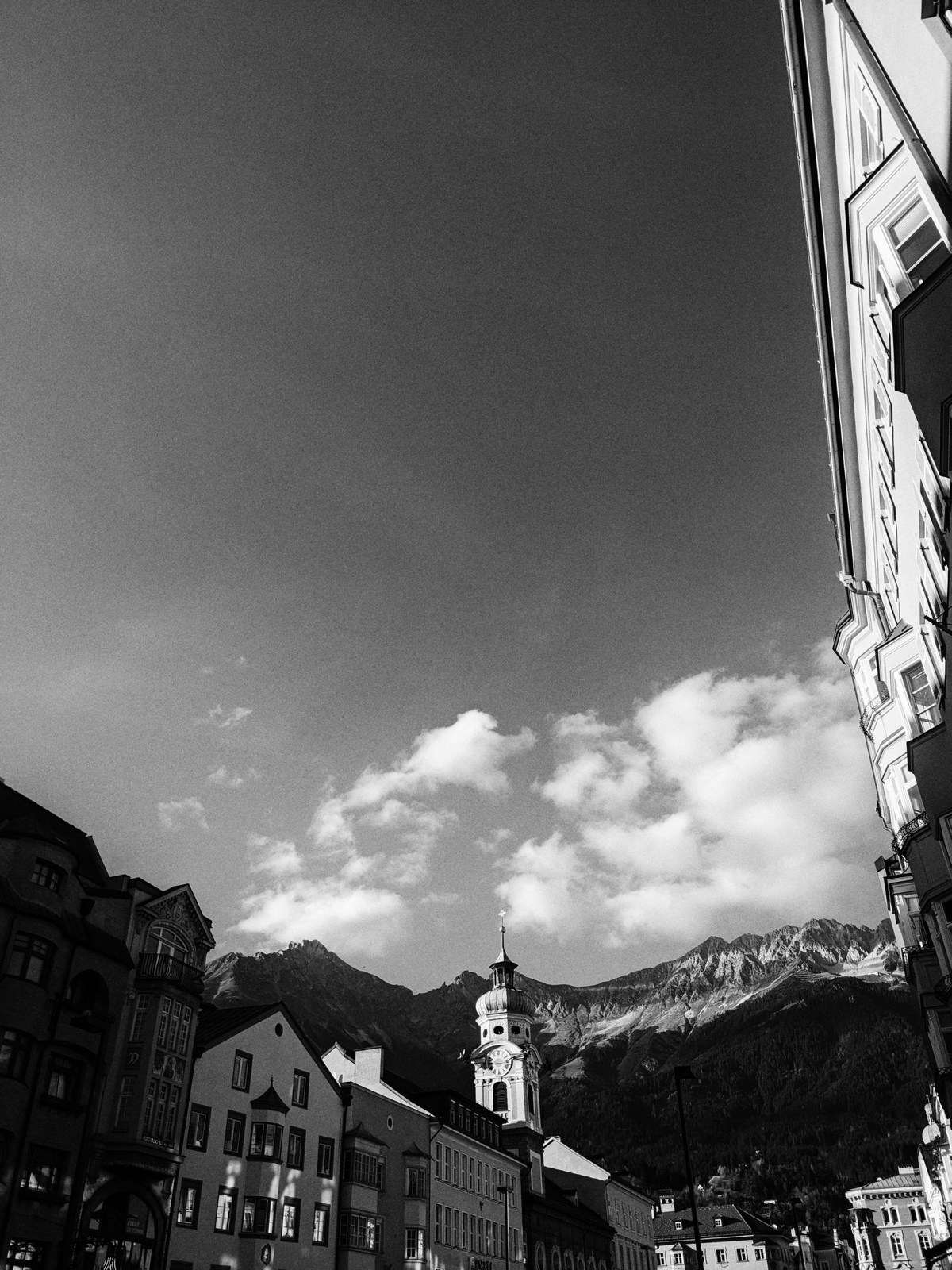
Innsbruck: a city stay without a mountain itinerary
Innsbruck works as a city break without a mountain journey every day. The old town, Inn and Hofgarten form a coherent experience of their own, particularly on a short stay.
Europe
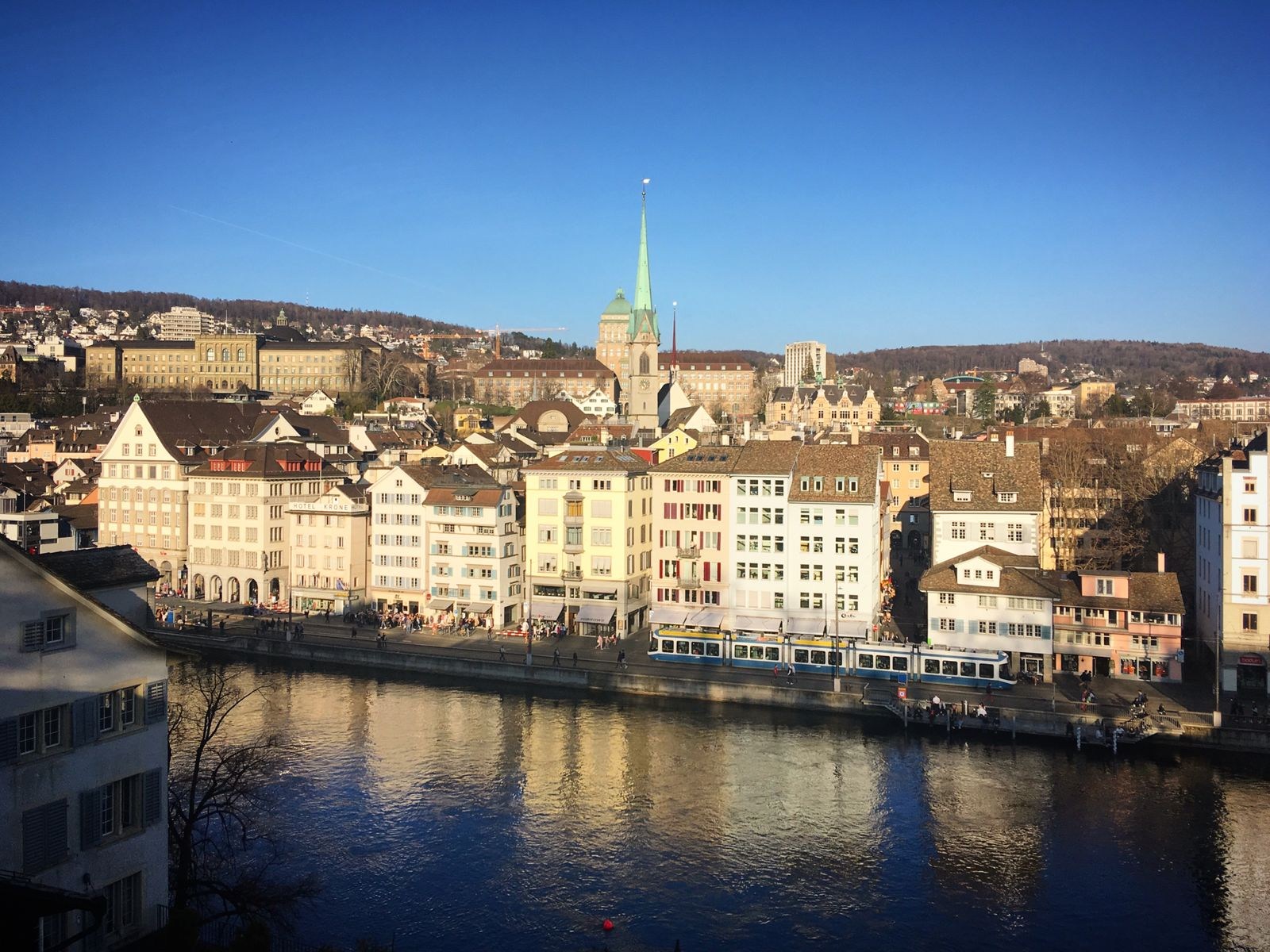
Zurich: lakeside walks, old town and where to stay
Zurich's old town, Limmat and lake meet close together. Accommodation and daily planning depend on whether you want that central connection or a longer stay beside the lake.
Europe
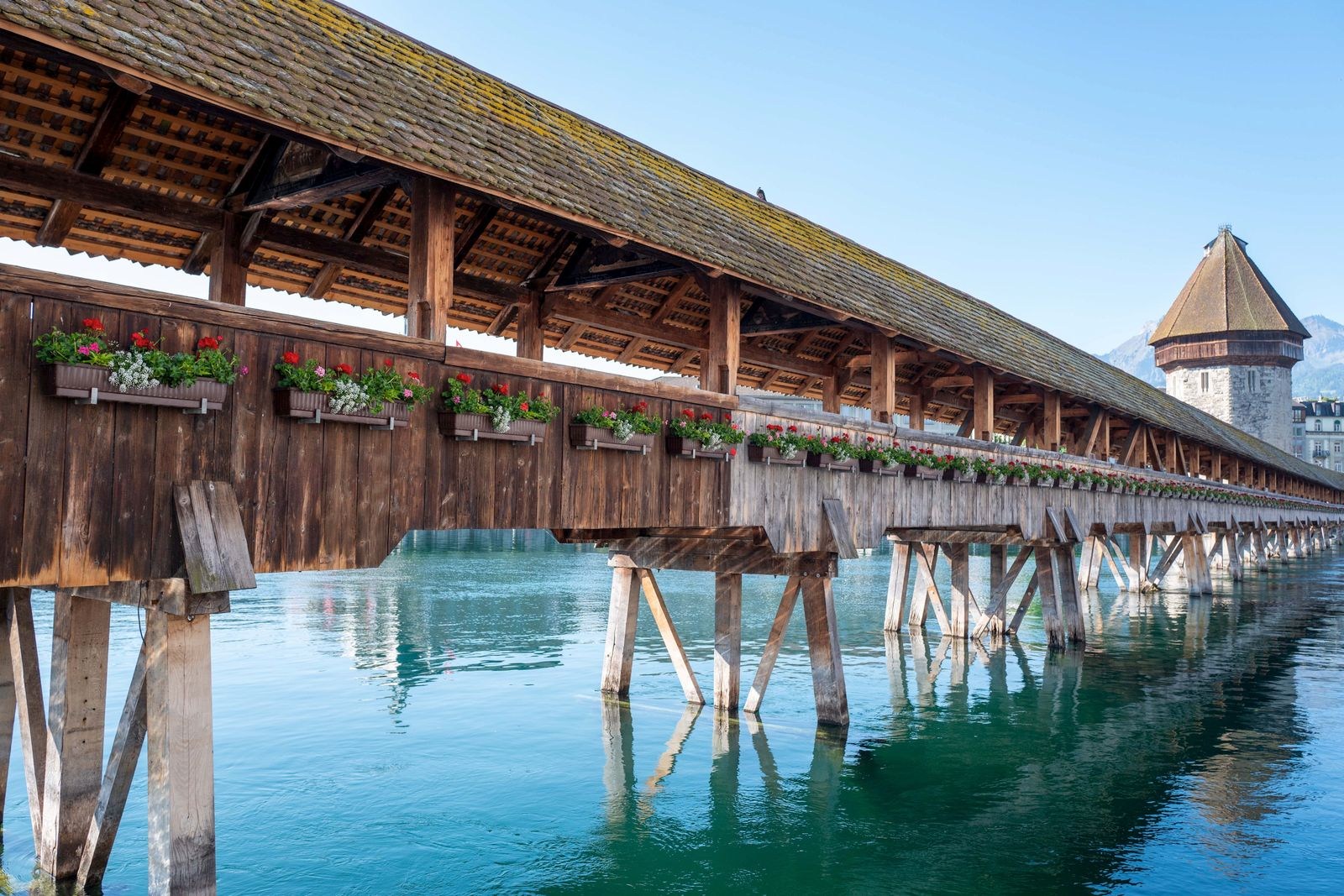
Lucerne: lake and old town in changing weather
Lucerne brings old town, Reuss and lake close together. In changeable weather, use that advantage without filling every spare interval with another reservation just in case.
Europe
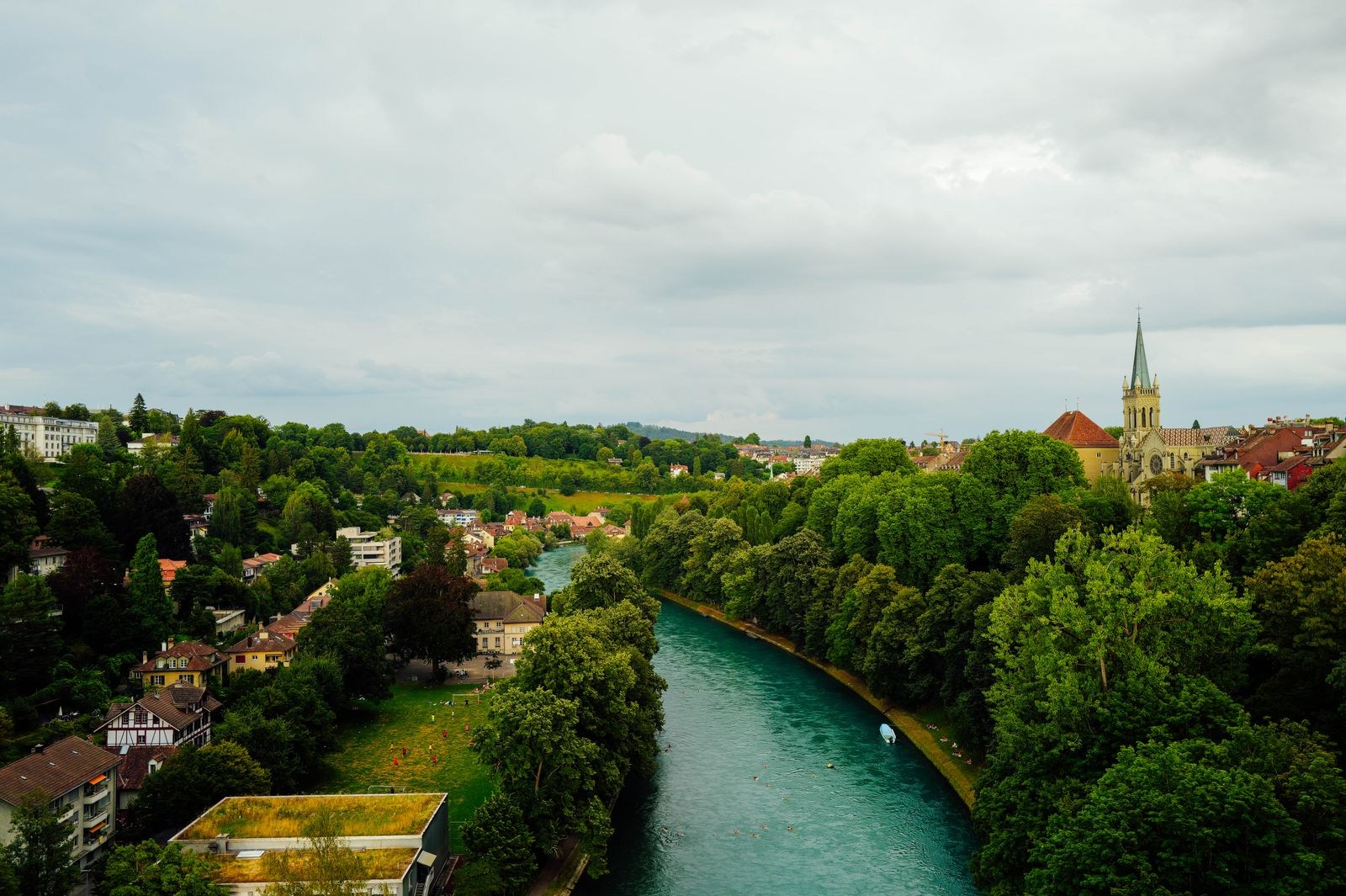
Bern: arcades and the Aare bend on foot
Bern's old town occupies a bend in the Aare. Arcades help make a city walk comfortable, but descending to the river introduces an elevation change that a map can understate.
Europe
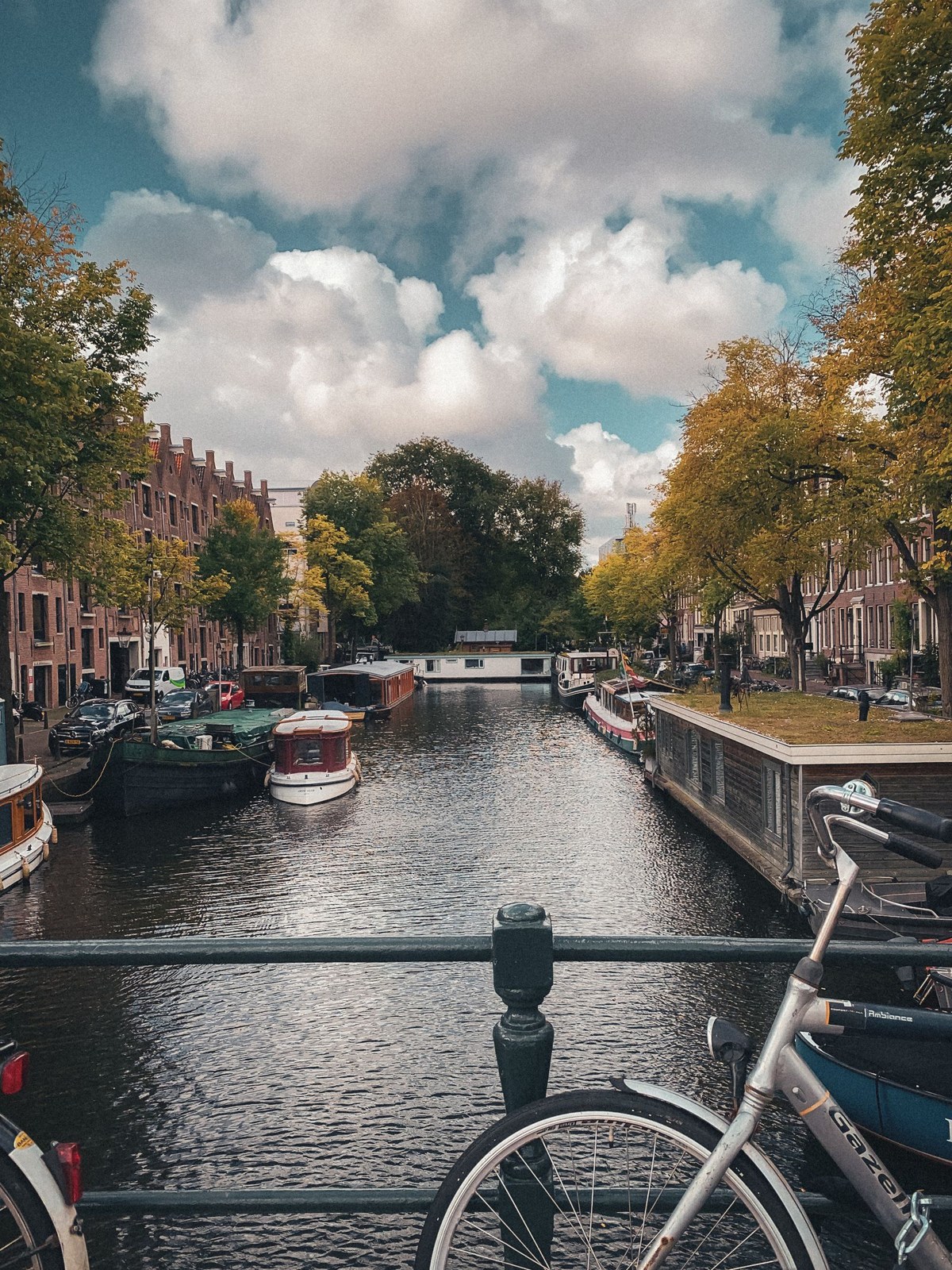
Amsterdam: spacing out canals and museum visits
Amsterdam becomes tiring when every canal and museum turns into another destination. A limited canal section and one selected interior leave more room for experiencing the city itself.
Europe
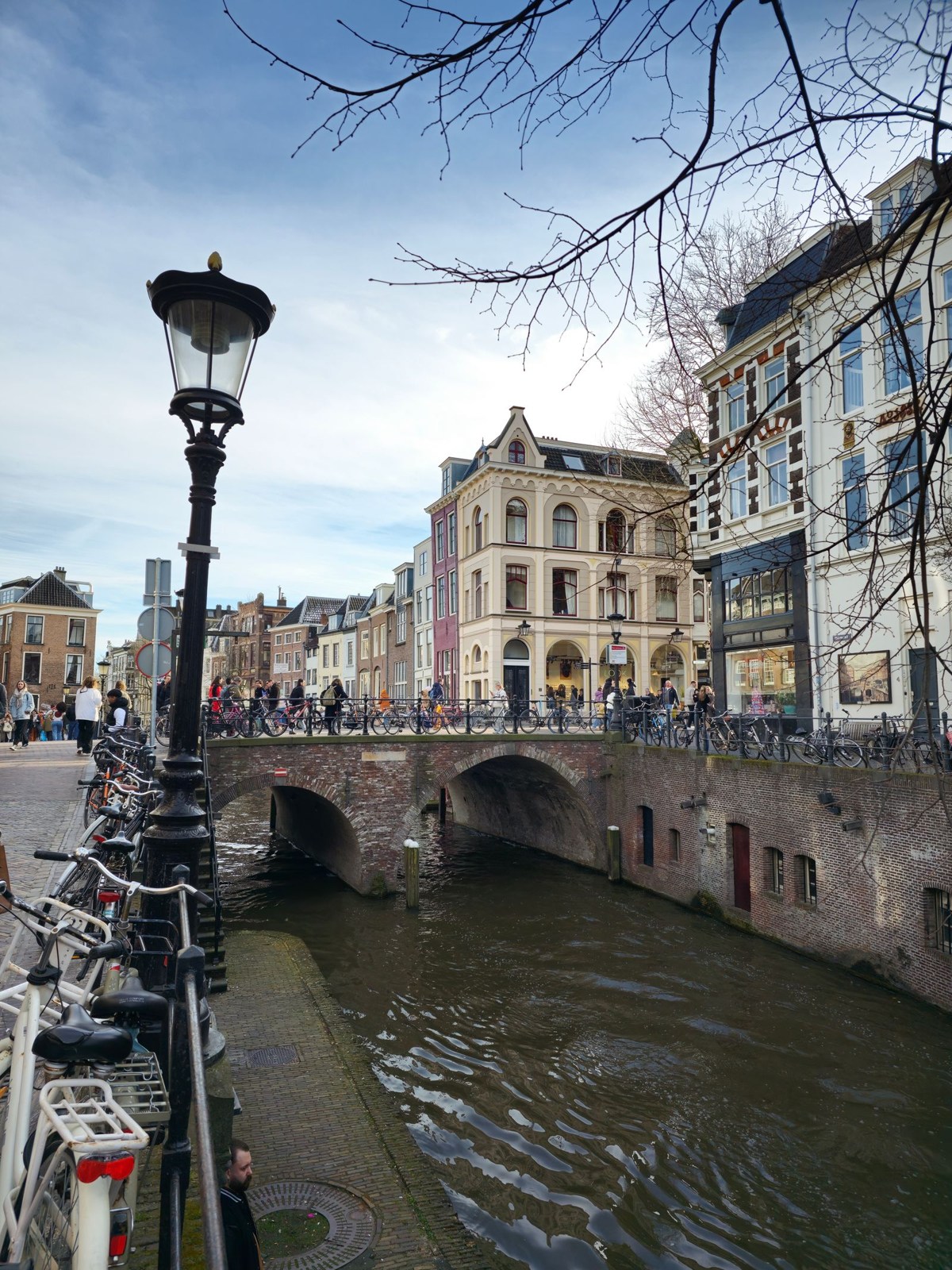
Utrecht: planning a smaller Dutch city weekend
Utrecht's Oudegracht has paths and vaulted spaces on different levels. That gives a small city weekend its own character, but calls for closer attention to access than a simple line along a canal suggests.
Europe
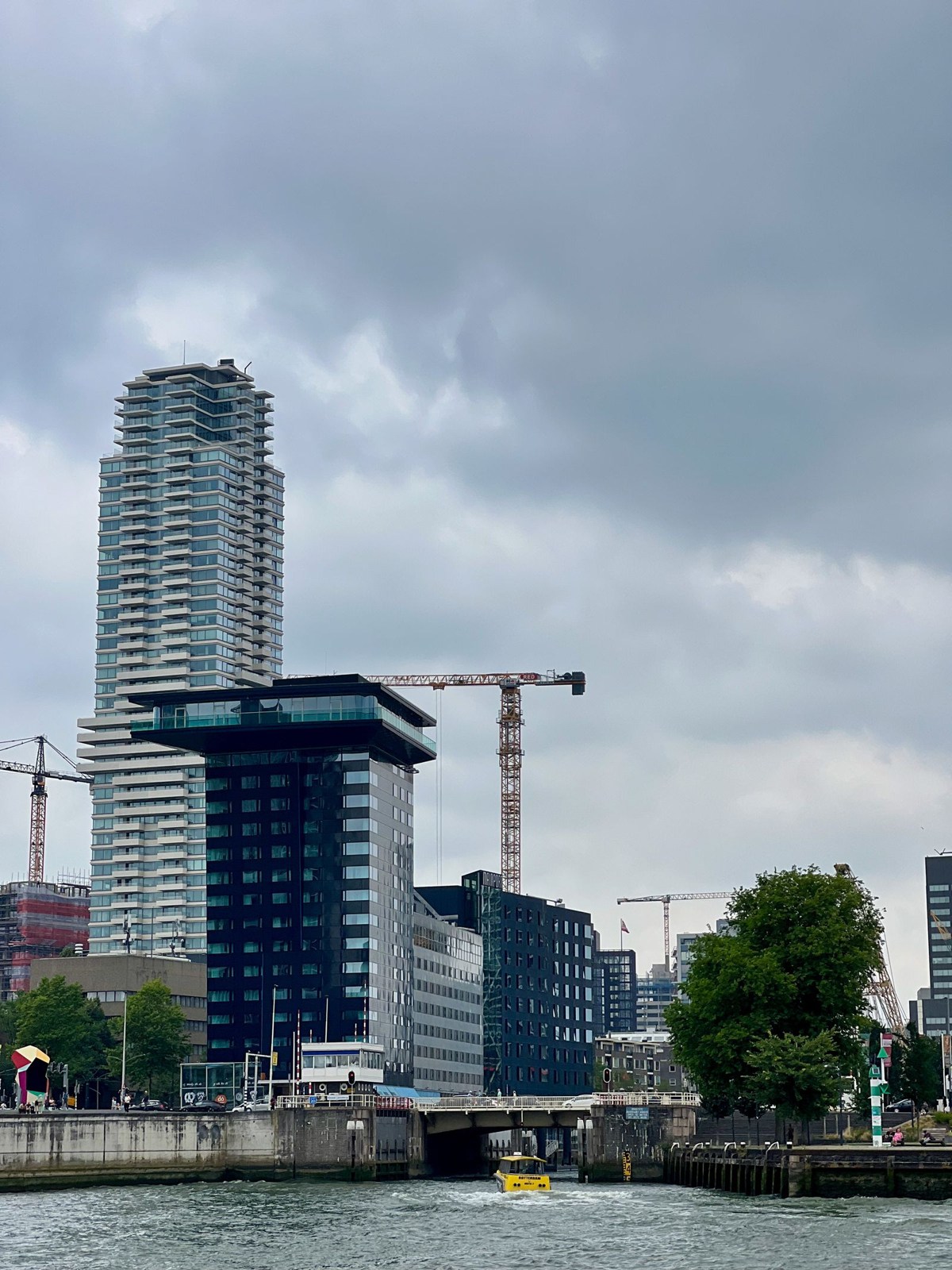
Rotterdam: architecture walks rather than an old-town loop
Rotterdam is understood through architecture, water and larger urban spaces. A route modelled on a compact medieval old town does not suit its distances and forms.
Europe
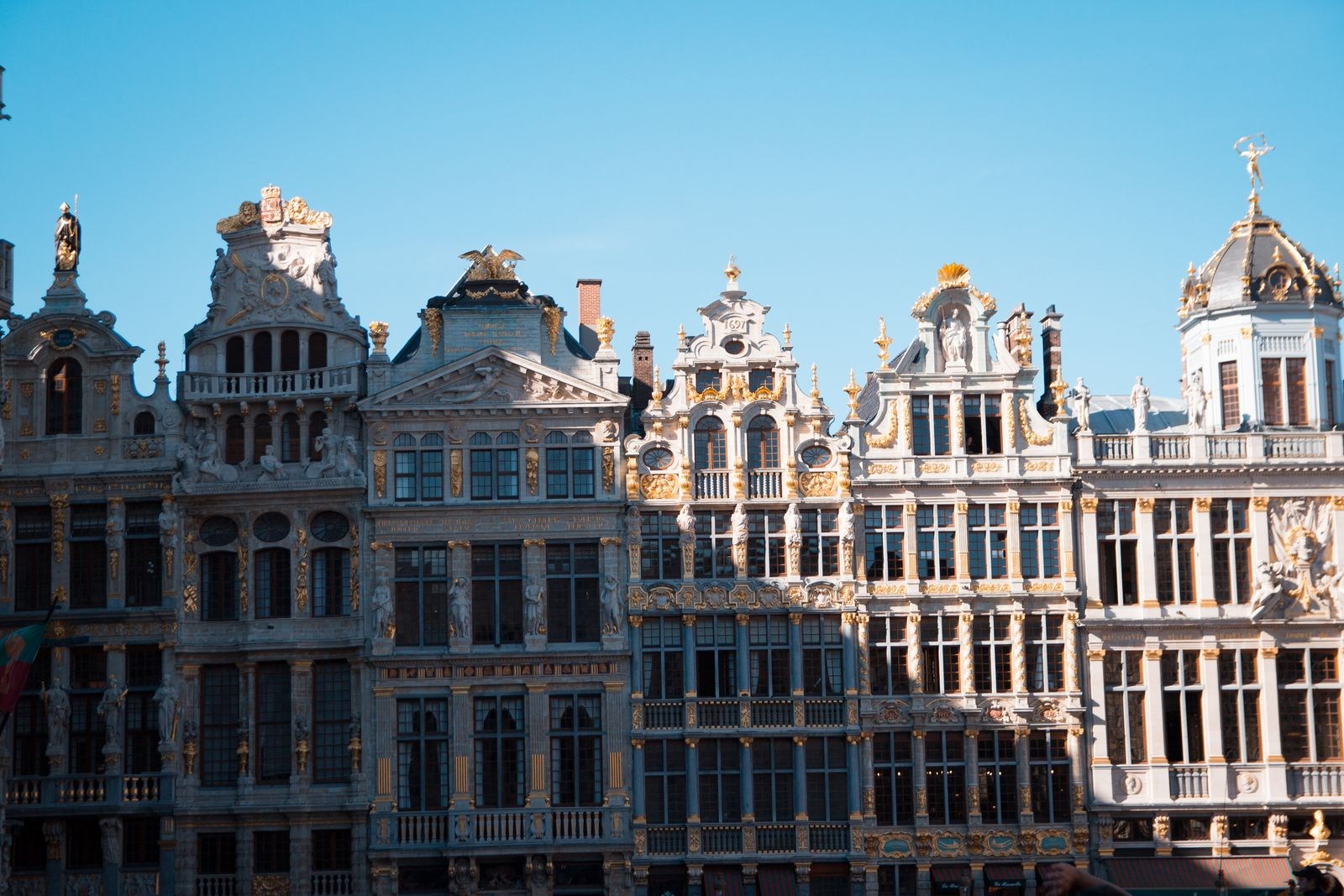
Brussels: linking the upper and lower town
Brussels' historical centre is not entirely level. The route from Grand-Place to the Royal Quarter climbs, and that relationship should shape the day rather than being dismissed as a brief connection.
Europe
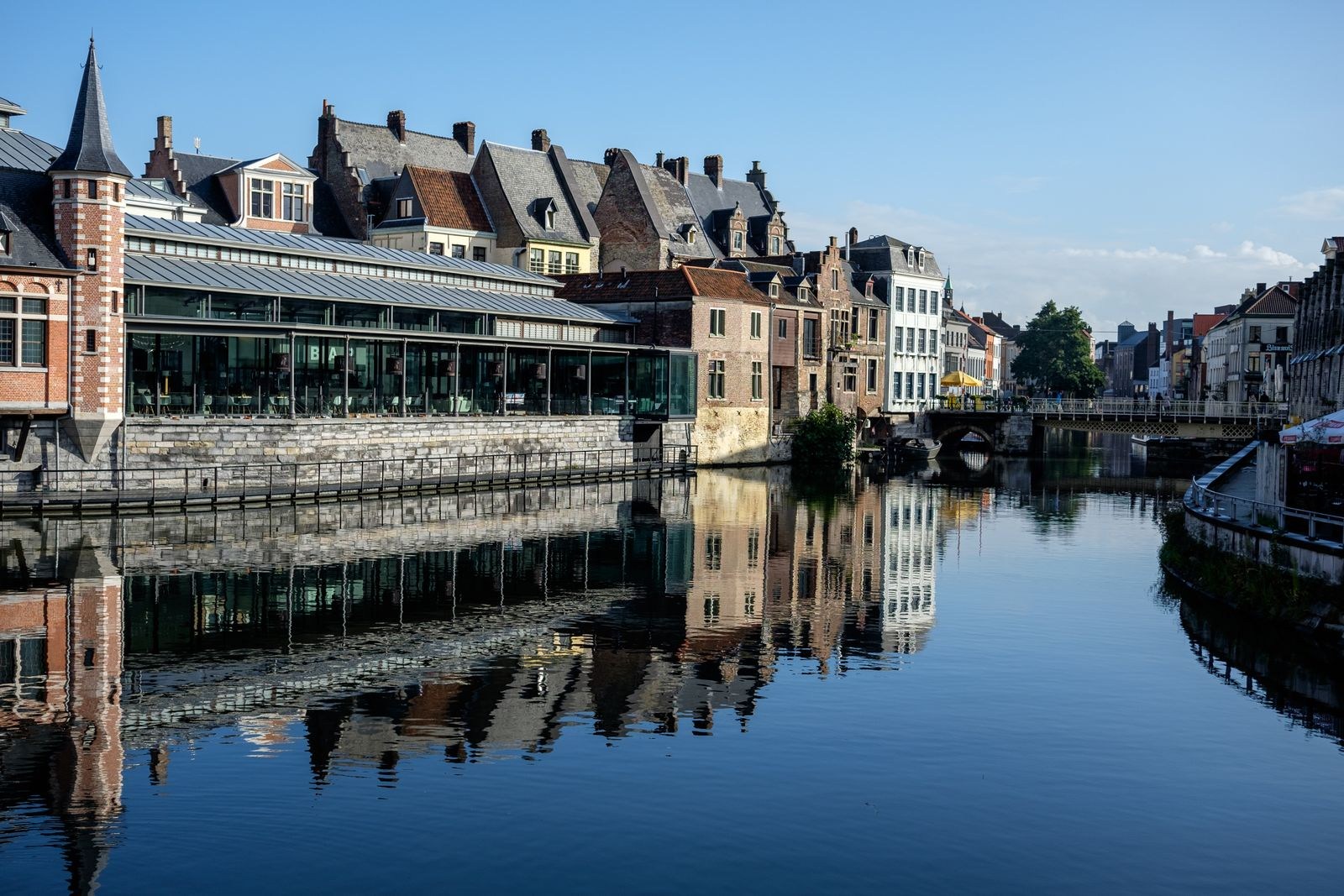
Ghent: waterways and old town over two days
Ghent's waterways and historical squares are close enough for a stay without constant relocation. Two days allow an overview followed by a more focused return.
Europe
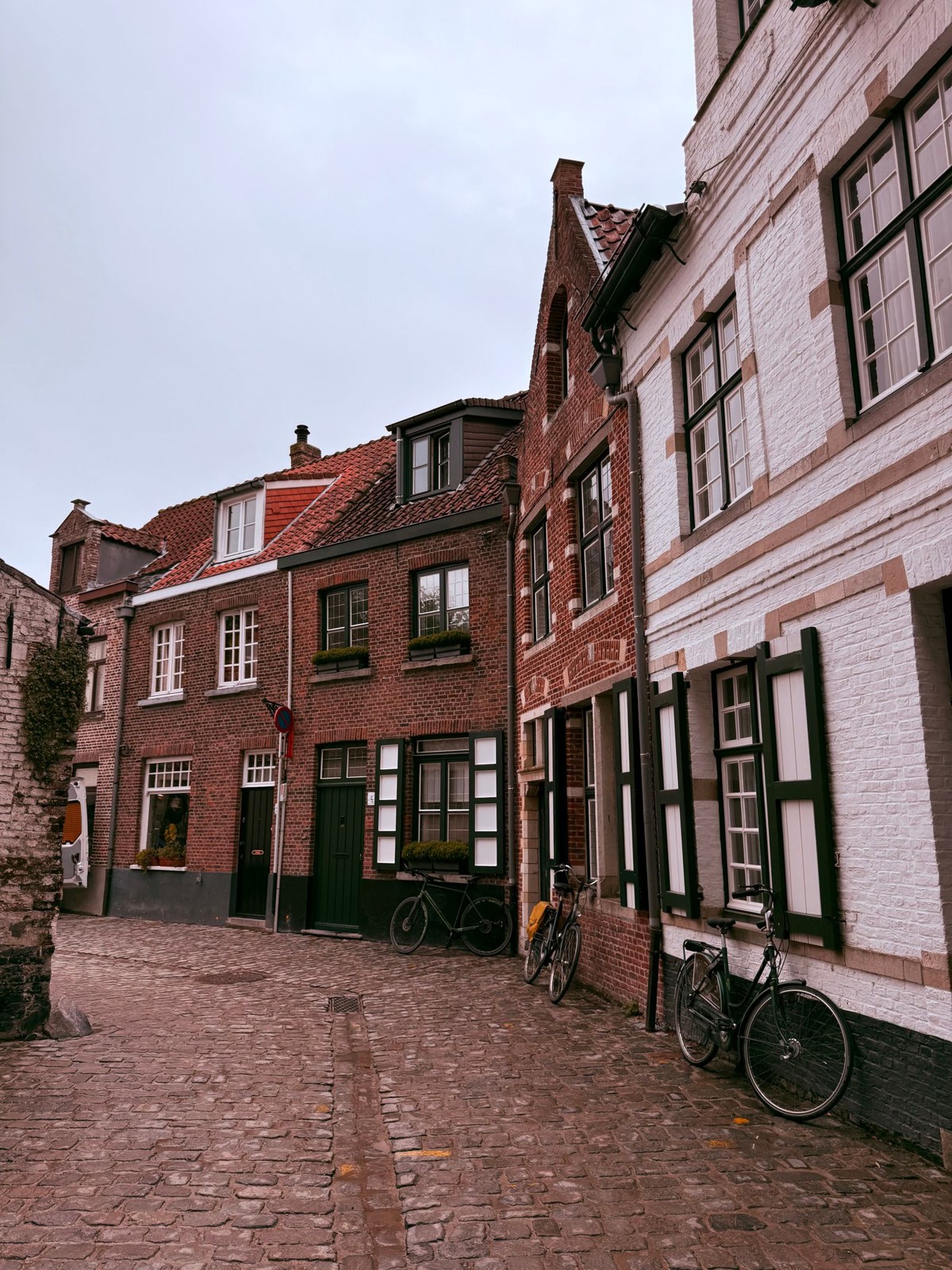
Bruges: leaving space beyond the busiest sights
Bruges' most recognised squares and canals can quickly dominate a visit. Adding a quieter street section helps reveal more than a sequence of familiar views.
Europe
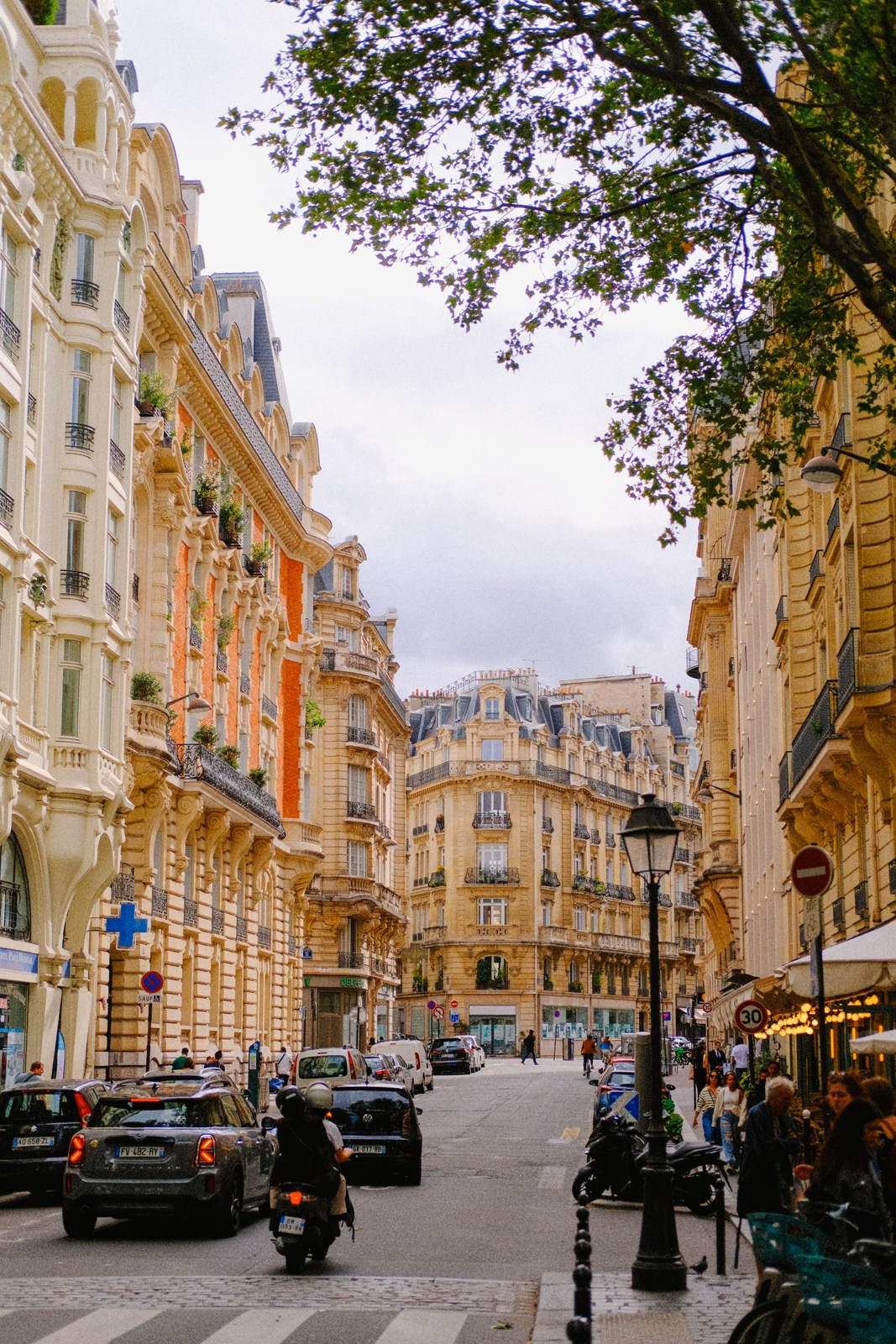
Paris: keeping a weekend to a few neighbourhoods
A Paris weekend does not become more complete by linking the greatest number of distant landmarks. Two or three connected neighbourhoods leave more time for streets, interiors and pauses.
Europe
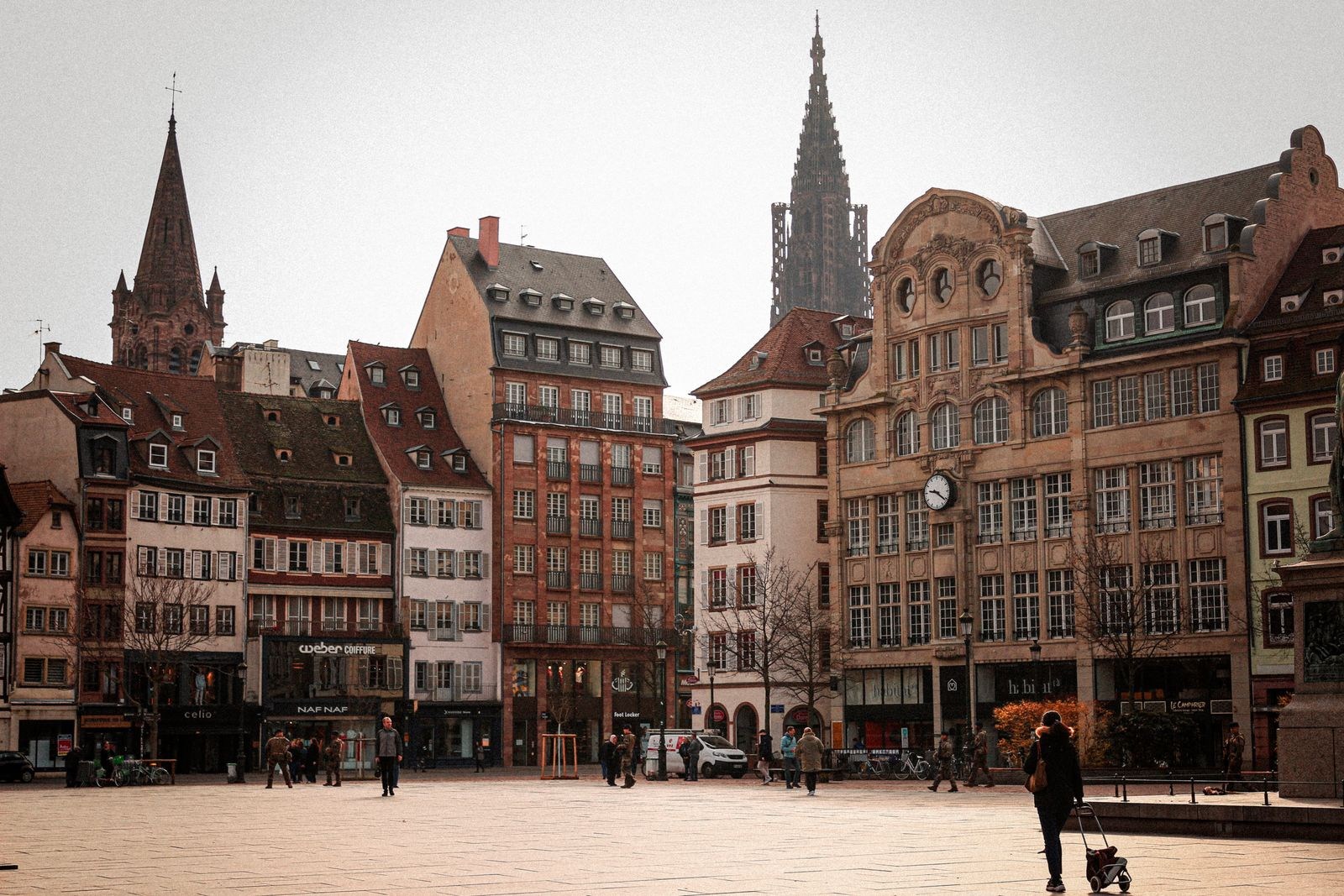
Strasbourg: combining the historic island and outer walks
Strasbourg's Grande Île and Neustadt reveal different approaches to urban planning. A walk becomes clearer when you notice their transition rather than simply collecting familiar façades.
Europe
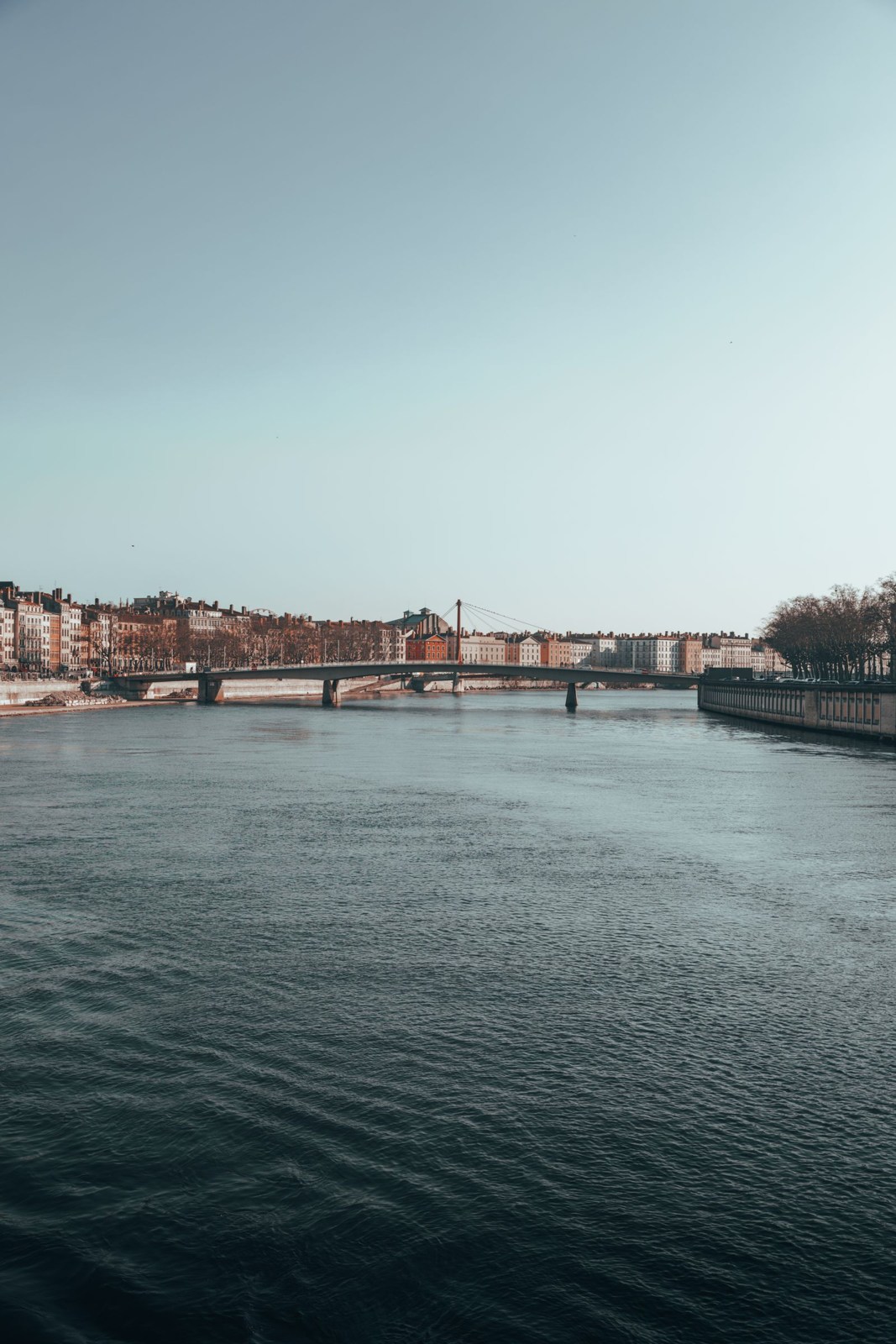
Lyon: two rivers and contrasting neighbourhoods
Lyon occupies the banks and space between two rivers, with prominent hills as well. A short visit benefits from separating Vieux-Lyon, Presqu'île and one deliberately selected elevated area.
Europe
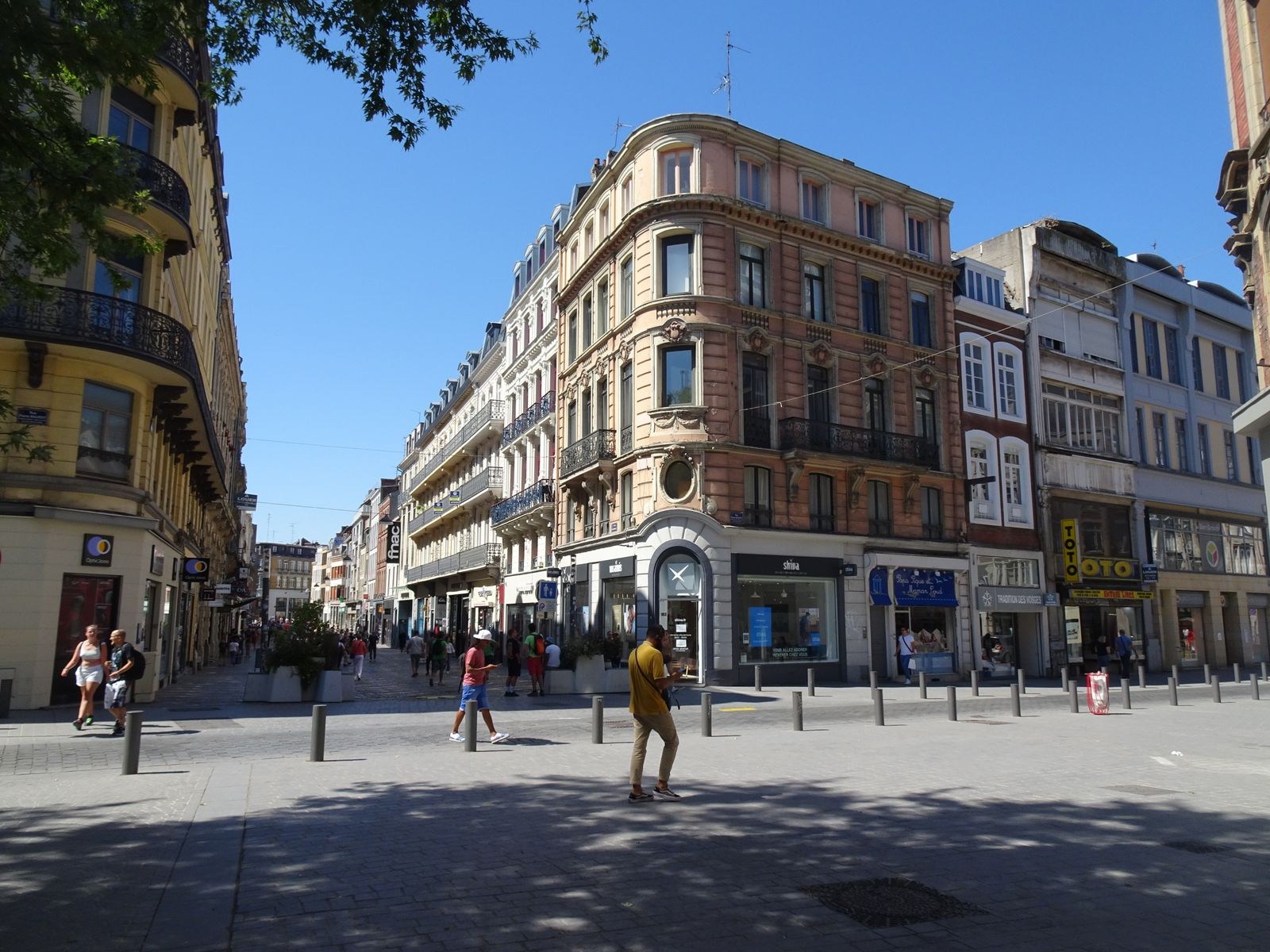
Lille: a short weekend between old town and museums
Lille suits a short weekend framed by the old town and one selected museum. Other cultural venues across the metropolitan area are genuine excursions, not invisible additions to the same central walk.
Europe
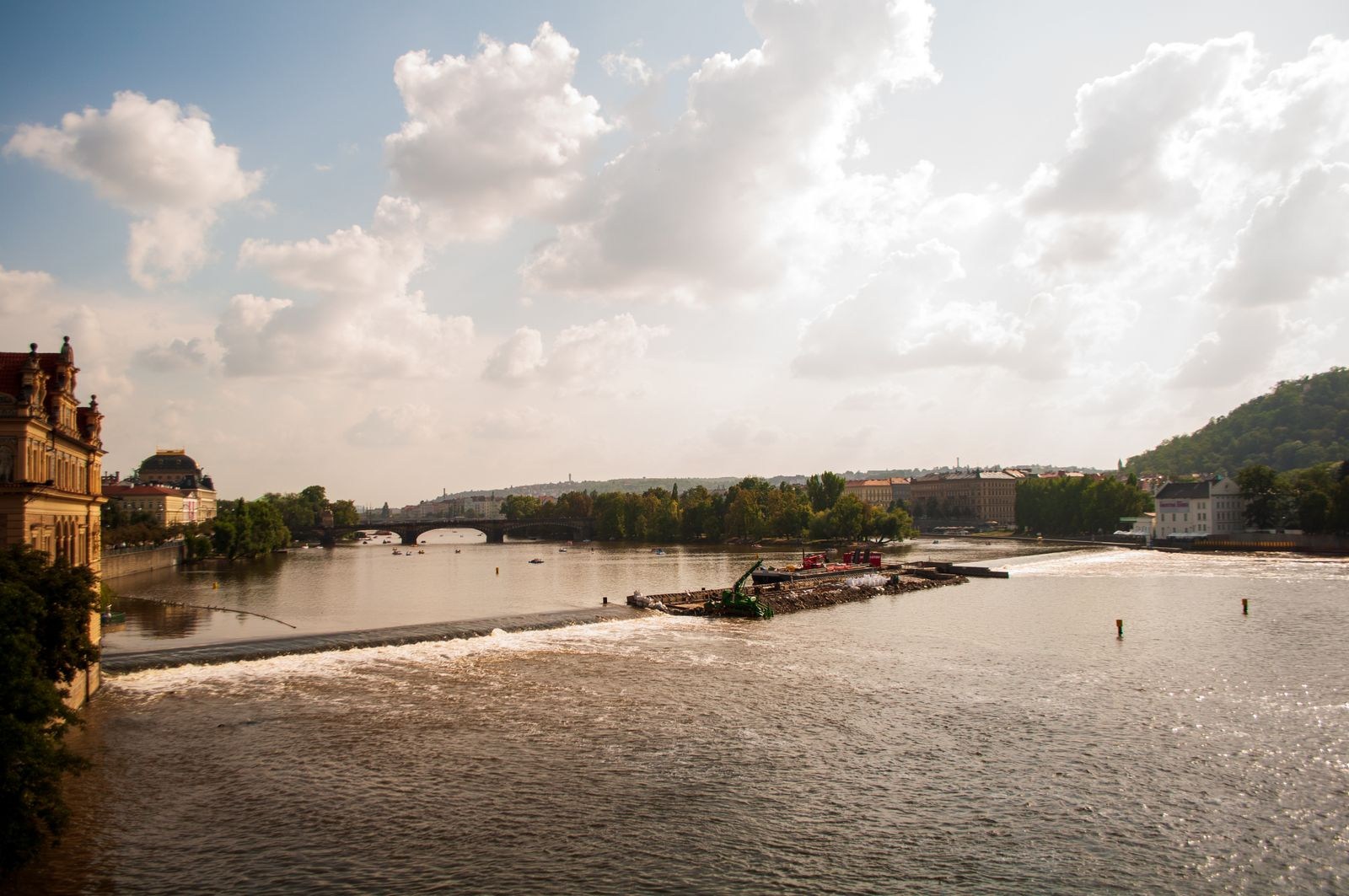
Prague: planning for hills and river crossings
Prague's river crossings and elevation changes matter more to a relaxed itinerary than the number of sights. Avoid switching between the castle side and old town every hour.
Europe
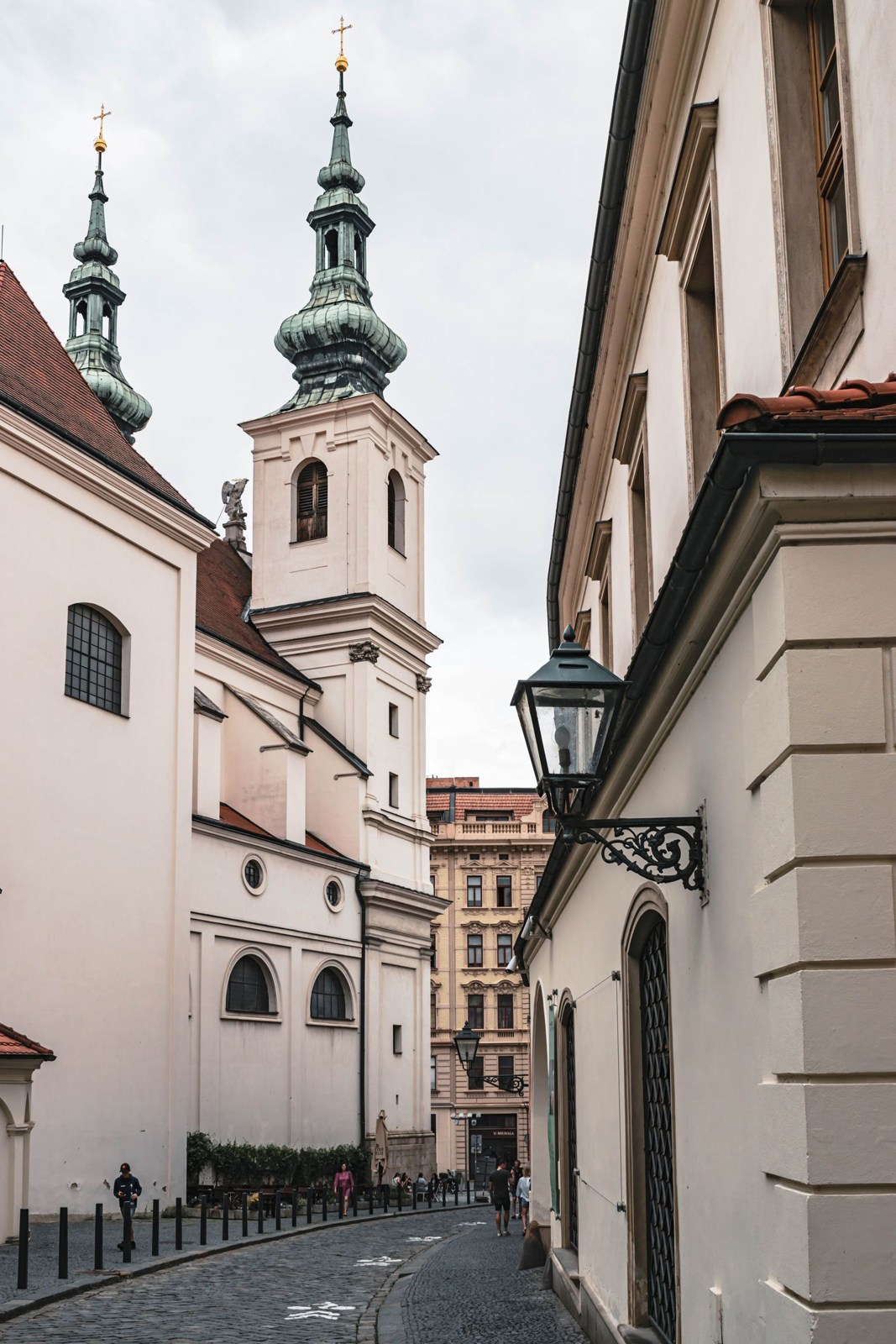
Brno: structuring a short city stay
Brno combines a compact centre with several substantial cultural destinations. On a short stay, separate the central walk from visits requiring special access or a further journey.
Europe
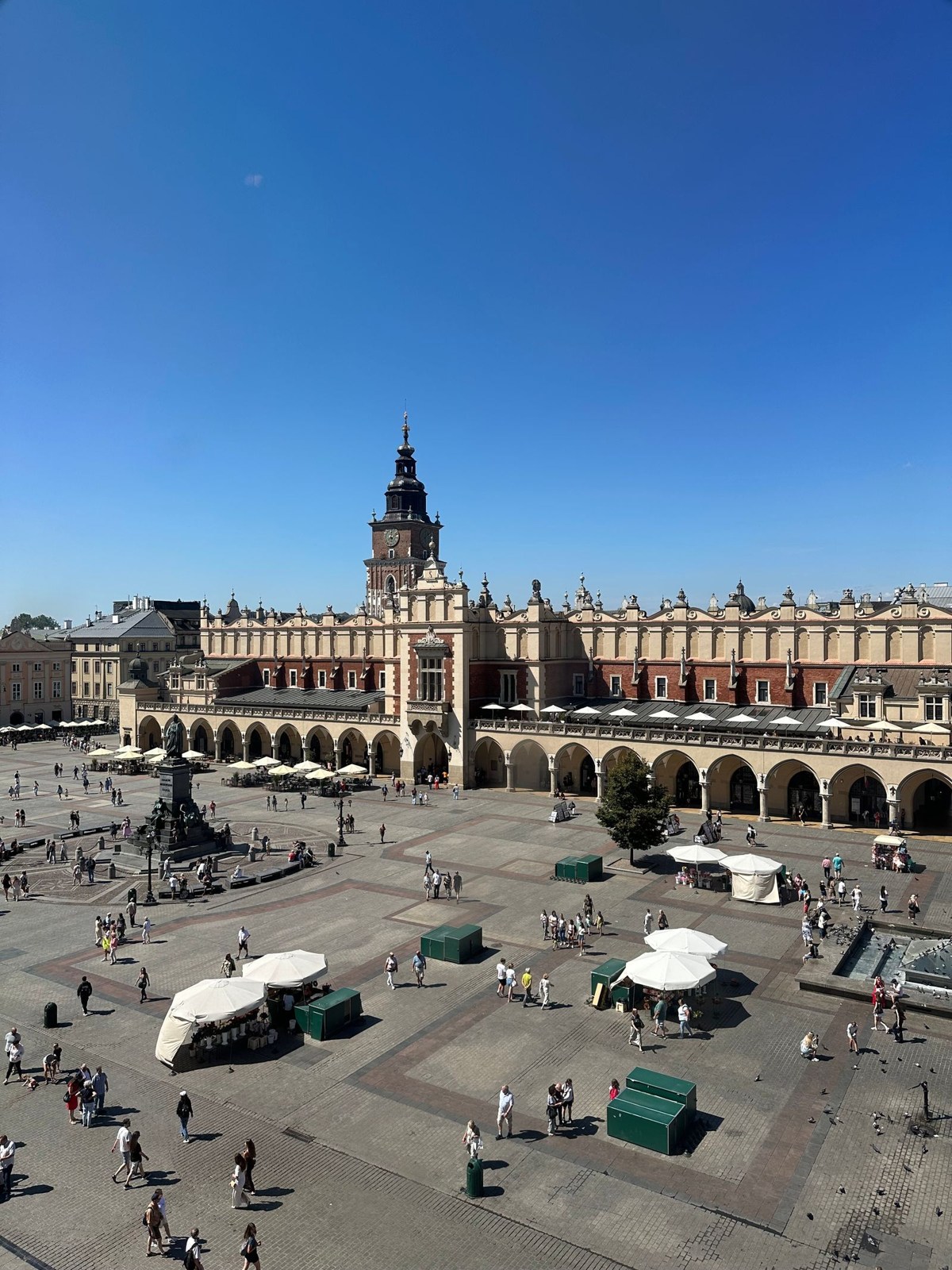
Kraków: visiting the old town and Kazimierz separately
Kraków's old town and Kazimierz deserve separate intervals. Treating both merely as stops before another excursion overlooks their different historical and present-day meanings.
Europe
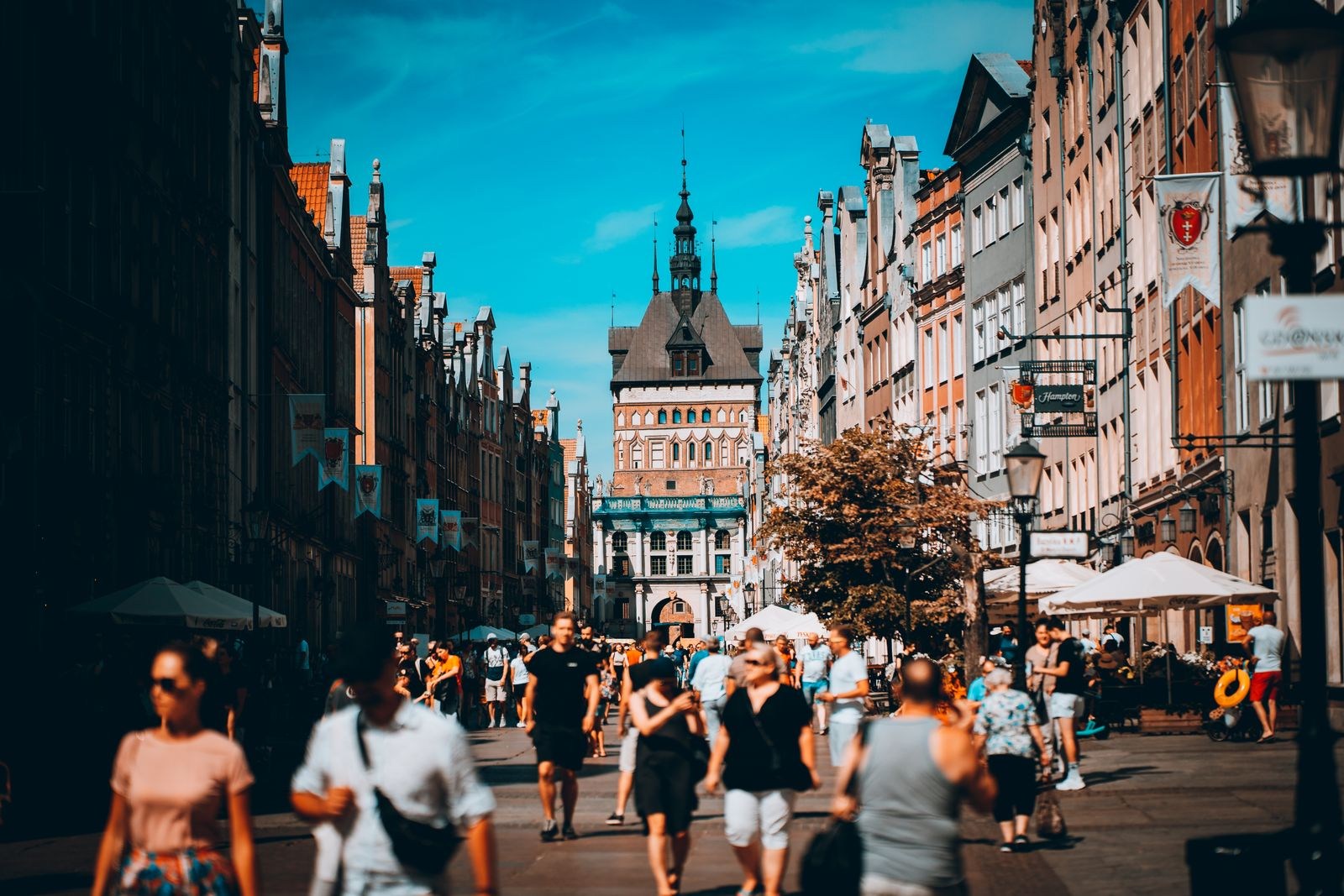
Gdańsk: linking the Main Town and waterfront
Gdańsk's Main Town and Motława waterfront can form one connected walk. A coastal excursion is a separate journey and should not be confused with strolling beside the historical harbour.
Europe
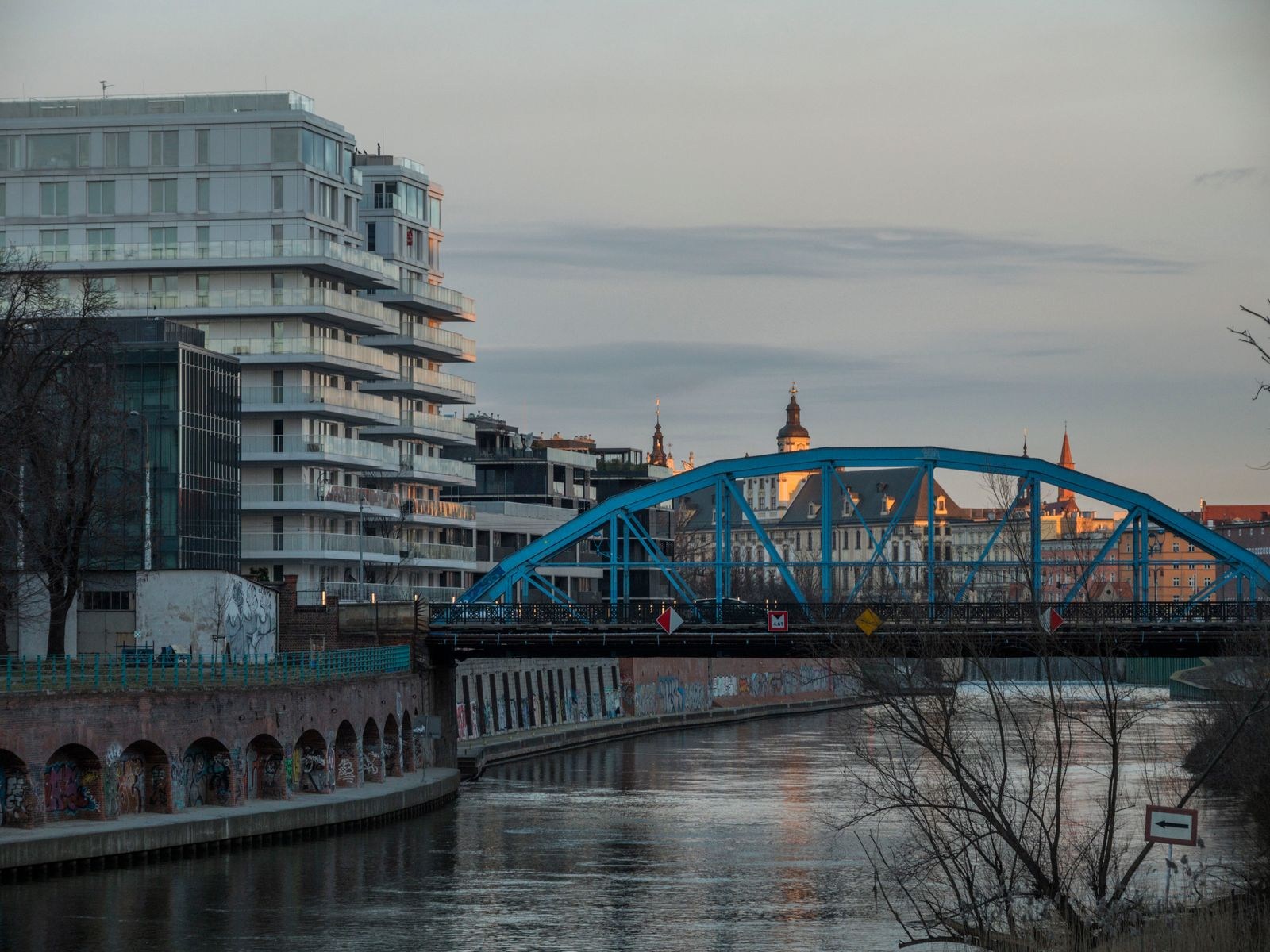
Wrocław: islands, bridges and the old town
Wrocław's islands and bridges add variety to a city walk. A limited selection is often more useful than trying to cross every visible branch of water in one circuit.
Europe
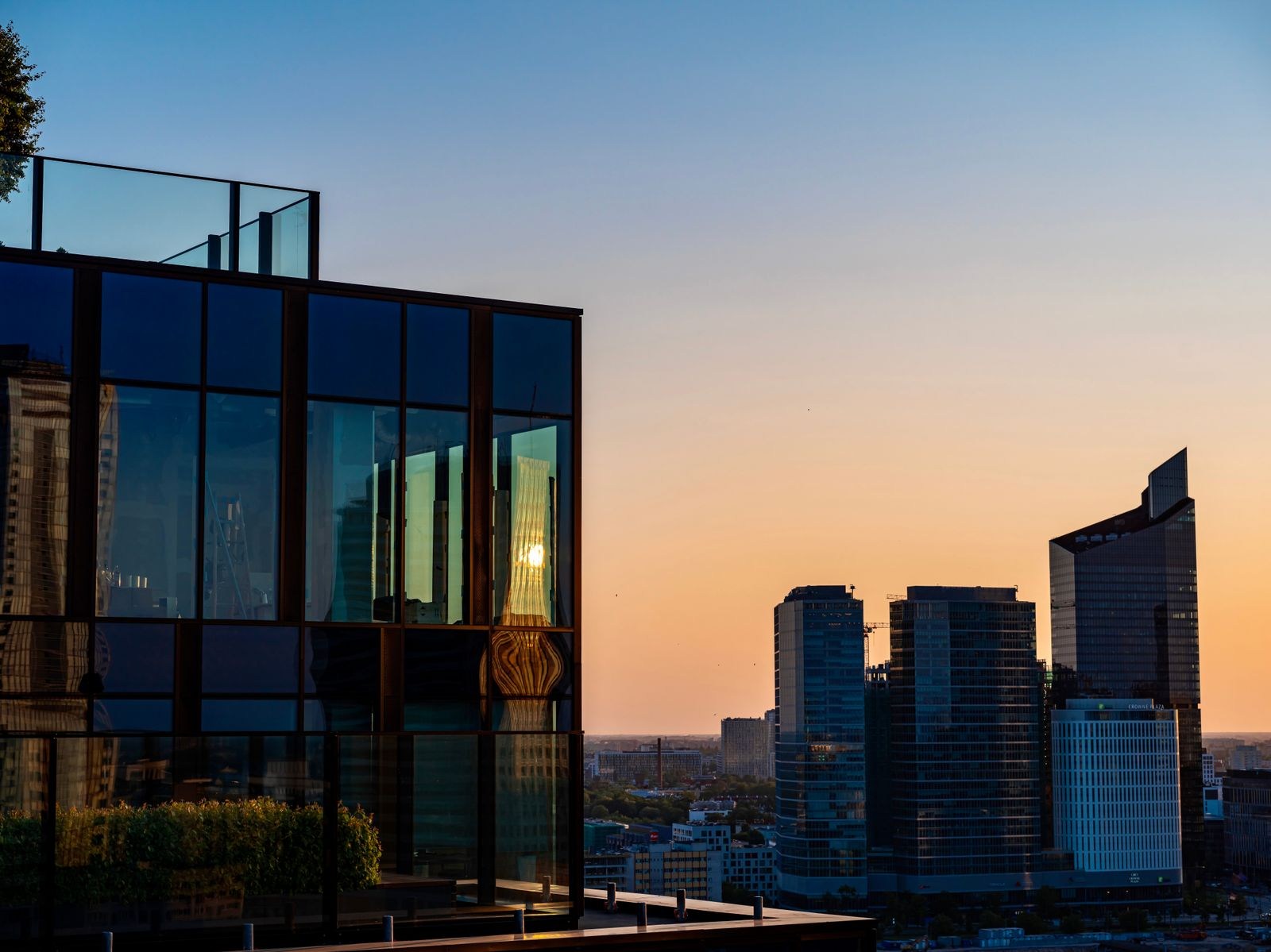
Warsaw: accounting for distances between districts
Warsaw's centre contains several distinct areas. A centrally described room is therefore not automatically close to the old town, parks, museums and Praga at the same time.
Europe
Copenhagen: planning a compact city visit
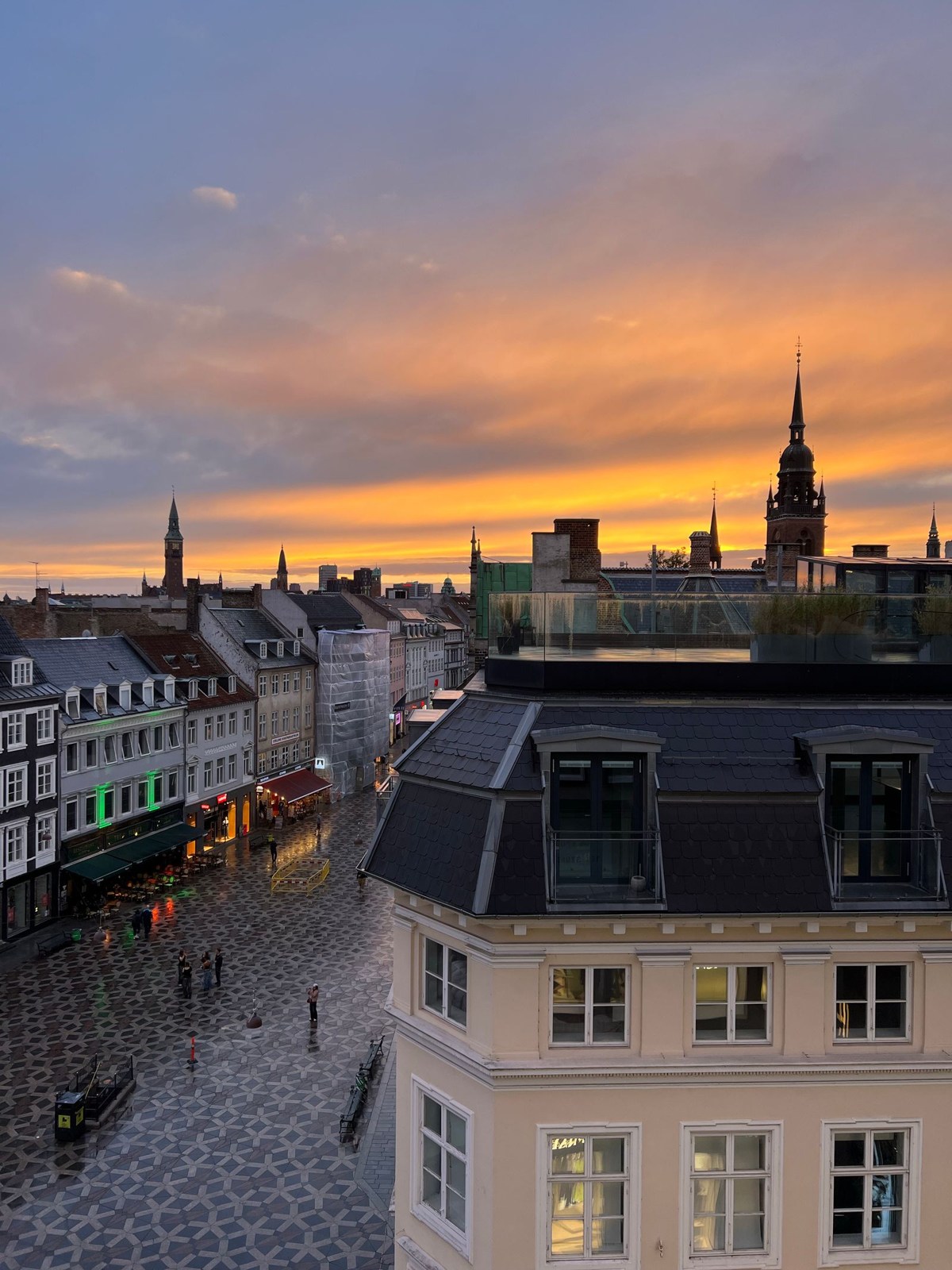
Copenhagen suits a compact first visit framed by the centre and one additional neighbourhood. Good transport supports selective planning; it is not a reason to change areas repeatedly every day.
Europe
Stockholm: grouping islands into daily routes
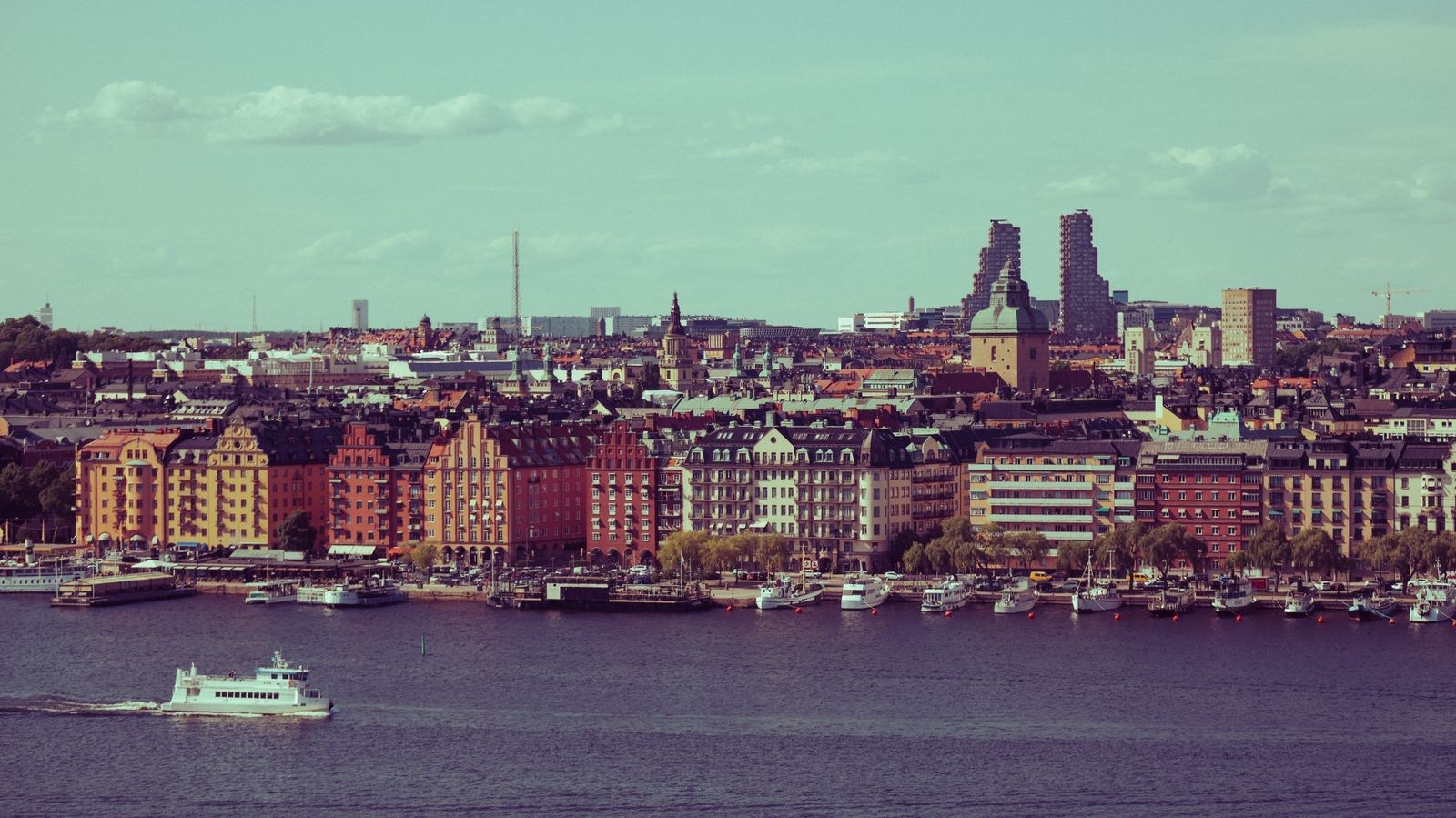
Stockholm's islands shape the city and provide useful boundaries for daily plans. Accounting for the connections lets you enjoy water views without repeatedly switching between widely separated museums.
Europe
Oslo: dividing time between waterfront and museums
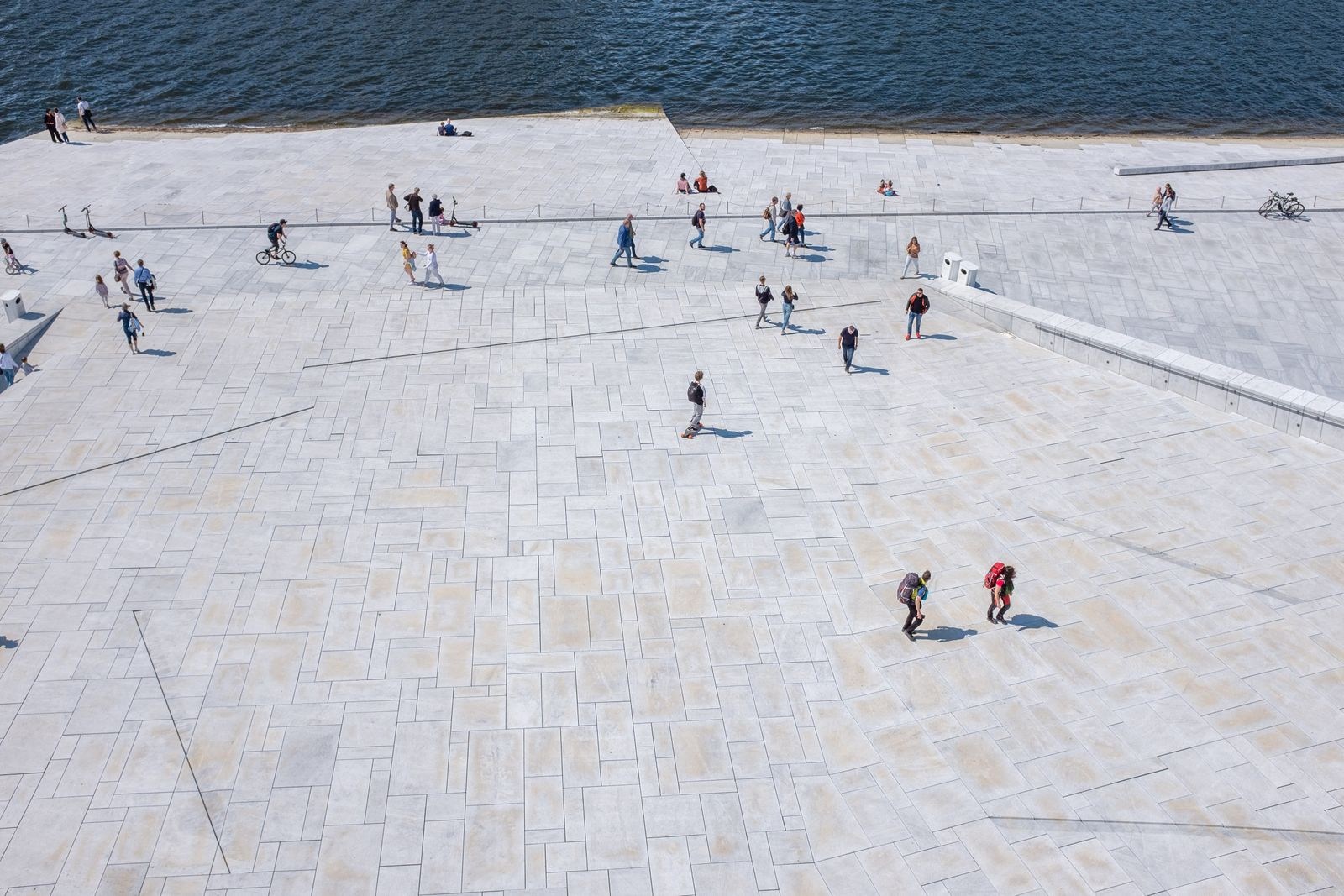
Oslo's waterfront and museums fit together when the harbour walk is given time of its own. Bygdøy especially benefits from a clear choice about which collection deserves the journey.
Europe
Helsinki: city streets and coastal walks without rushing
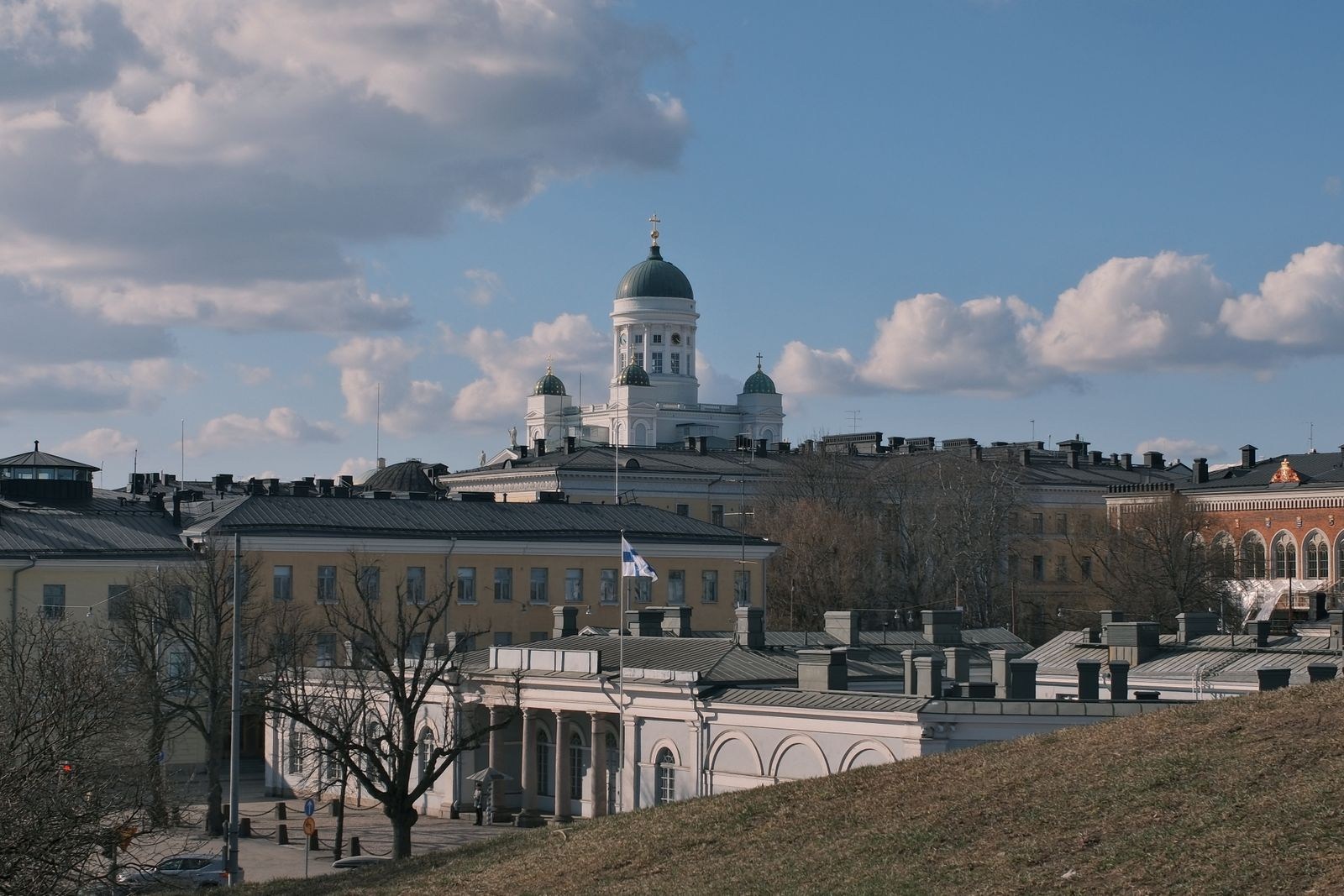
Helsinki places city streets close to coastal scenery, but a relaxed visit still depends on choosing between different outings. A central walk, an extended waterfront route and an island excursion each need their own space.
Europe
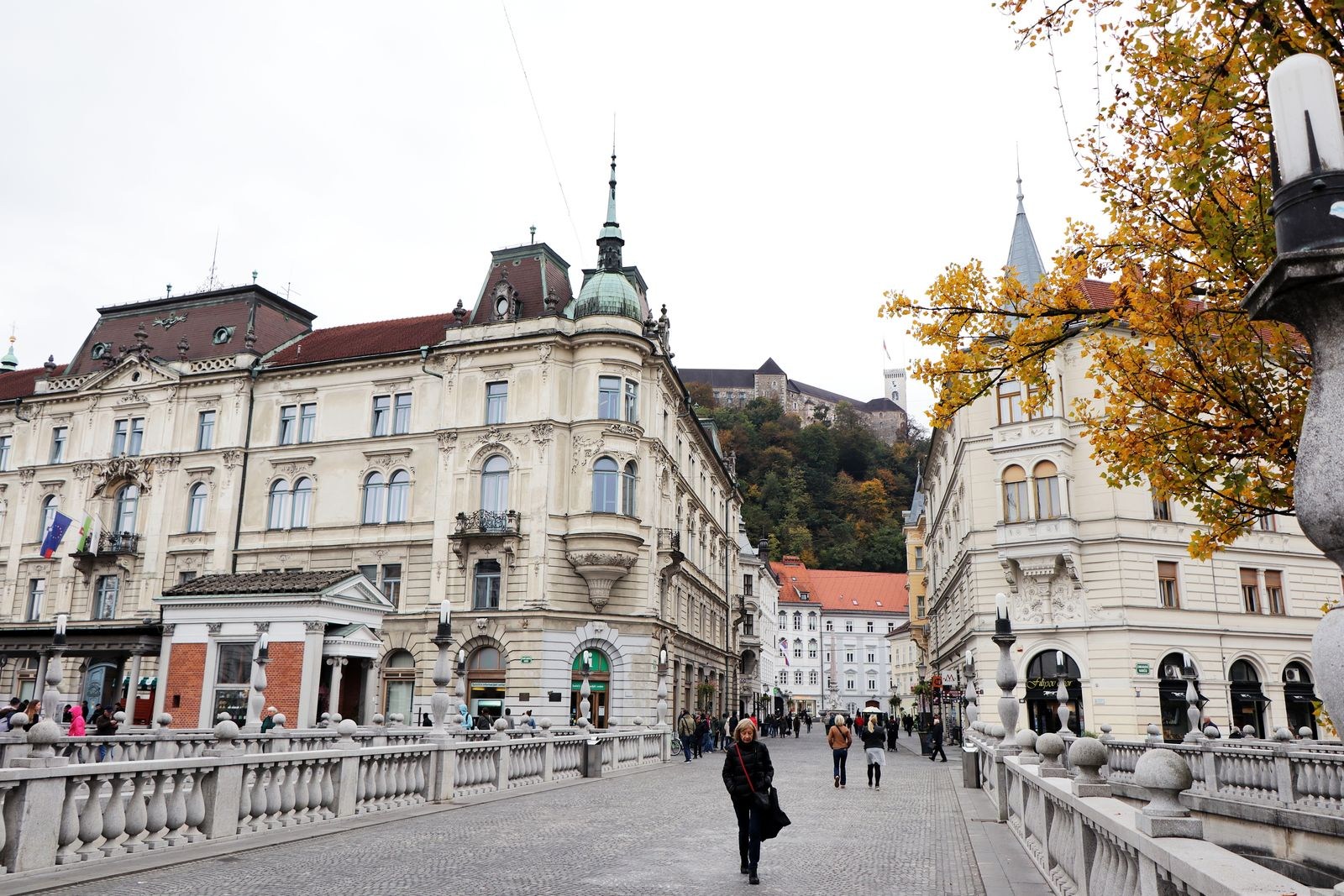
Ljubljana: a small capital for a weekend
Ljubljana's compact centre suits a weekend of close observation. Its manageable distances leave room to notice both riverbanks, the sequence of old-town squares and the change in height between the streets and the castle.
Europe
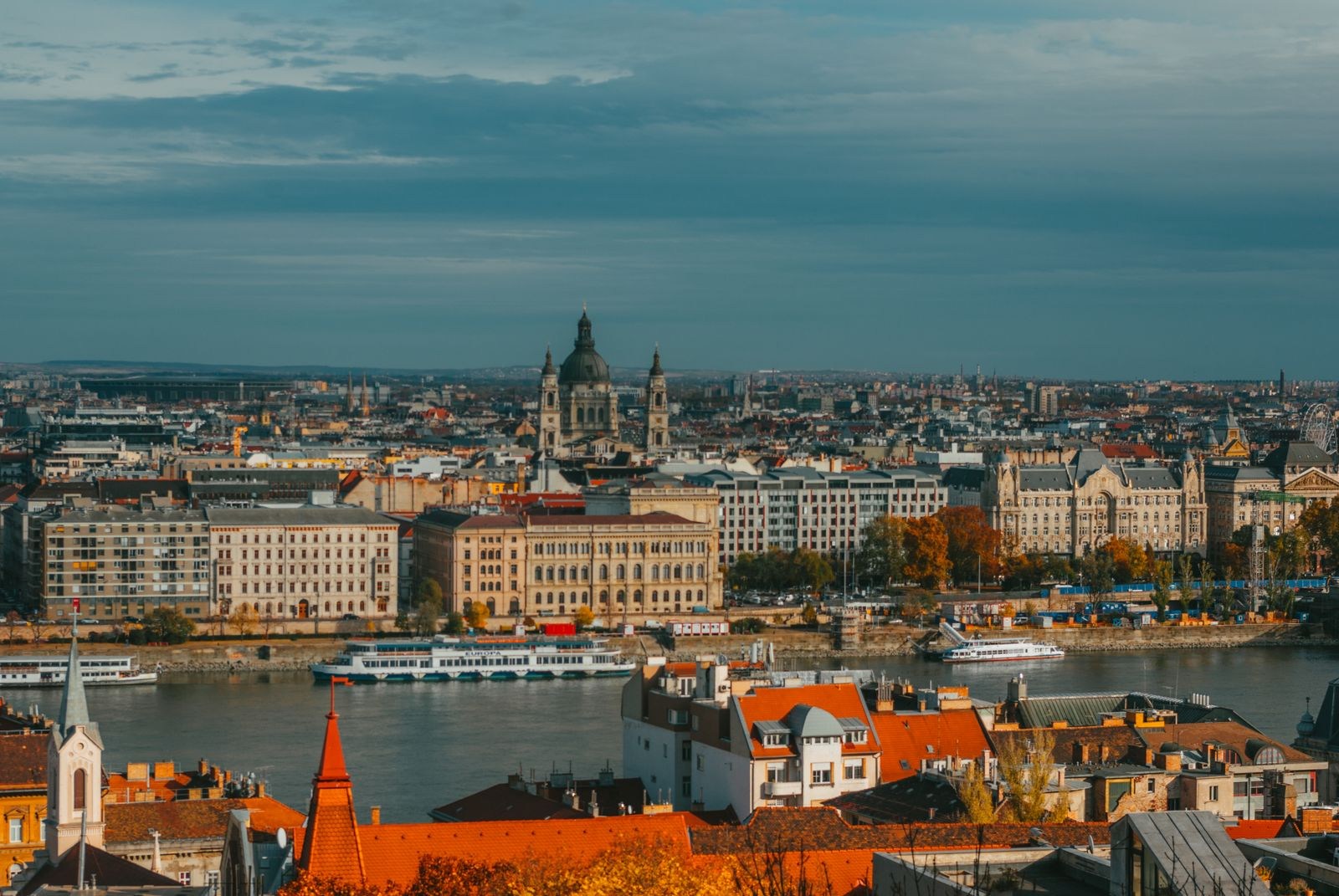
Budapest: giving Buda and Pest separate days
Buda and Pest work well as two different city days. The river remains their shared reference point without requiring you to cross it again for every new stop.
Europe
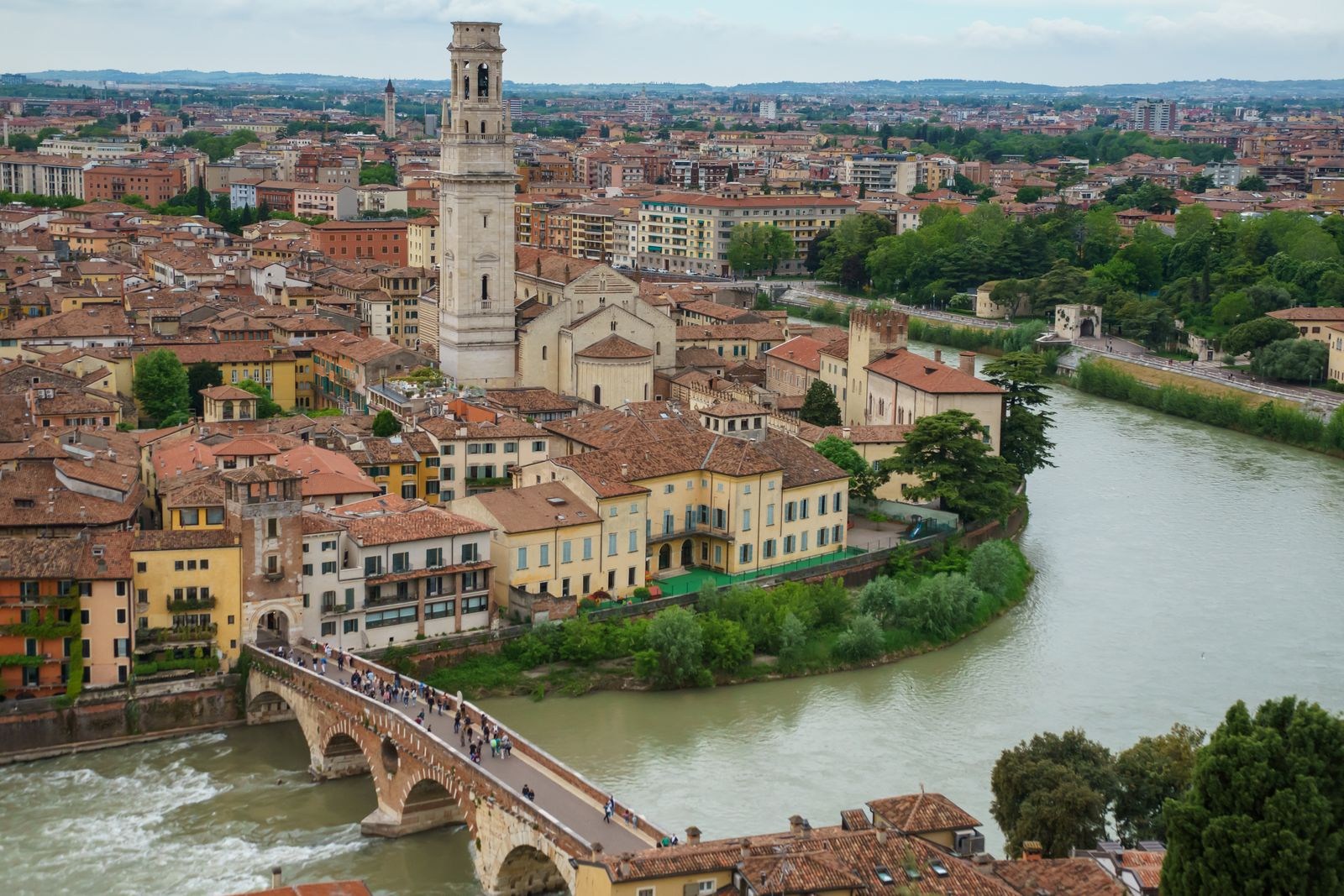
Verona: old-town walks for a short stay
A short Verona stay benefits from a clear old-town route and one substantial interior visit. The squares and river already provide variety without requiring admission to every familiar address.
Europe
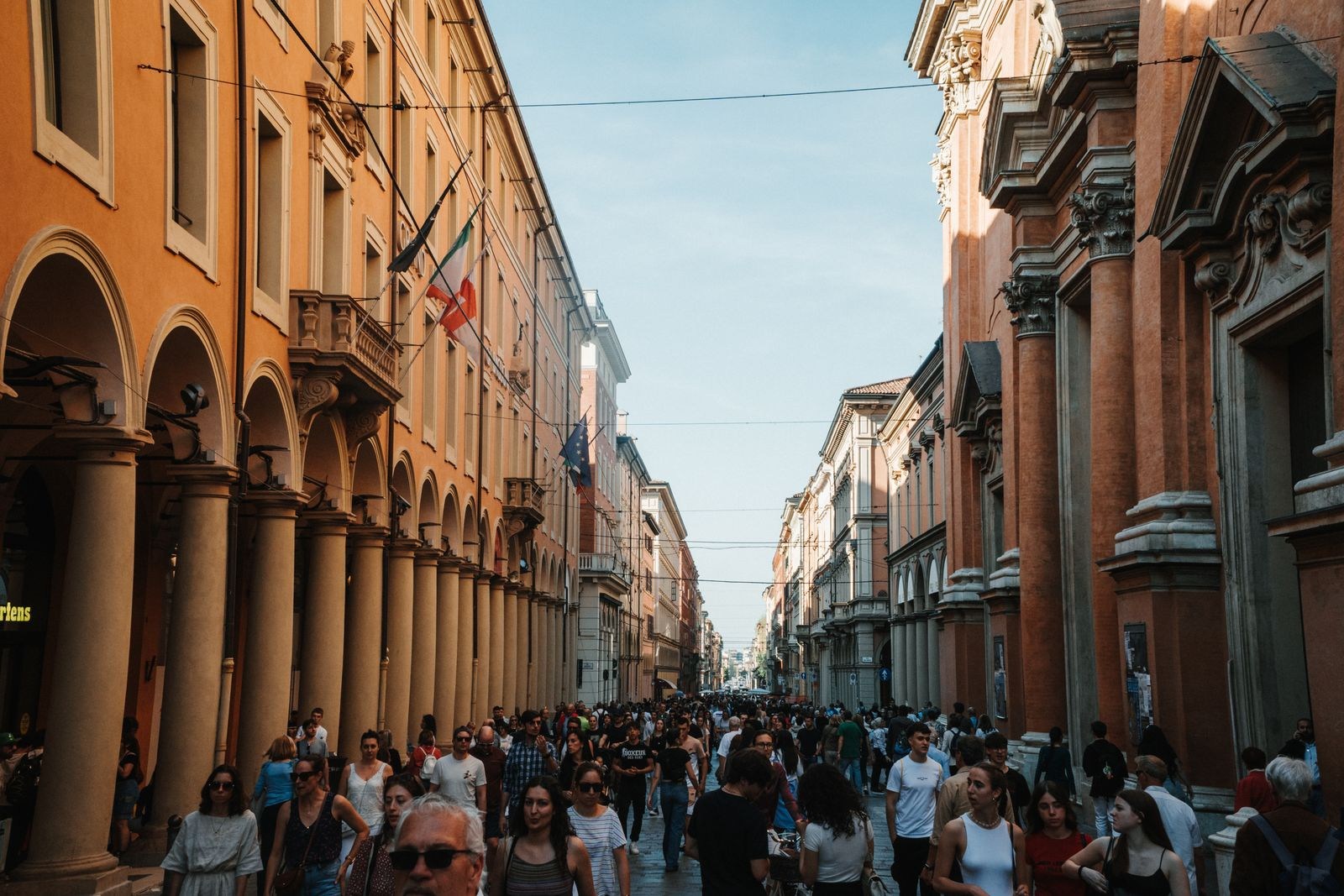
Bologna: planning porticoes and food breaks together
Bologna's porticoes belong to the routes through the city. They do not need to become another attraction squeezed between meals and visits. A more useful approach is to build a walk in which architecture and breaks work together.
Europe
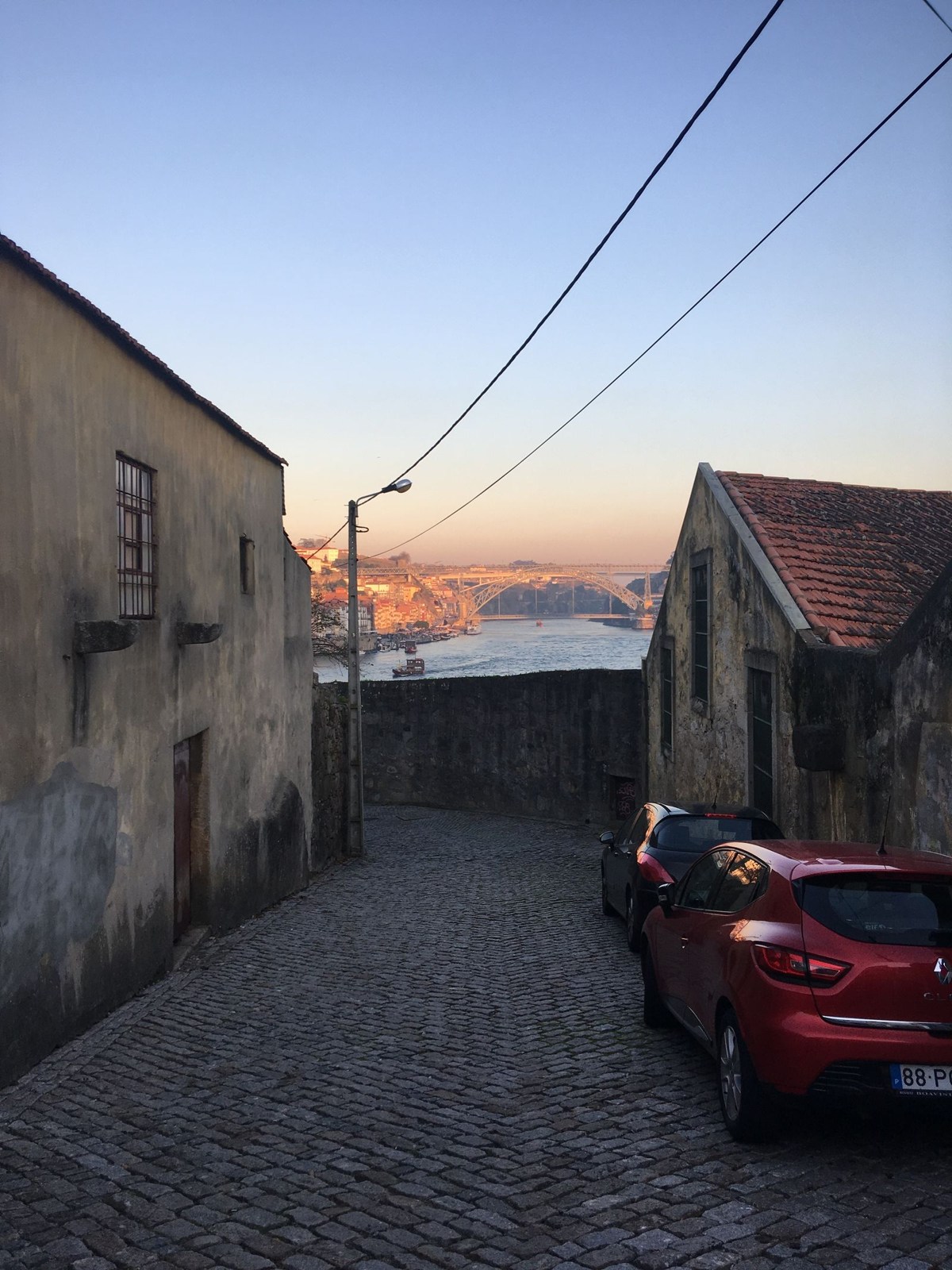
Porto: checking steep streets before choosing a base
In Porto, a short map distance can conceal a substantial change in height. Before booking accommodation, examine the journeys you will actually make each morning and evening, not only the property's proximity to the river.

Europe
Valencia: dividing time between old town, park and coast
Valencia combines a historic centre, a long urban park and city beaches. They complement one another, but are not all immediately adjacent. For a short stay, divide the visit around routes rather than assembling the longest possible list of attractions.

Rail & local transport
Planning connection time with luggage
A connection offered by a journey planner is not necessarily a comfortable connection with your luggage. What matters is the route between the two train doors.
Rail & local transport
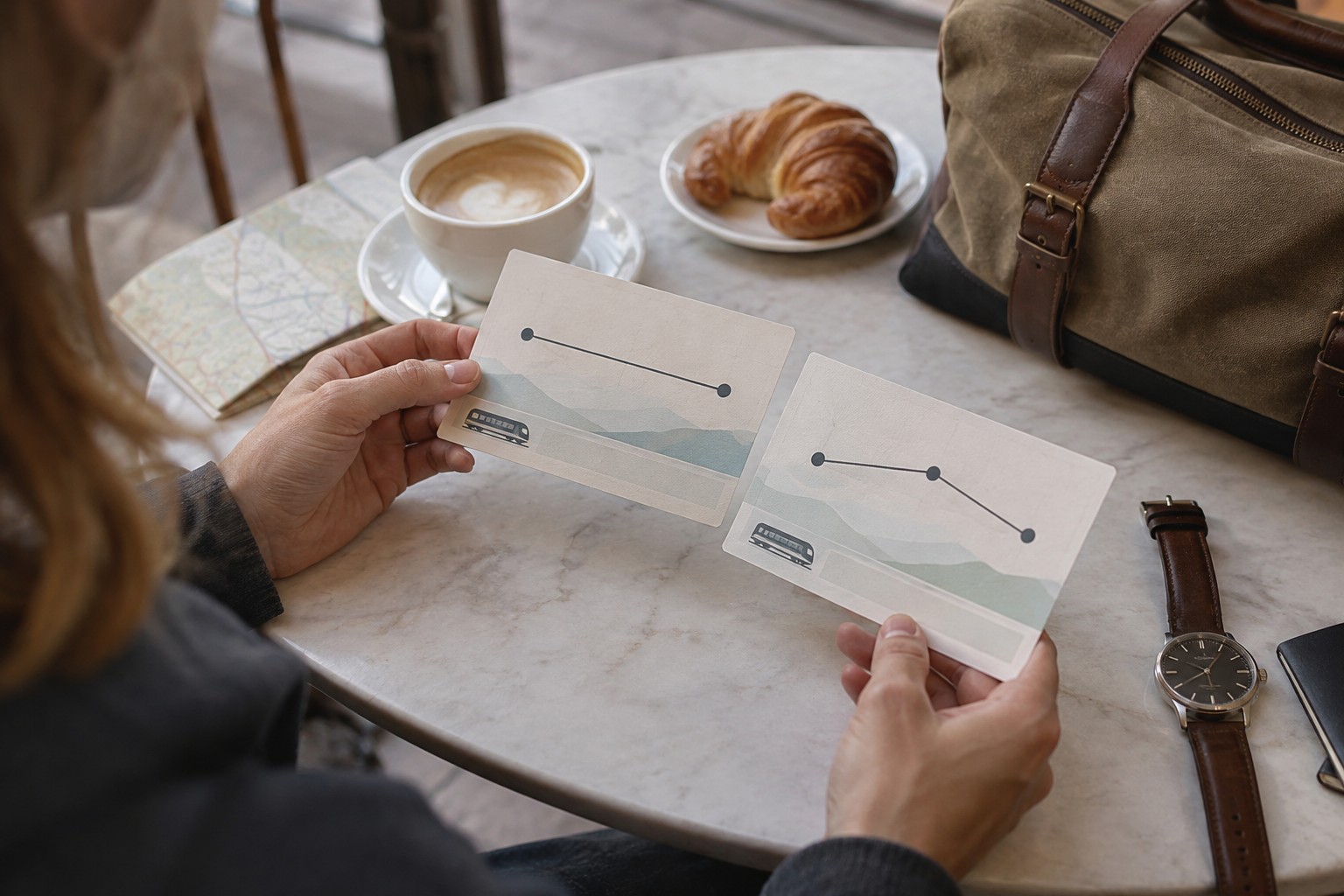
Direct train or connection: comparing the whole journey
A direct train may take longer on the timetable yet make the better journey. Compare more than the minutes between two main stations.
Rail & local transport
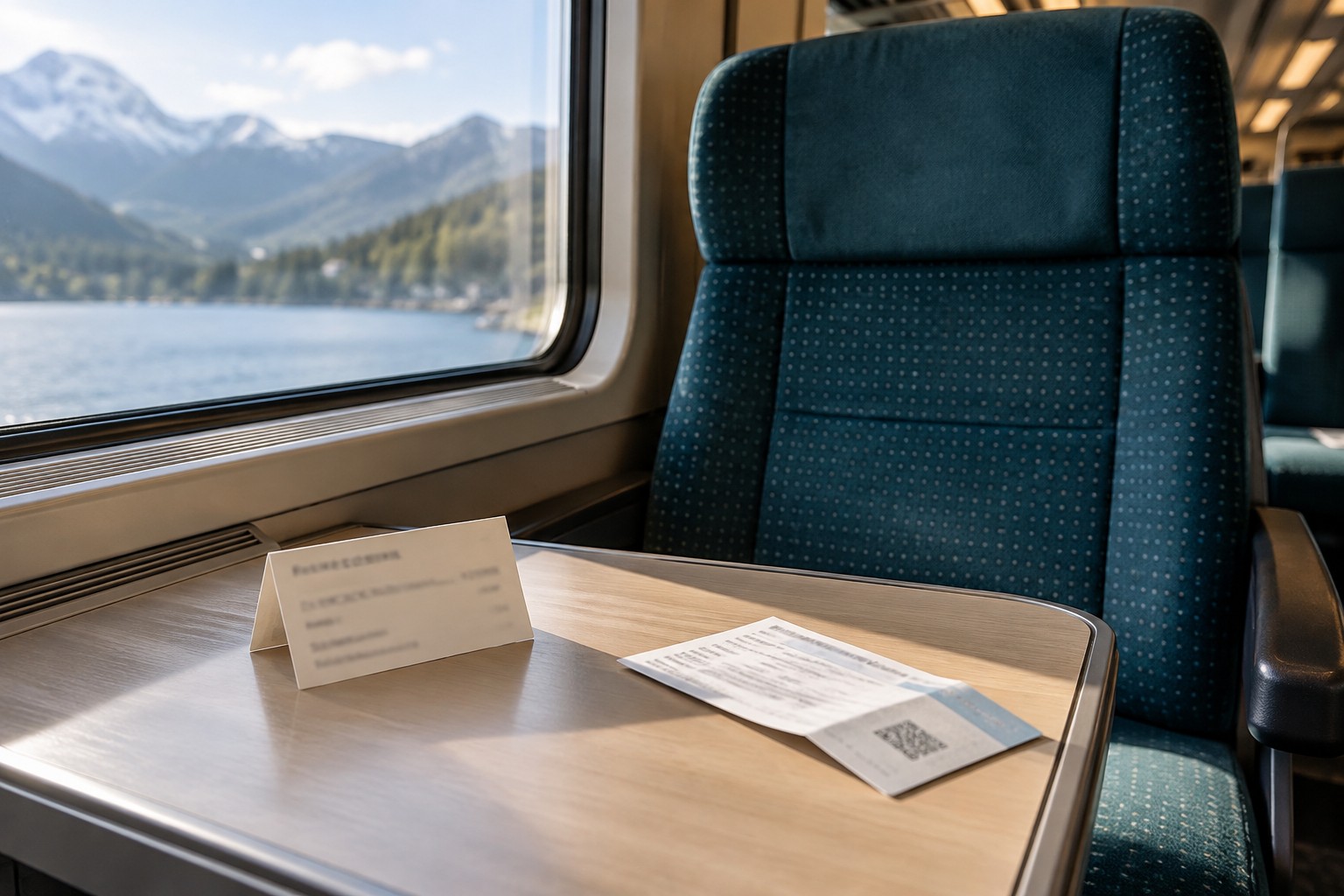
Separating seat reservations from train tickets
A ticket establishes your permission to travel. A reservation allocates a particular place. Both need to match the journey you intend to make.
Rail & local transport
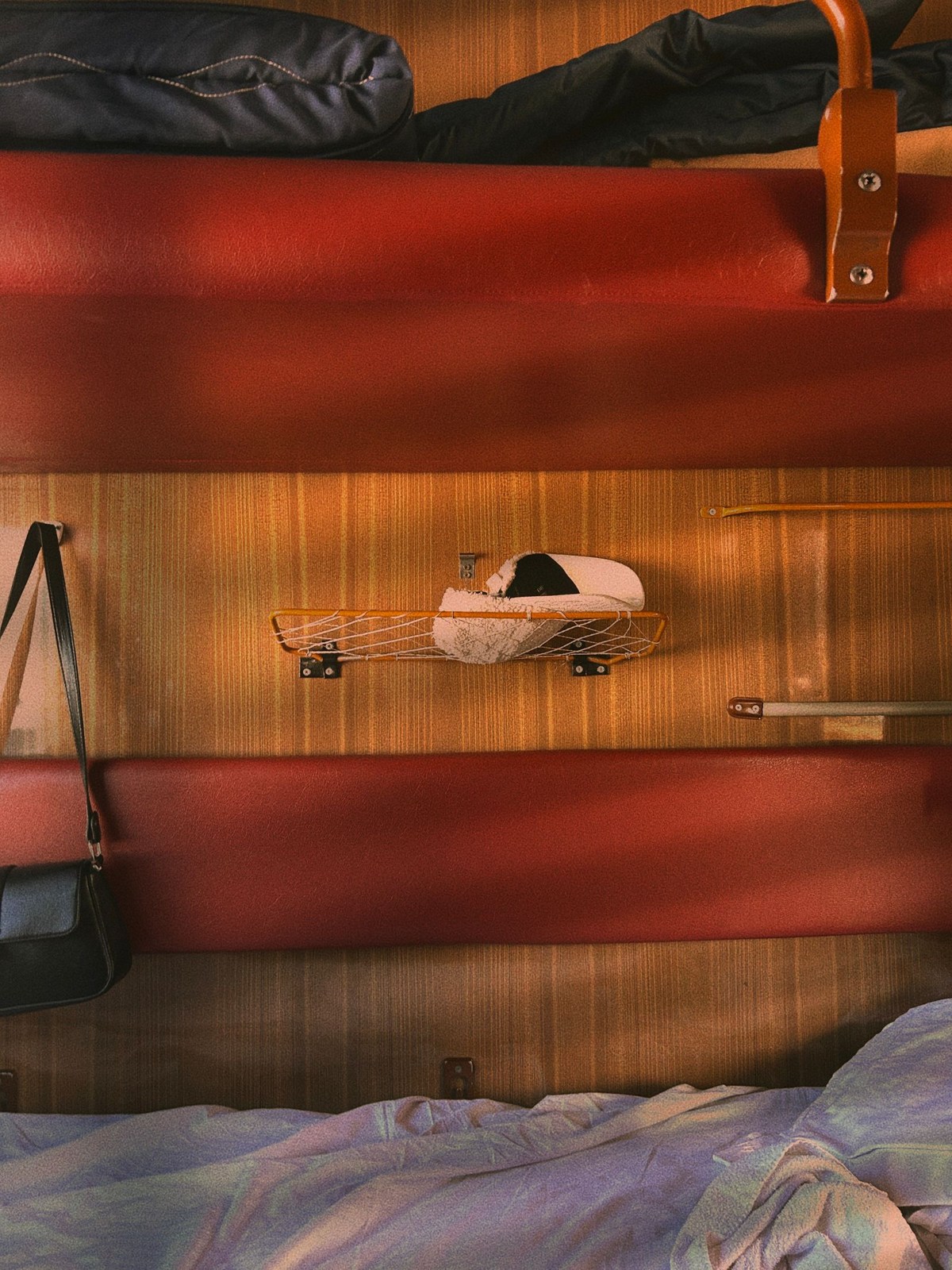
Night trains: choosing seats, couchettes or sleepers
On a night train, the accommodation you book shapes the night. A category name alone does not tell you how private or accessible a particular compartment will be.
Rail & local transport
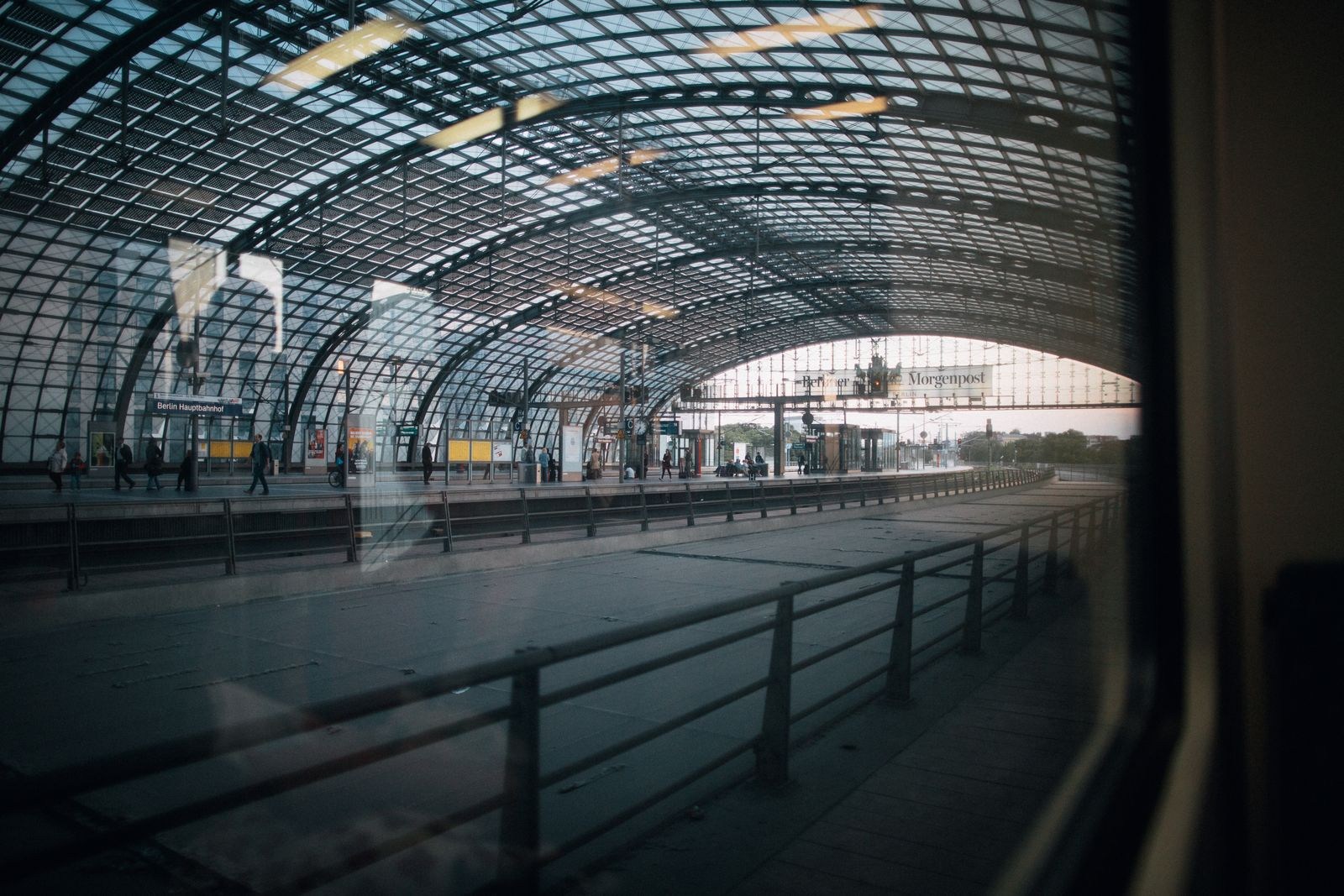
Reading a large station layout before travelling
A station map becomes useful when you reduce it to one particular route. You do not need to memorise the entire building.
Rail & local transport
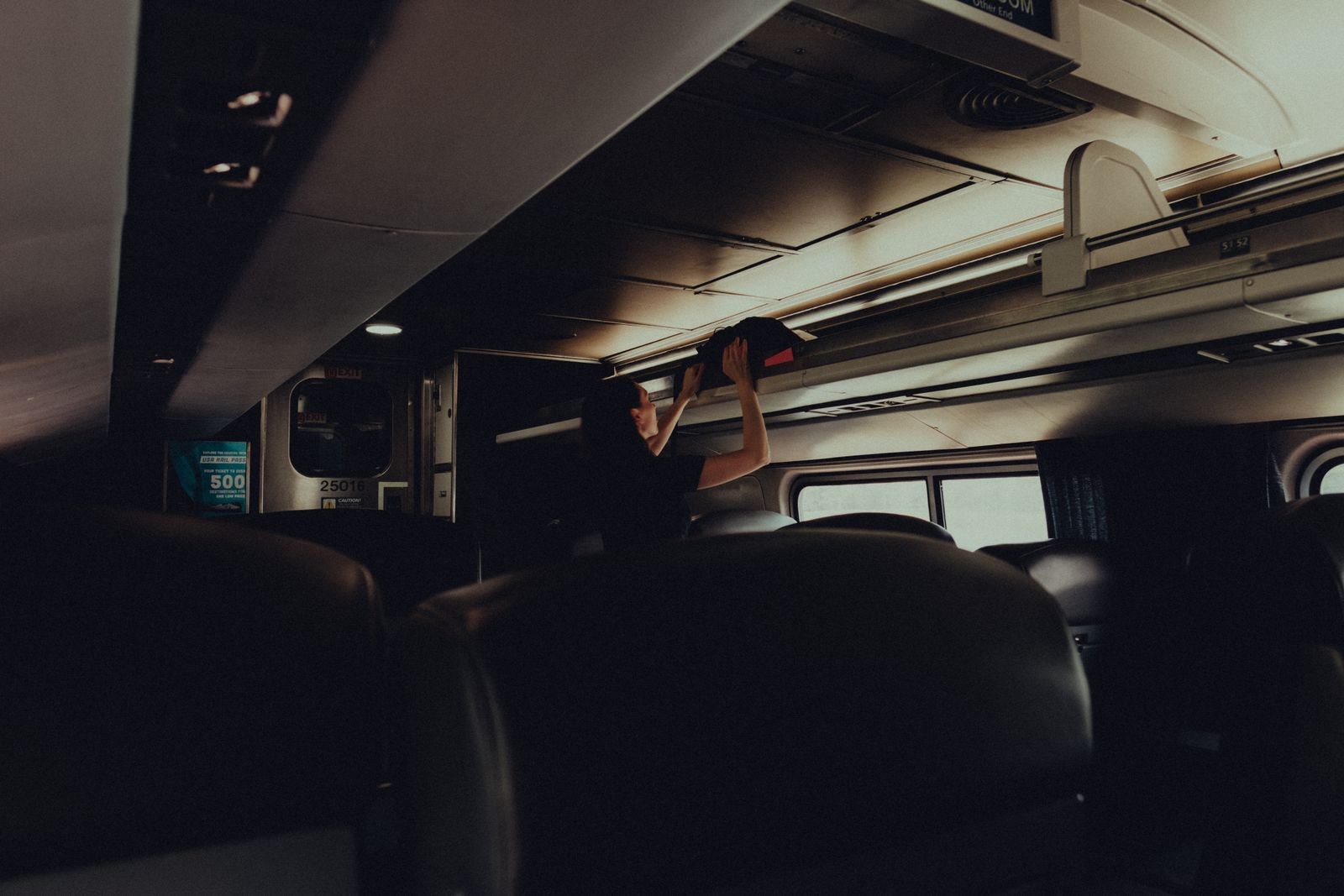
Travelling on busy trains with manageable luggage
On a busy train, suitcase weight is only part of the problem. What matters is whether you can move and store everything without repeated sorting.
Rail & local transport
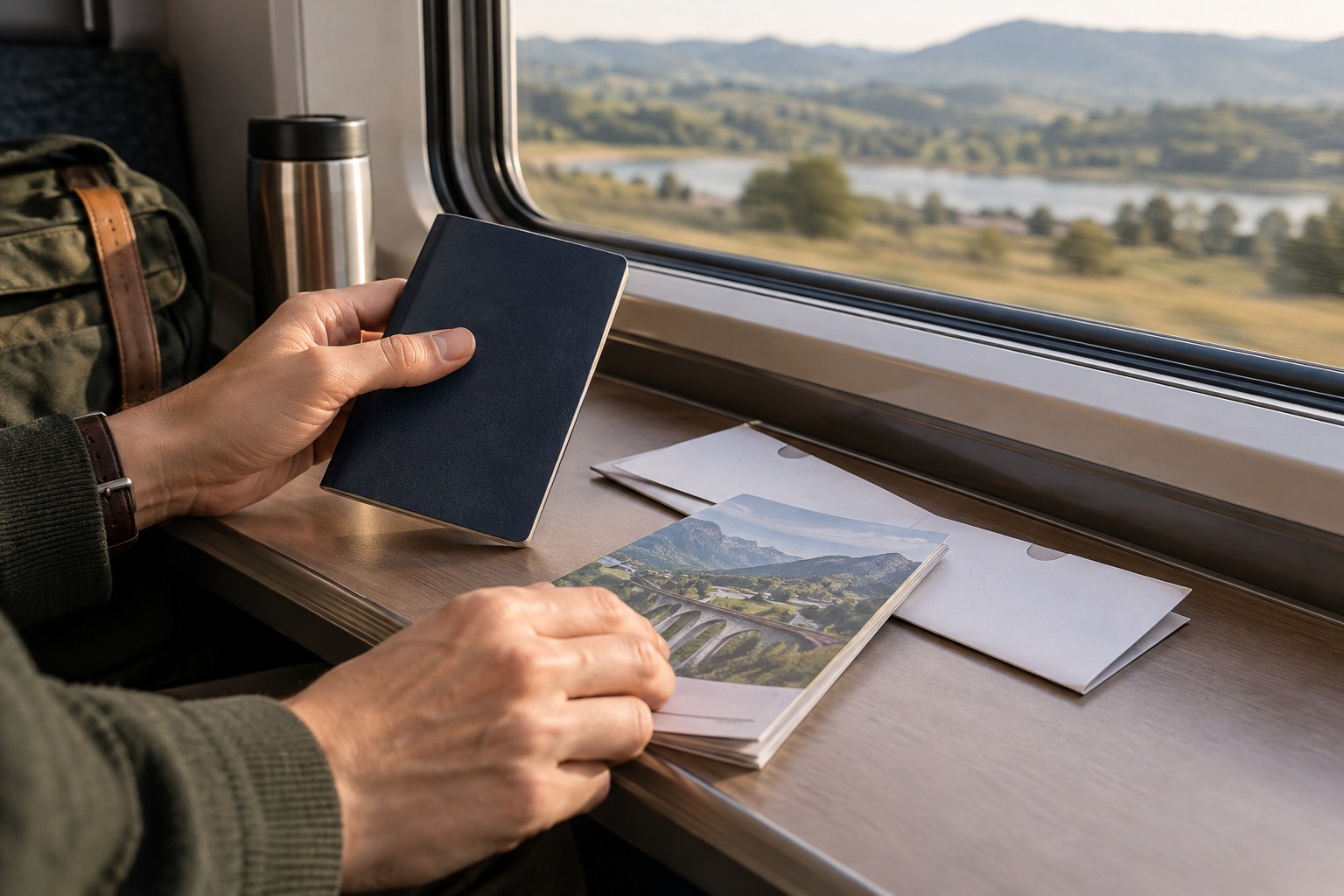
Preparing for a cross-border train journey
An international rail journey can involve several operators, booking systems and stations. A clear list of segments makes it easier to resolve each open question.
Rail & local transport
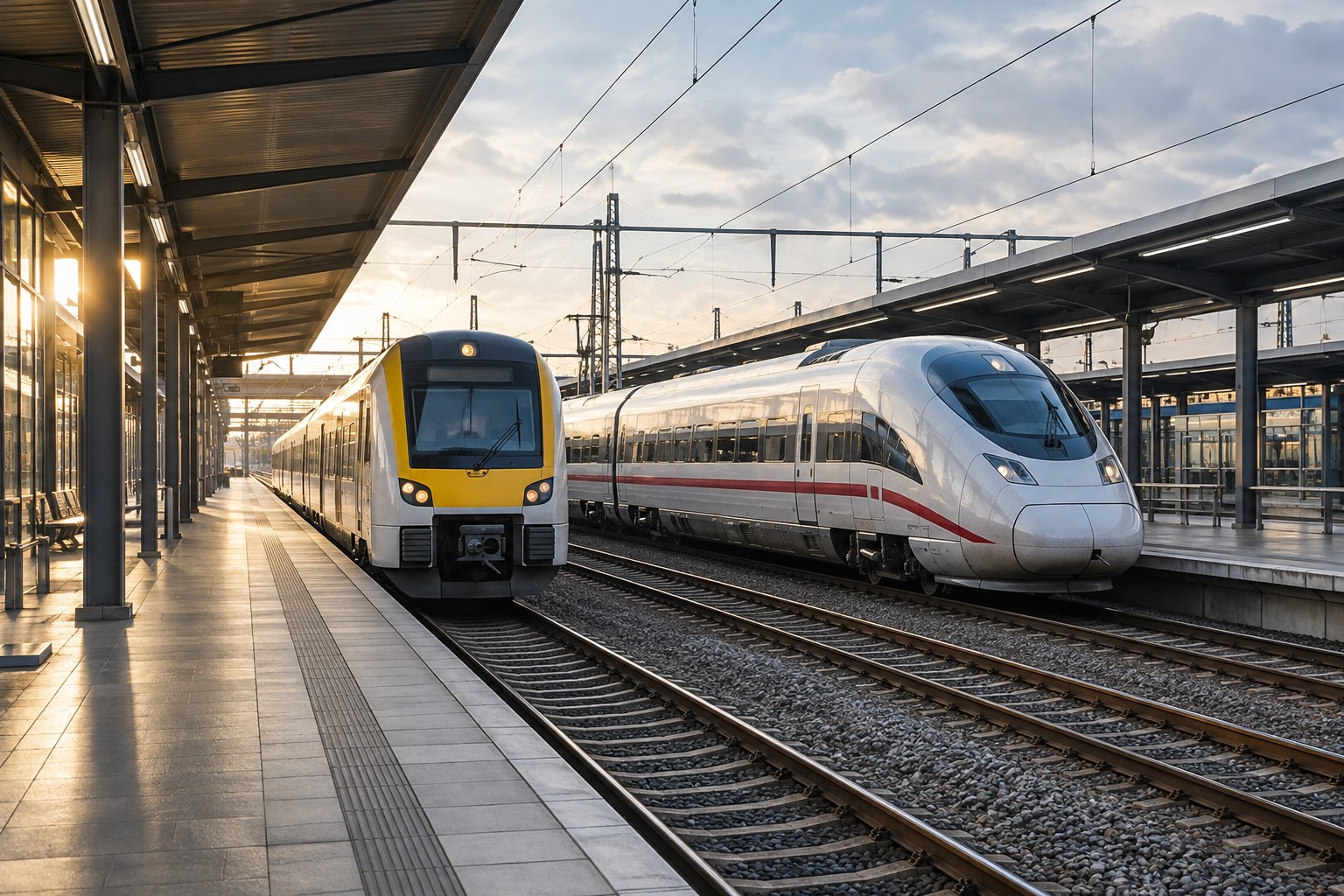
Combining regional and long-distance trains
Regional and long-distance trains can form a useful combined route. The important questions are which ticket covers each leg and how the interchange works.
Rail & local transport
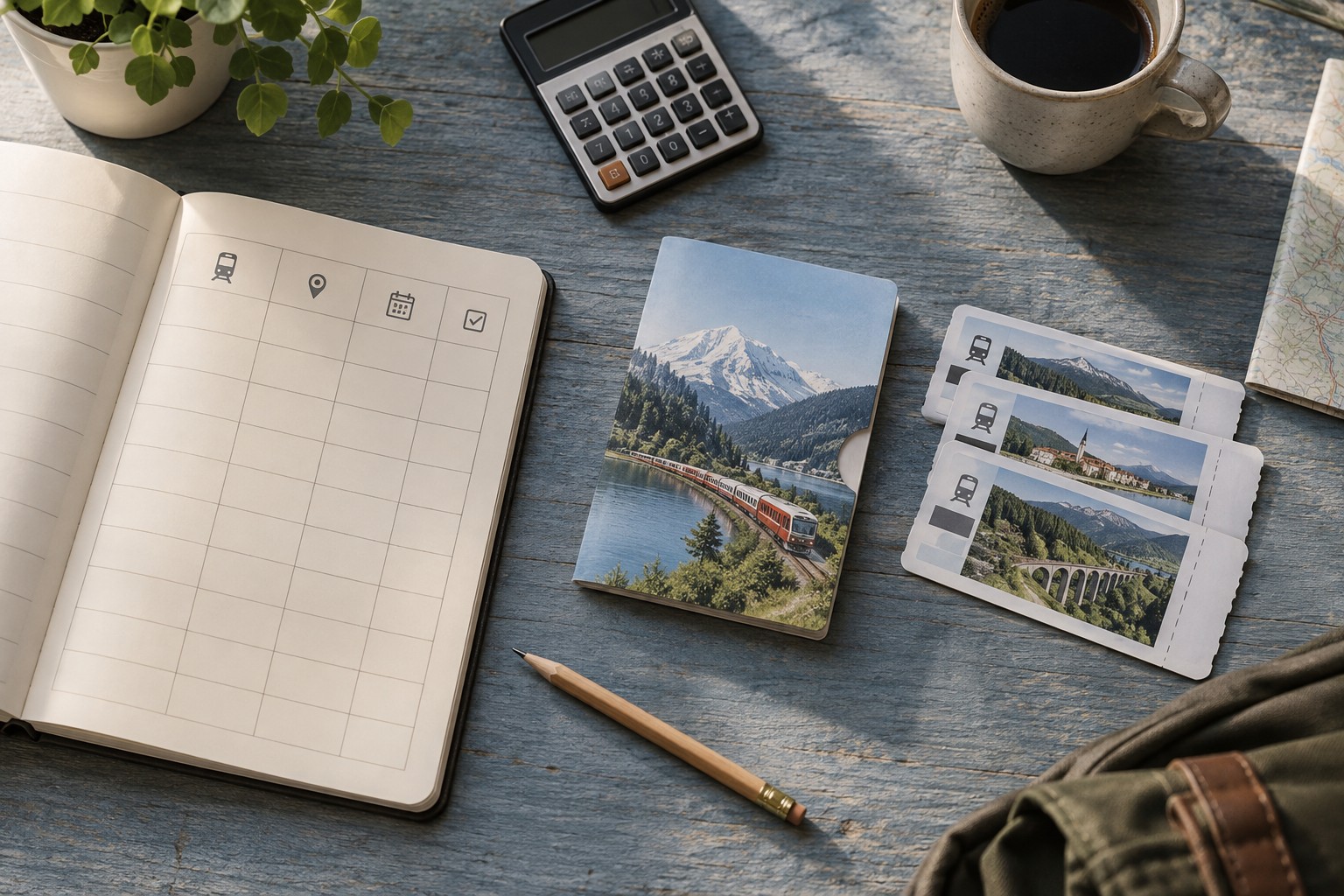
Single tickets or a rail pass: comparing real routes
A rail pass becomes comparable only once you know which journeys you intend to make. The number of countries on a trip is not enough to establish its value.

Rail & local transport
Checking timetable changes and works before departure
A saved timetable is a snapshot. Before travelling, check whether the route, stops and modes of transport still match your booking.
Rail & local transport
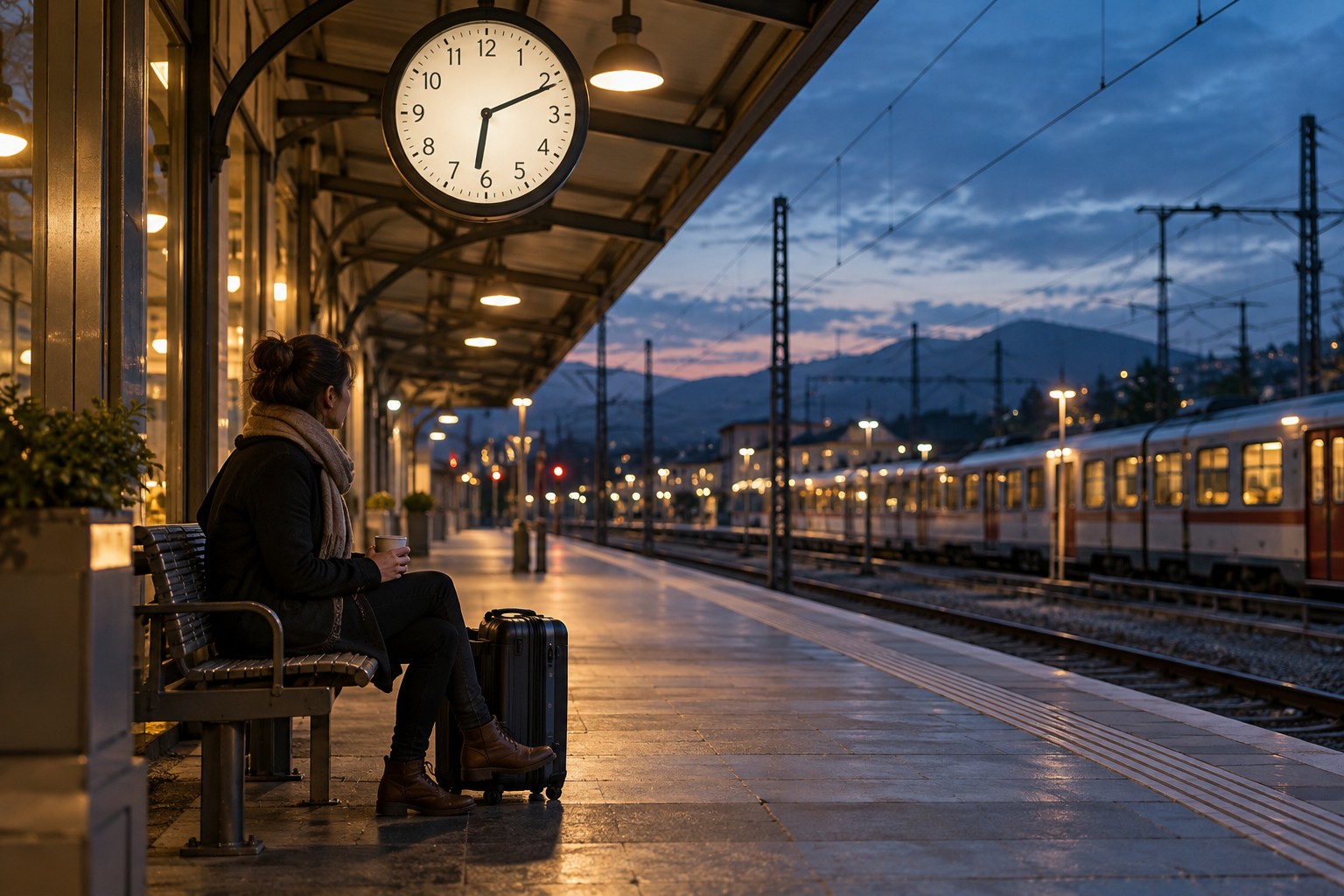
Leaving room before the last connection
The final connection of the day needs a different assessment from one with many later alternatives. The key question is what remains possible if you miss it.
Rail & local transport
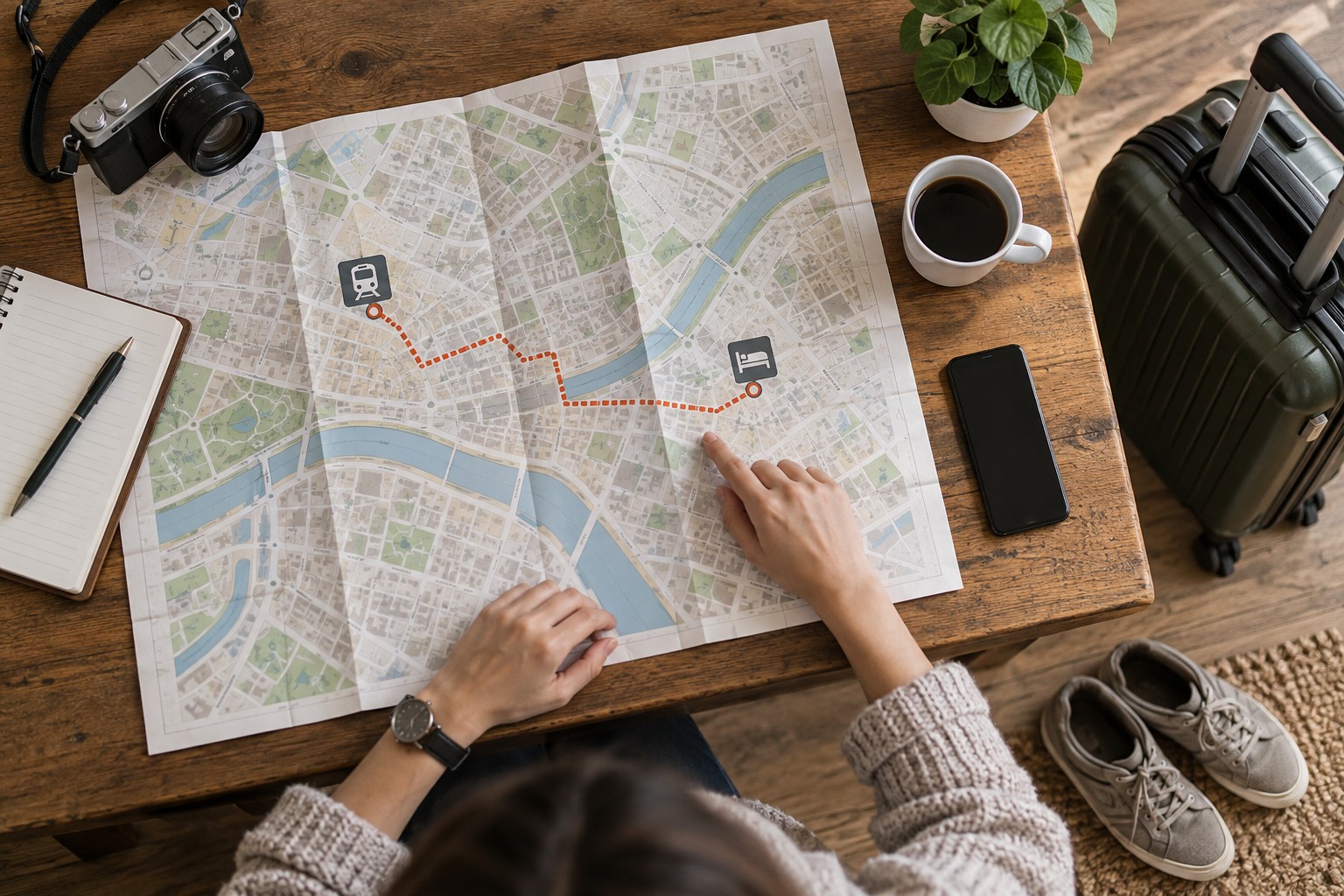
Checking the route from station to accommodation
The last part of a rail journey can contain a surprising number of decisions. Check the route to your accommodation as carefully as the main train connection.
Rail & local transport
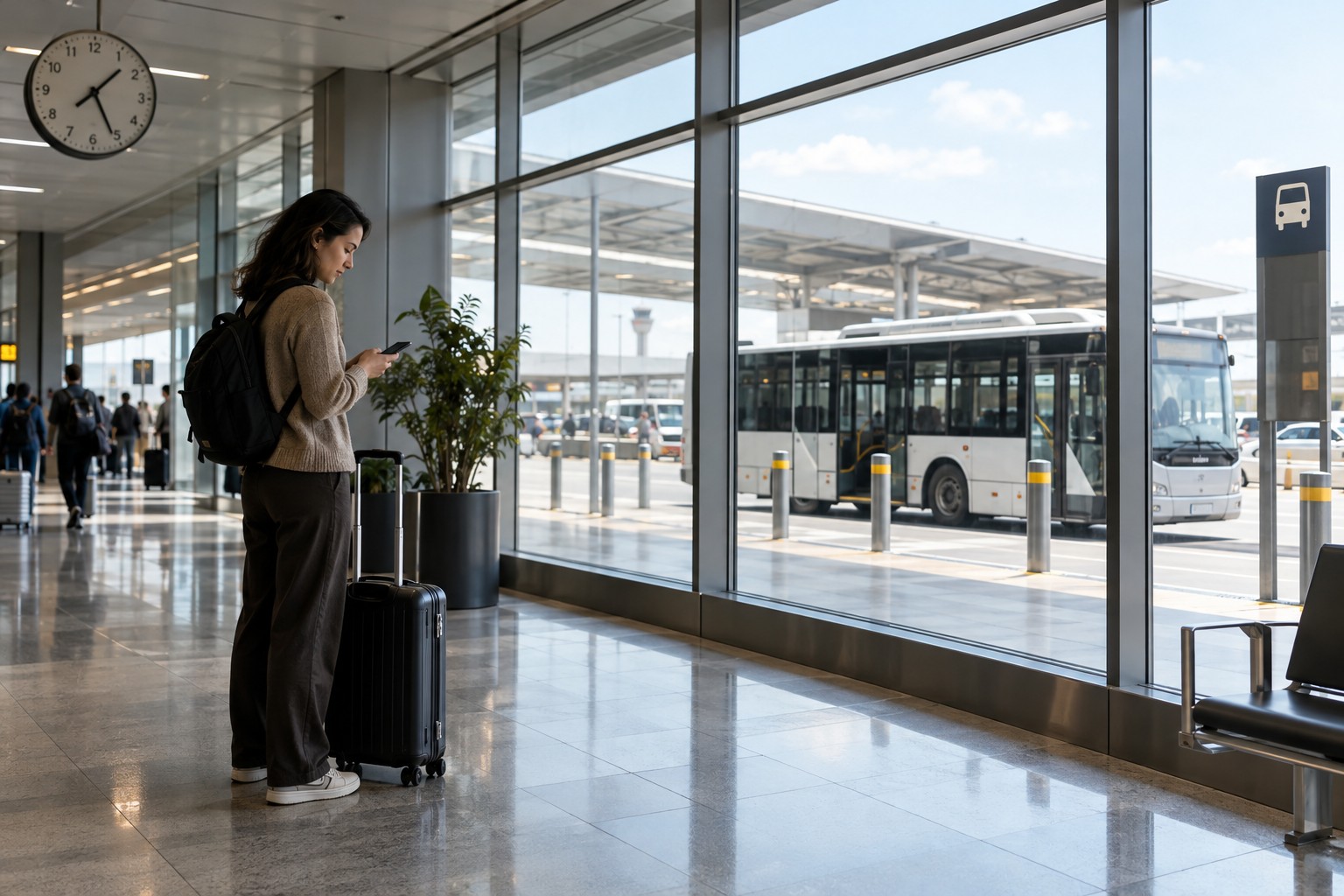
Planning an airport transfer around actual arrival
Several steps separate landing from reaching a station. A suitable airport transfer therefore starts with when you can realistically leave the terminal.
Rail & local transport
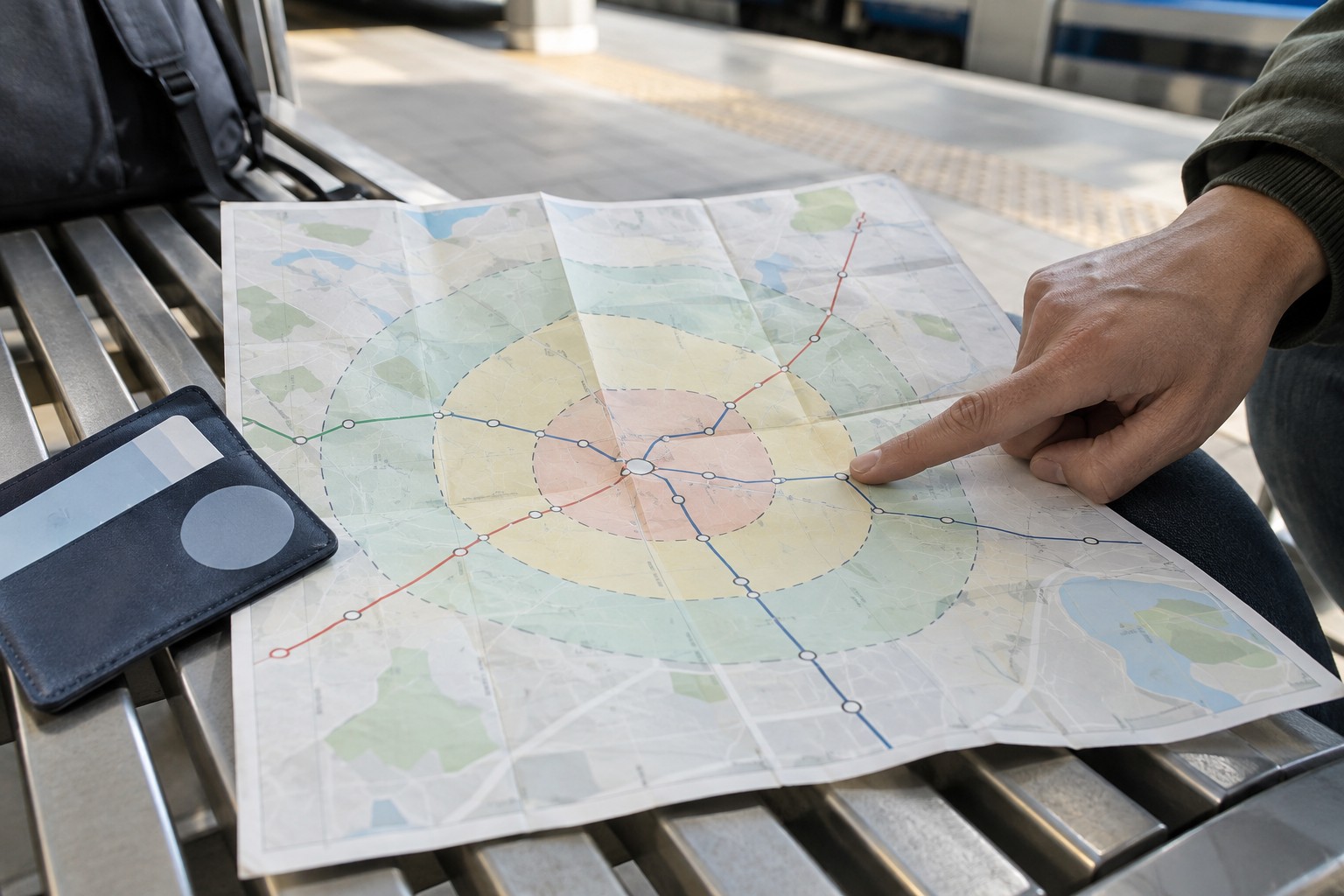
Understanding local transport zones before buying
Fare zones define the geographical coverage of a ticket. The relevant journey is between your actual origin and destination, not simply within the city you are visiting.
Rail & local transport
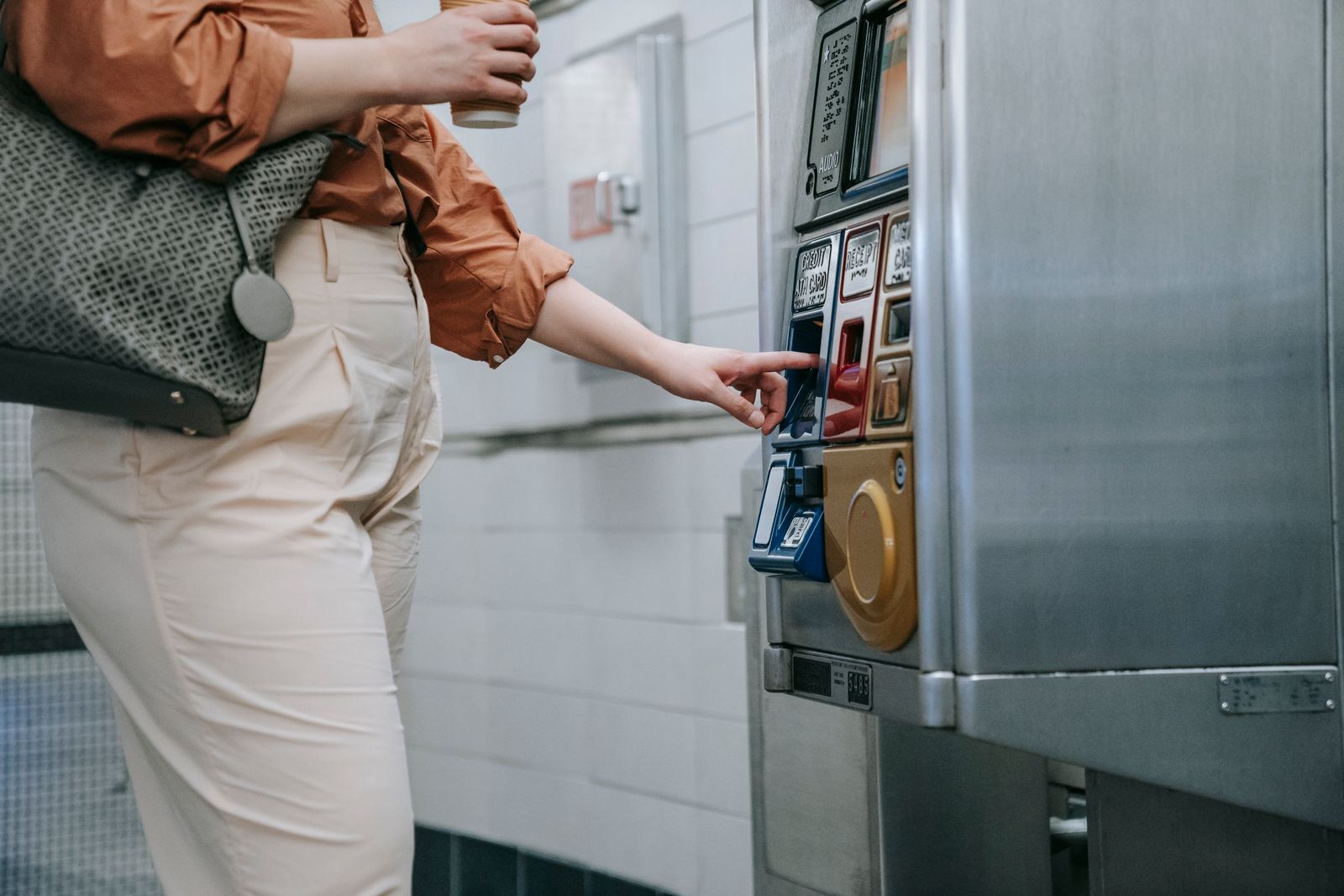
Day pass or single fares for a city visit
A day pass is not automatically the best choice for a city visit. Compare the journeys you expect to make and the period in which you will use them.
Rail & local transport
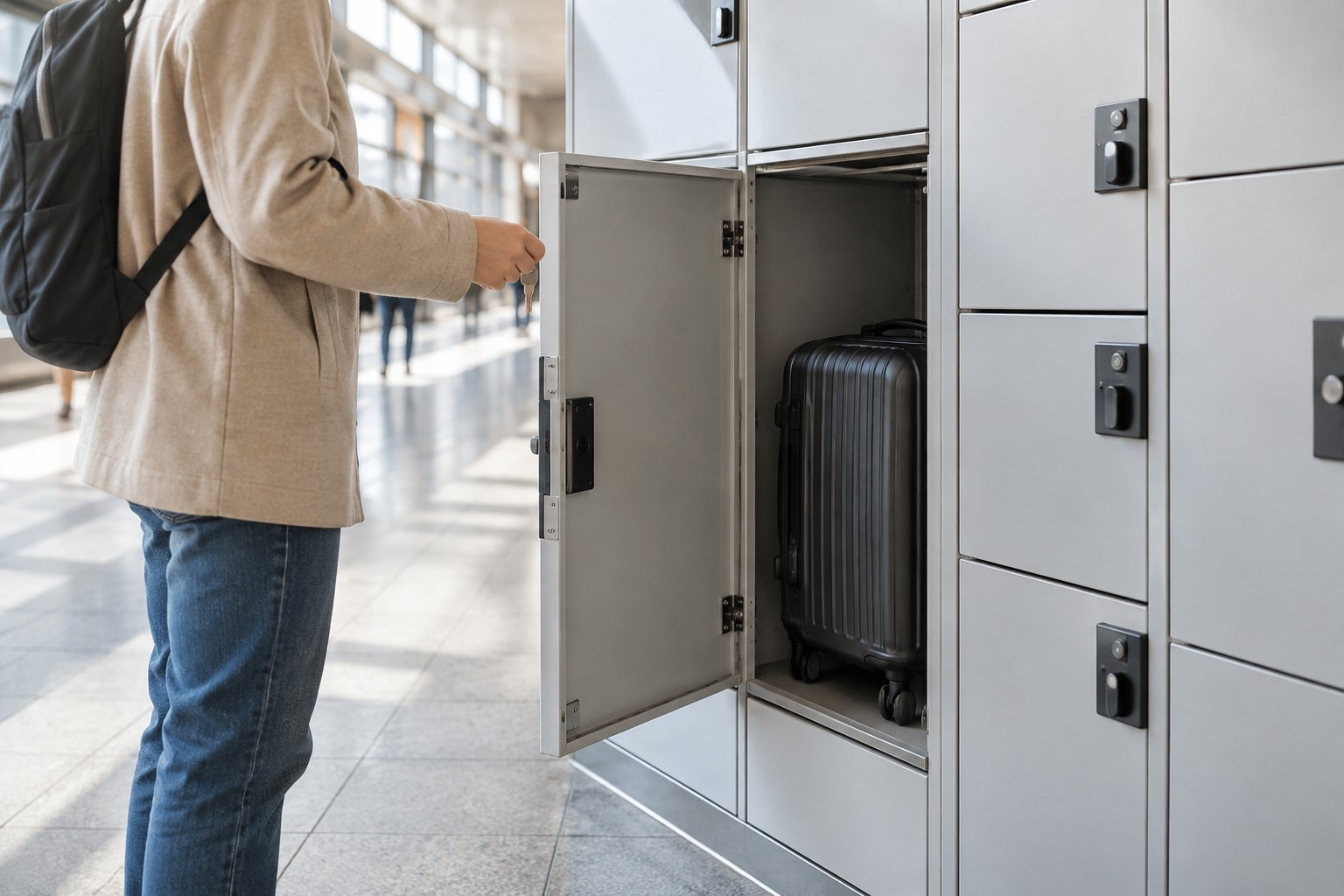
Planning luggage storage on a travel day
Luggage storage can free the hours between checkout and departure for a city visit. The location, capacity and collection time all need to fit the day.
Rail & local transport
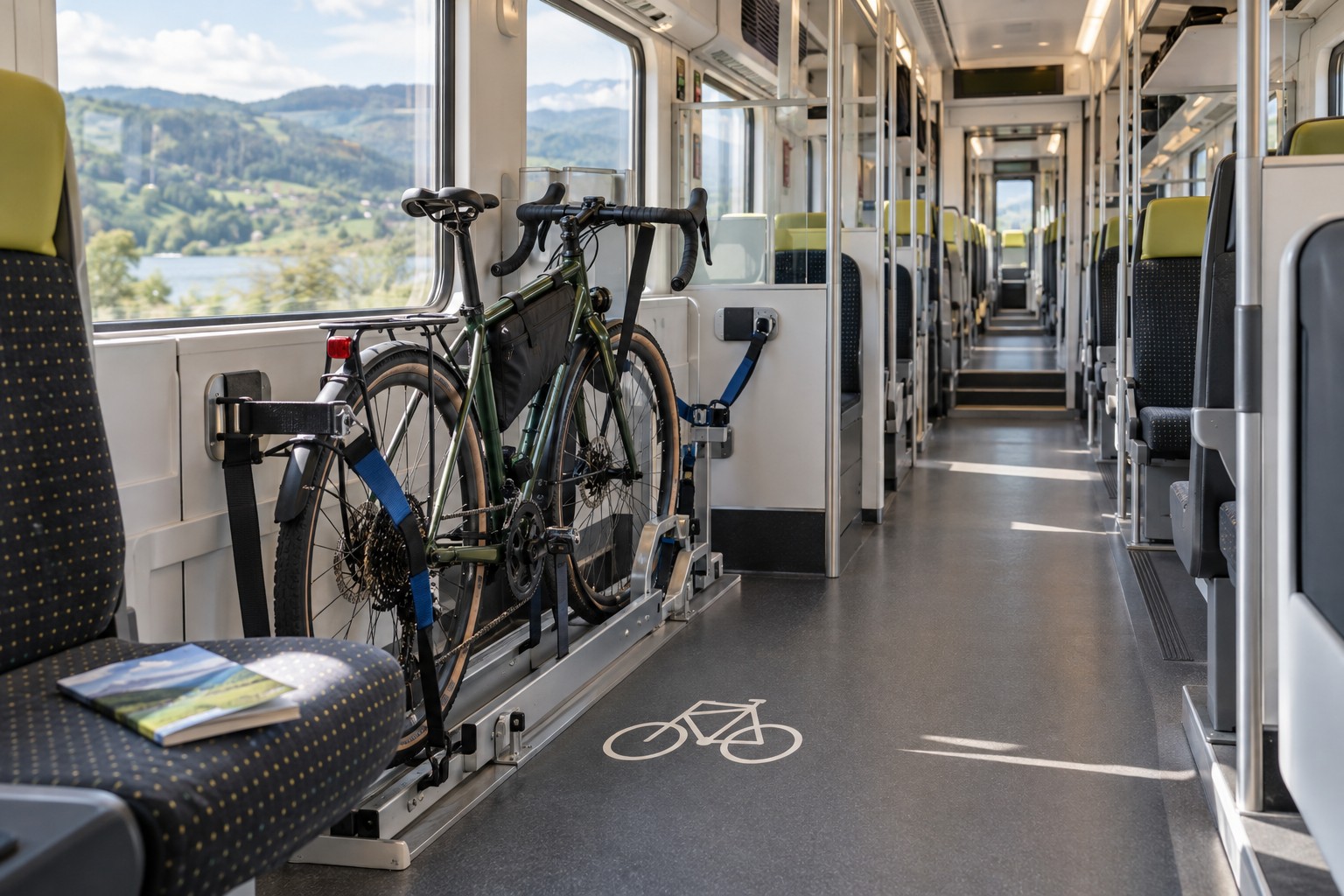
Checking bicycle carriage before booking a train
Your passenger ticket does not settle whether your bicycle can travel. Check space, bicycle type and interchanges before fixing the journey.
Rail & local transport
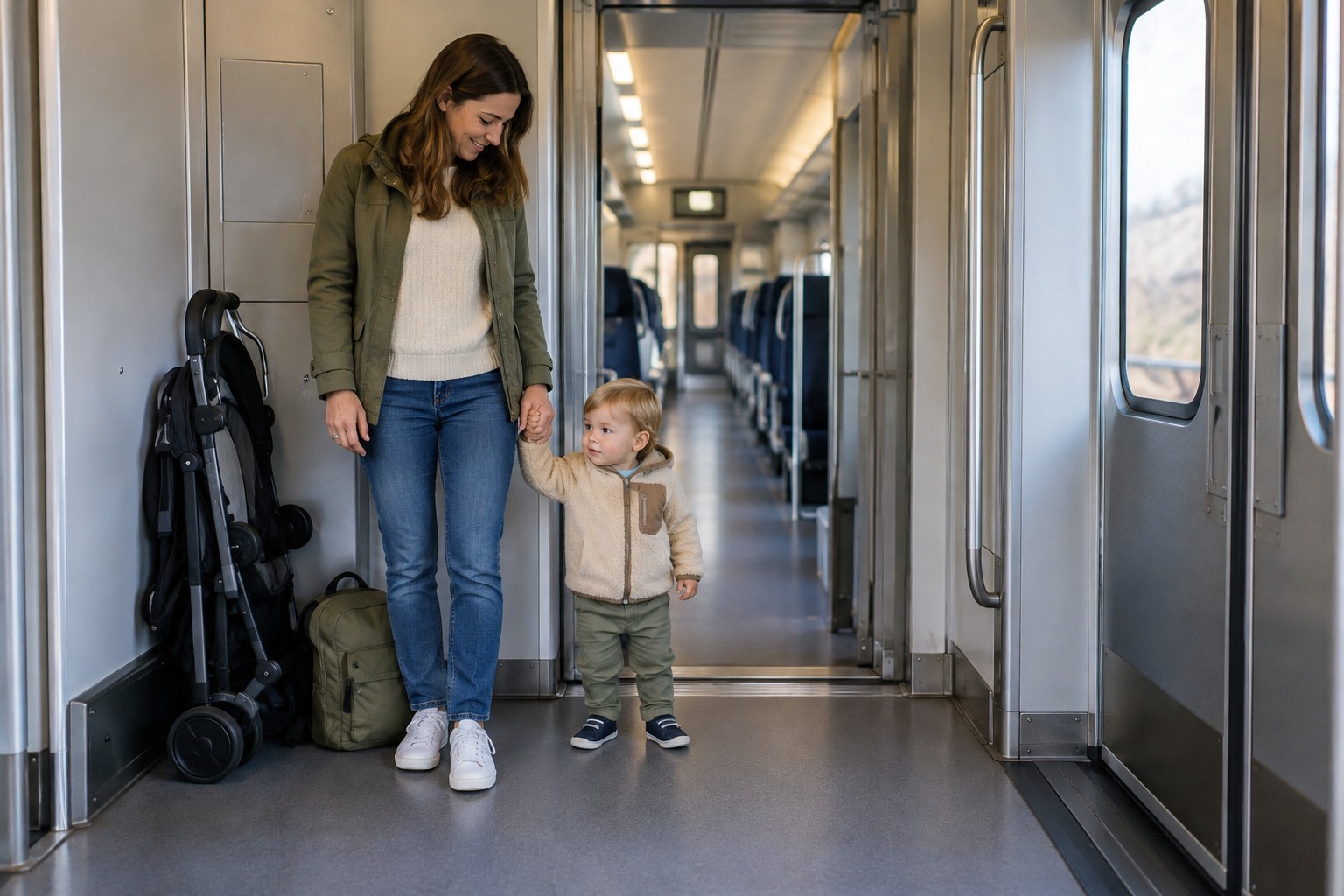
Navigating stations and trains with a pushchair
A rail journey with a pushchair works better when access, storage and luggage form one plan. A family seating area does not resolve every stage by itself.
Rail & local transport
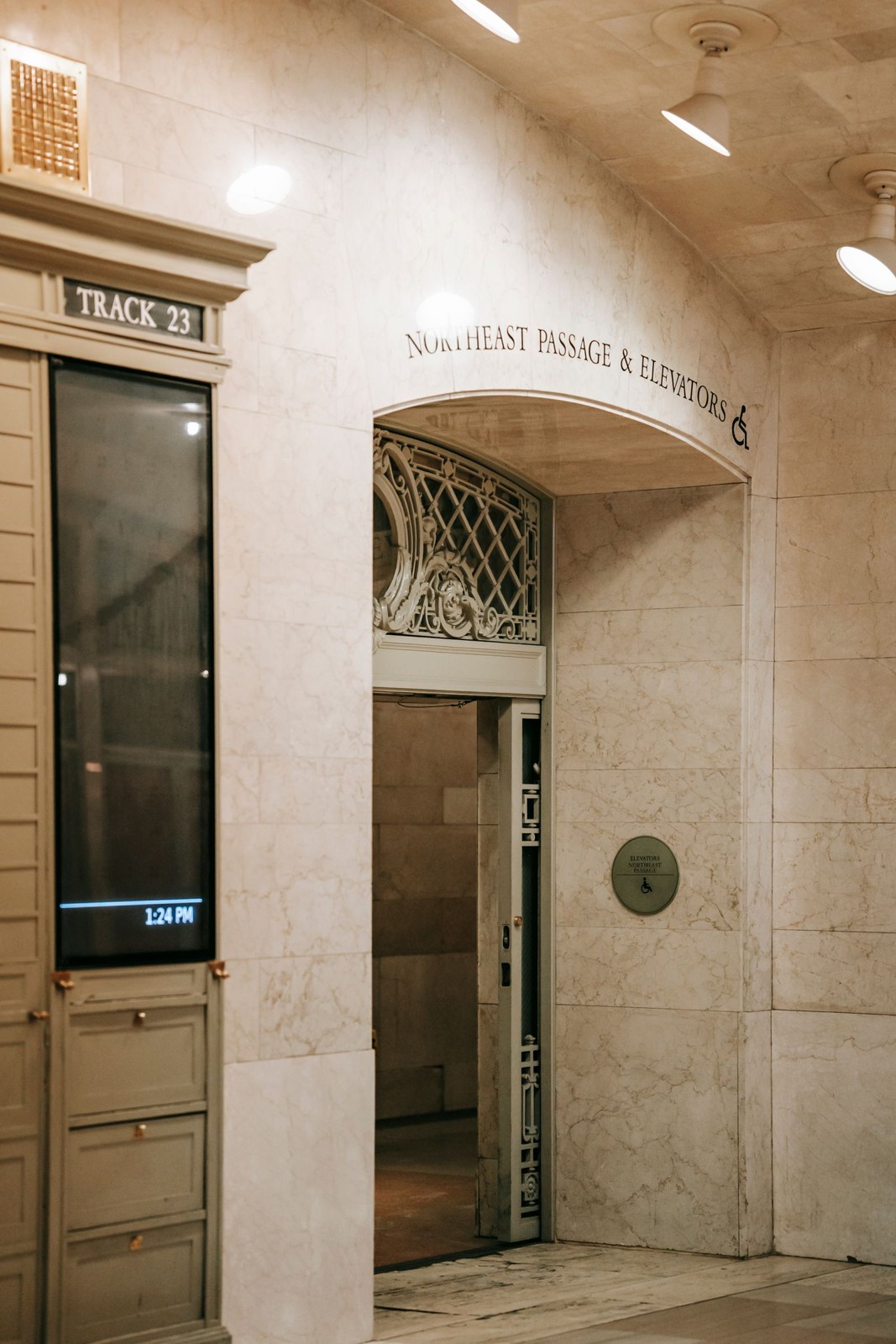
Preparing step-free rail journeys in detail
A step-free rail journey is a chain of transitions. Station access, platforms, boarding and the final route must each fit the traveller's requirements.
Rail & local transport
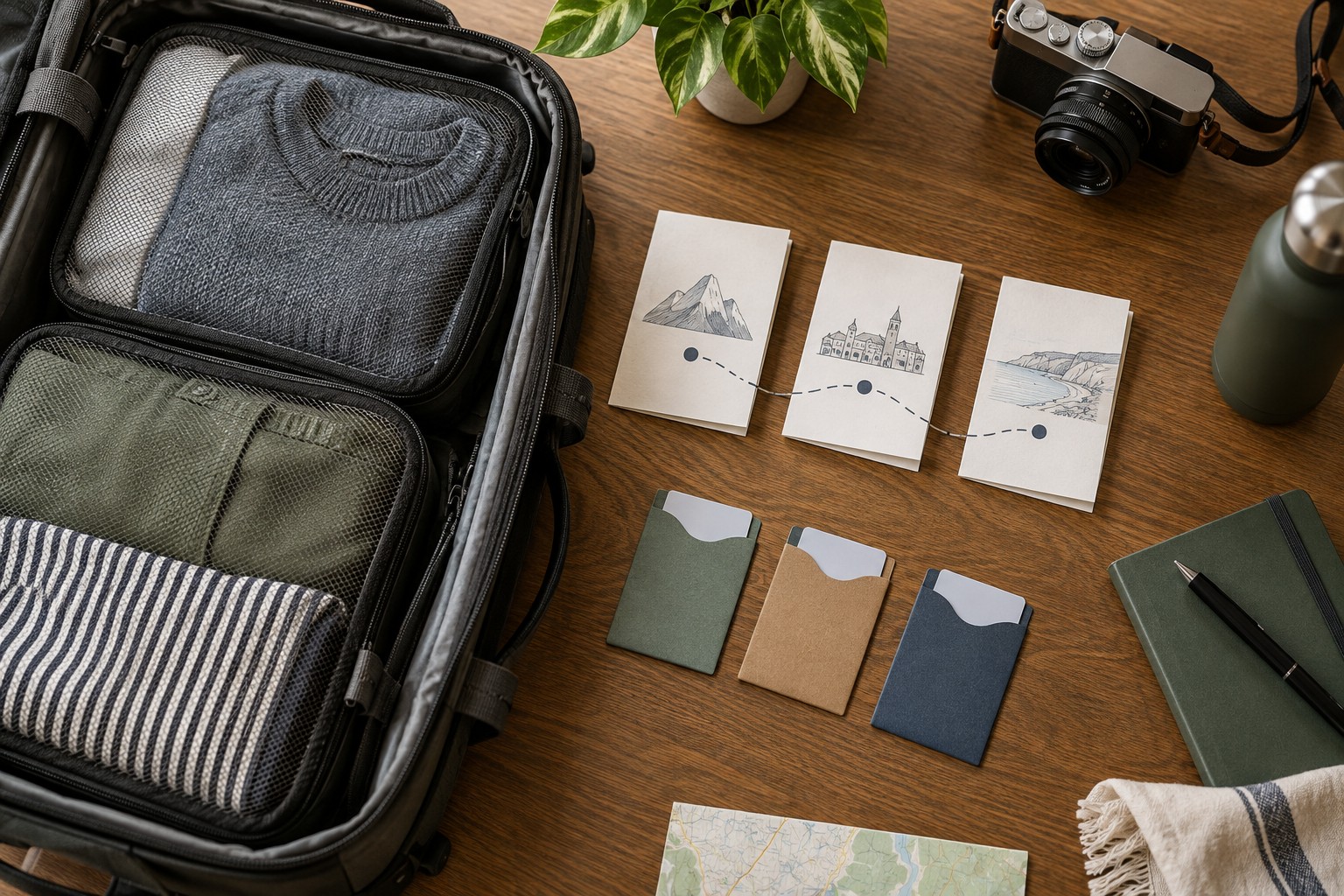
Organising a rail trip with several overnight stops
A rail trip with several overnight stops becomes clearer when each move has a purpose. The sequence should fit both the journeys and the time spent in each place.

Rail & local transport
Planning a ferry trip within a city break
A ferry can connect parts of a city visit or become an activity in its own right. The pier, return route and actual service need to fit your day.

Rail & local transport
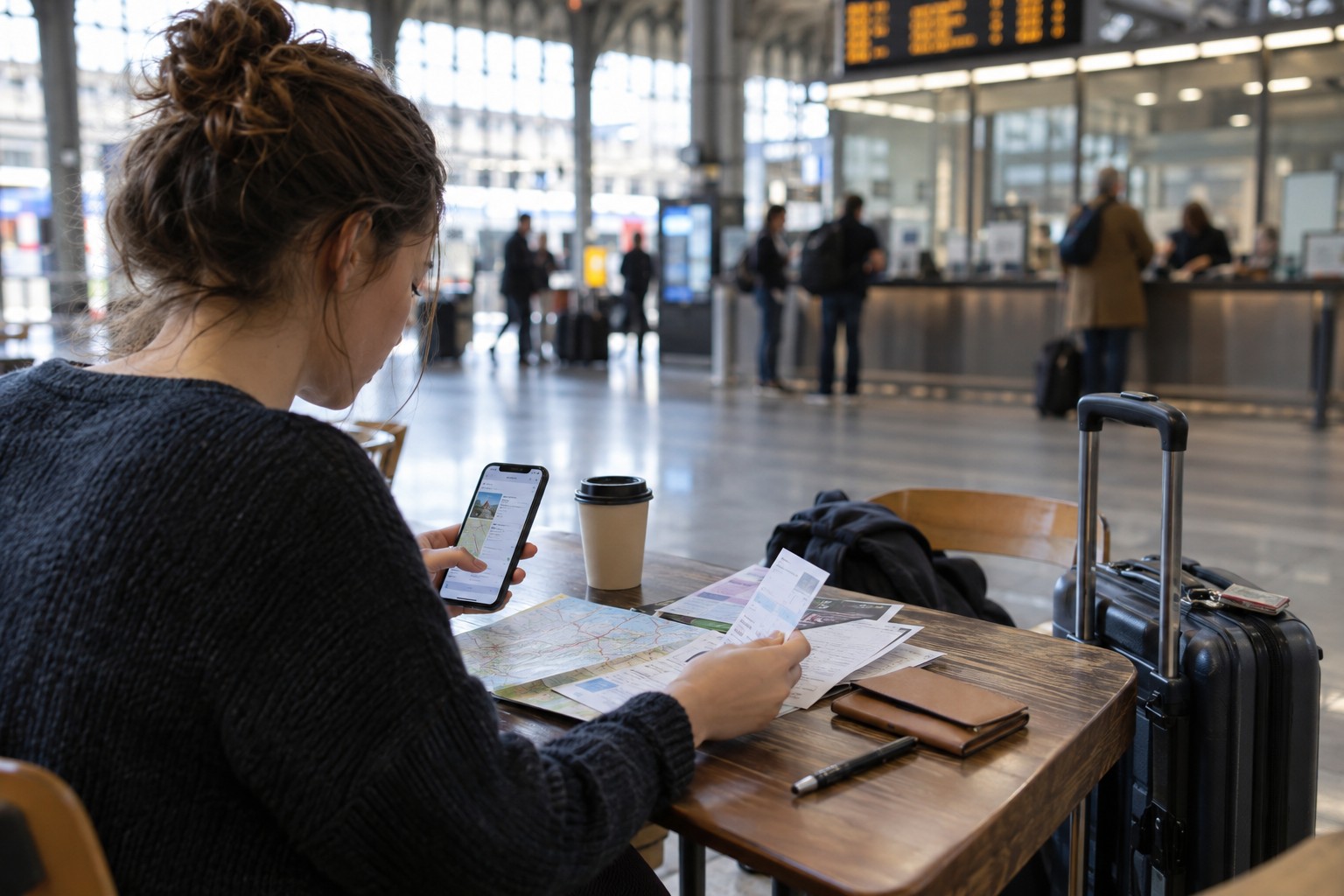
Saving offline documents for a travel day
On a travel day, the correct documents need to remain accessible without an internet connection. A saved picture is not a valid substitute for every ticket.
Rail & local transport
Organising the next steps after a train cancellation
After a cancellation, a clear assessment and targeted questions are more useful than several competing replacement plans. First establish exactly which service is affected.
Rail & local transport
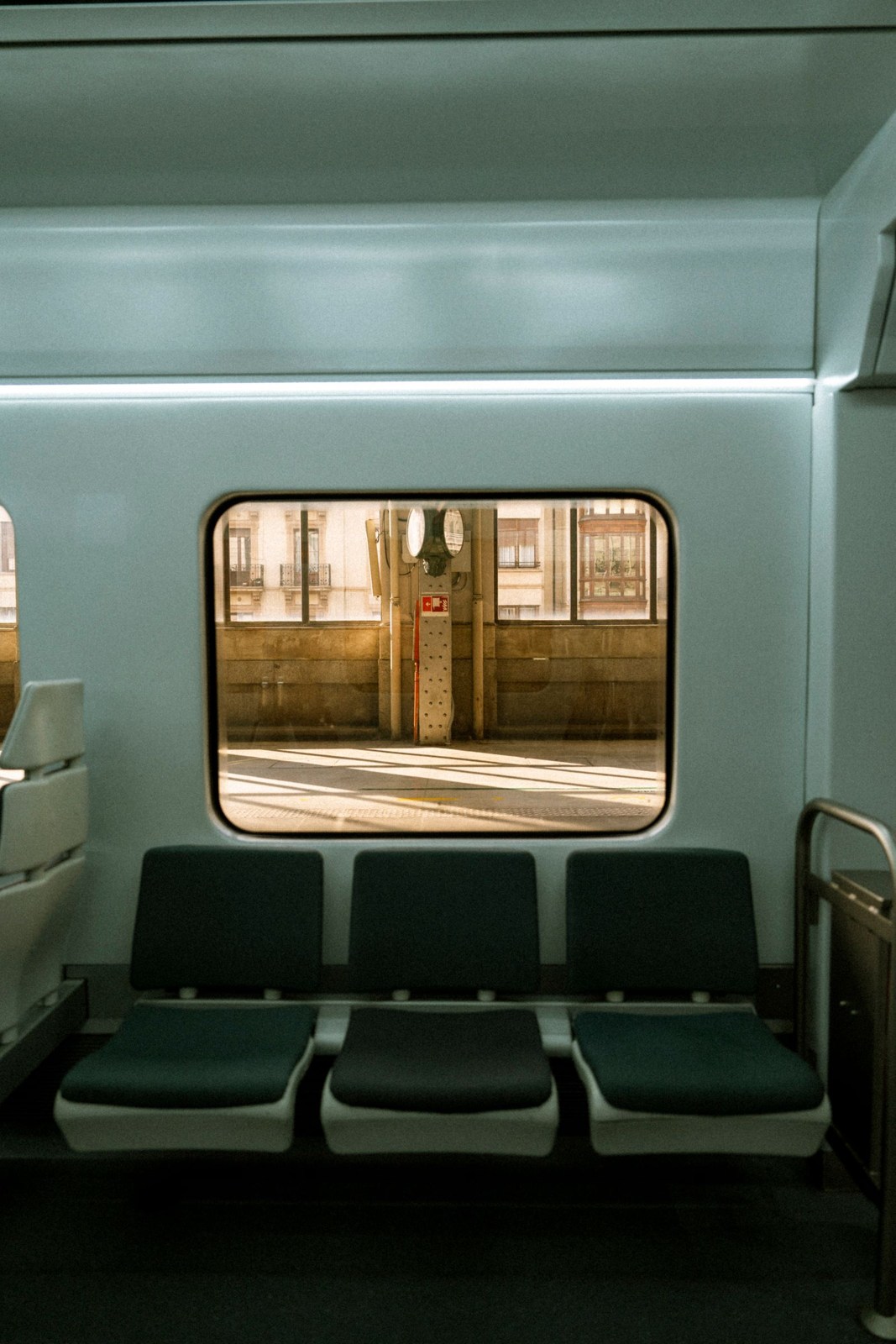
Choosing train seats for work, views or quiet
The right seat depends on what you want to do during the journey. Views, work and quiet each place different demands on location and surroundings.
Trip planning
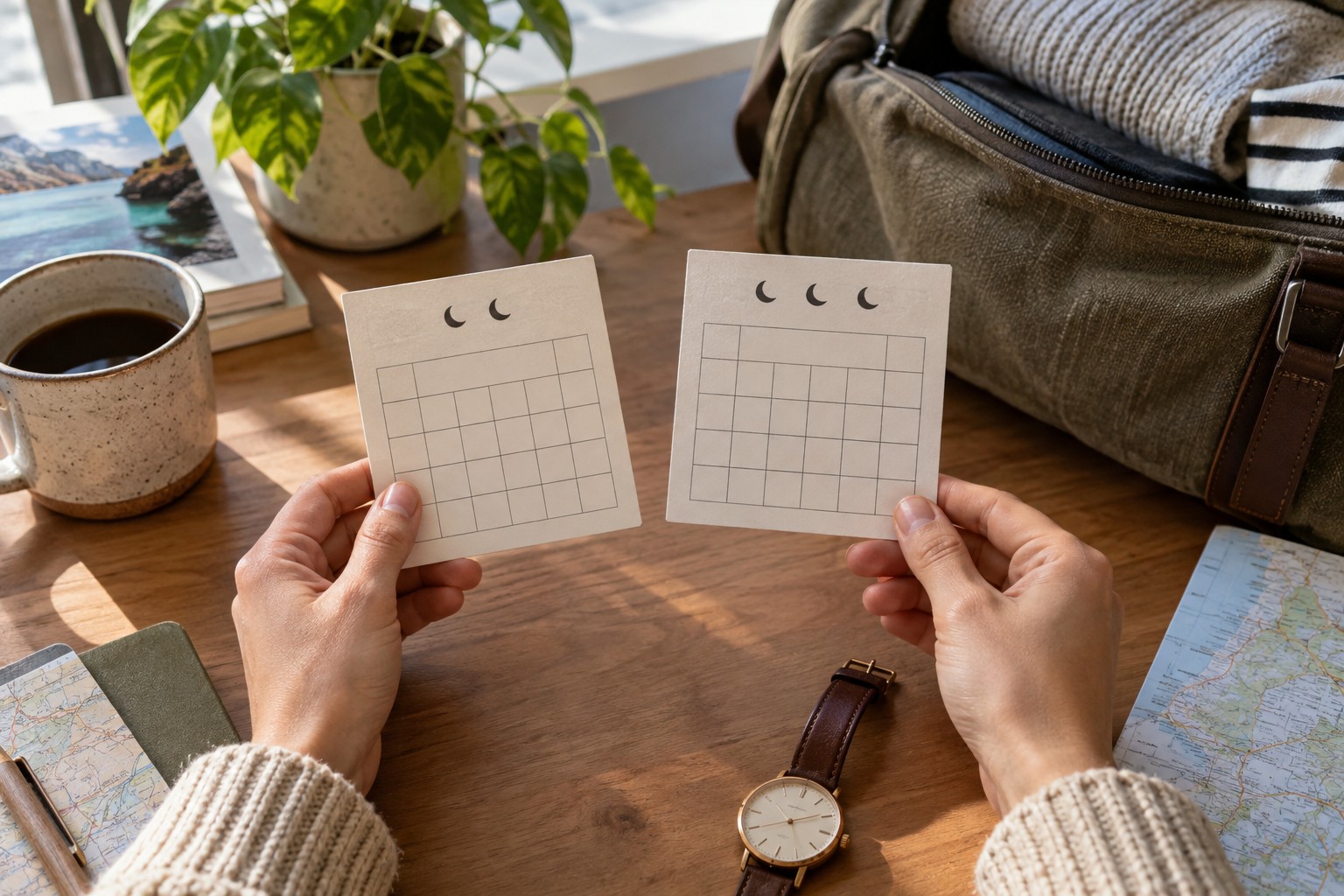
Two nights or three: calculating usable time
Two nights can mean one full day or almost two days at the destination. The useful time between arrival and departure is what matters.
Trip planning
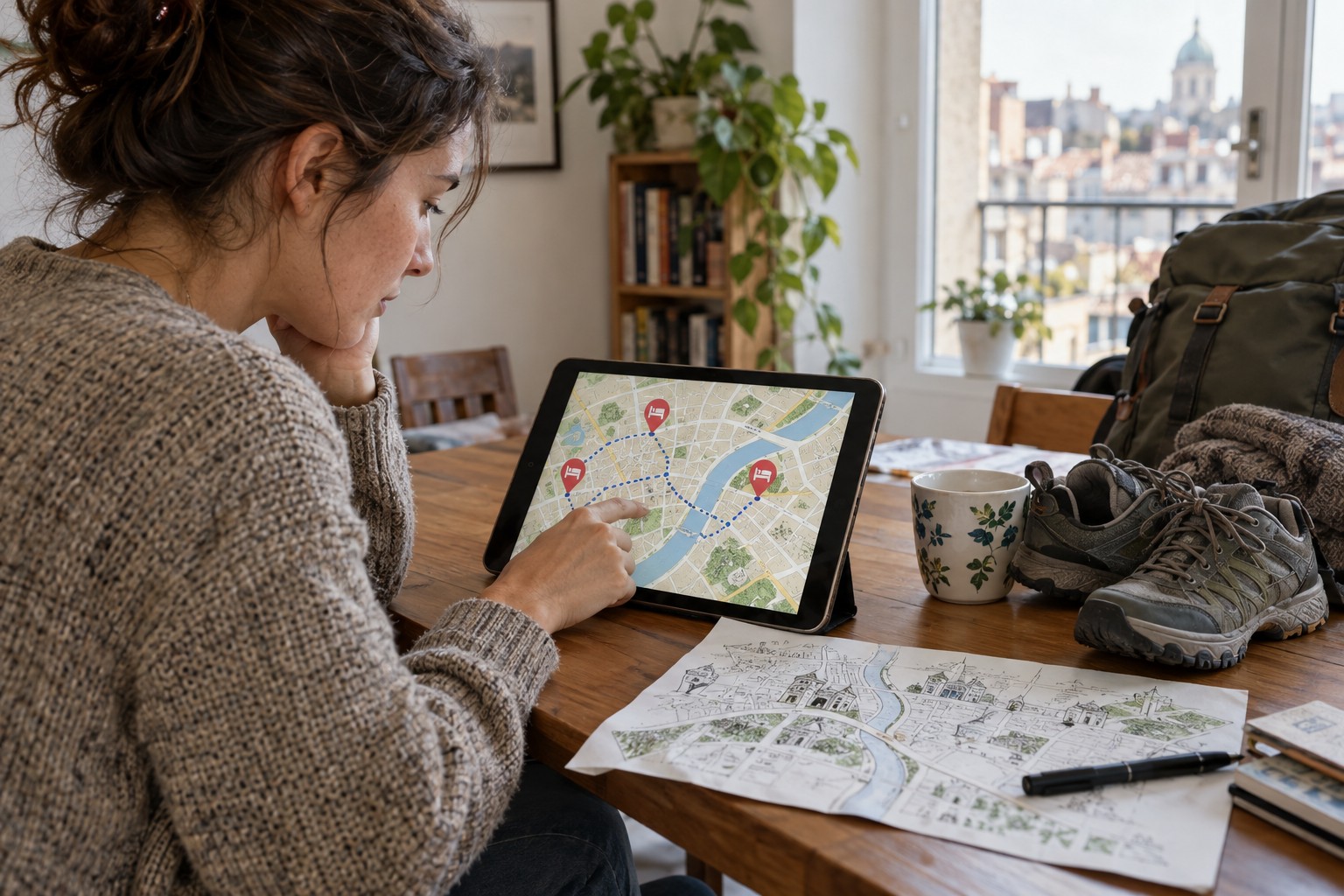
Choosing accommodation by routes rather than distance alone
A central address is not automatically the best base. Assess accommodation through the journeys you will actually make during the visit.
Trip planning
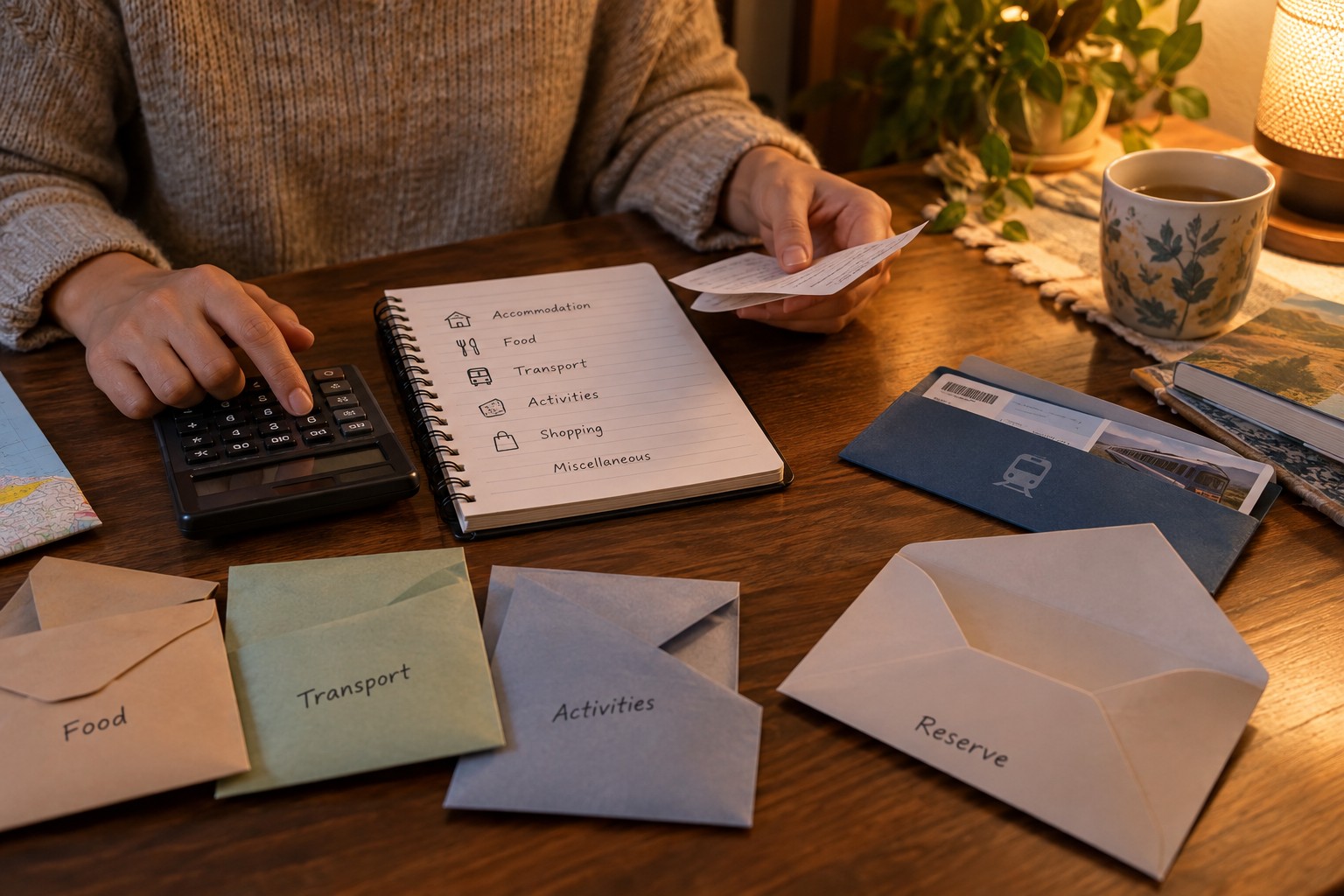
Building a travel budget with room for changes
A travel budget becomes easier to use when fixed bookings, daily spending and a contingency are visible separately. The cheapest individual booking does not describe the total cost.
Trip planning
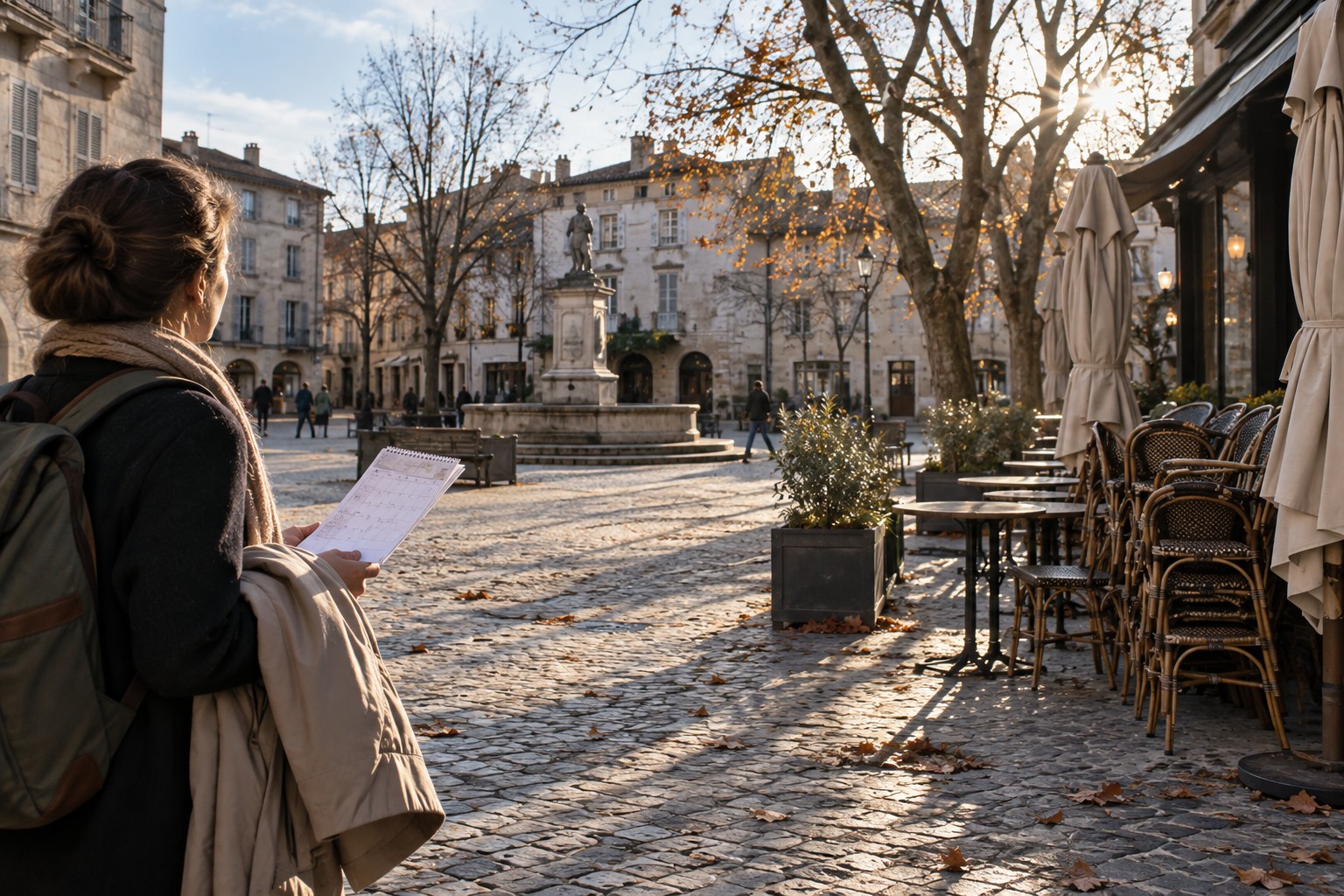
Judging shoulder season by daylight and opening days
Shoulder season can support a different kind of trip, but it is not one uniform promise. Check daylight, opening days and transport for the actual dates.

Trip planning
Building rainy-day alternatives into a trip
A rainy-day plan works better as a small replacement route than a long list of indoor spaces. It should fit your location, interests and available time.

Trip planning
Planning a multi-city trip without daily packing
You can visit several cities without changing accommodation for every one. Decide which destinations need their own overnight stay and which work from a shared base.
Trip planning
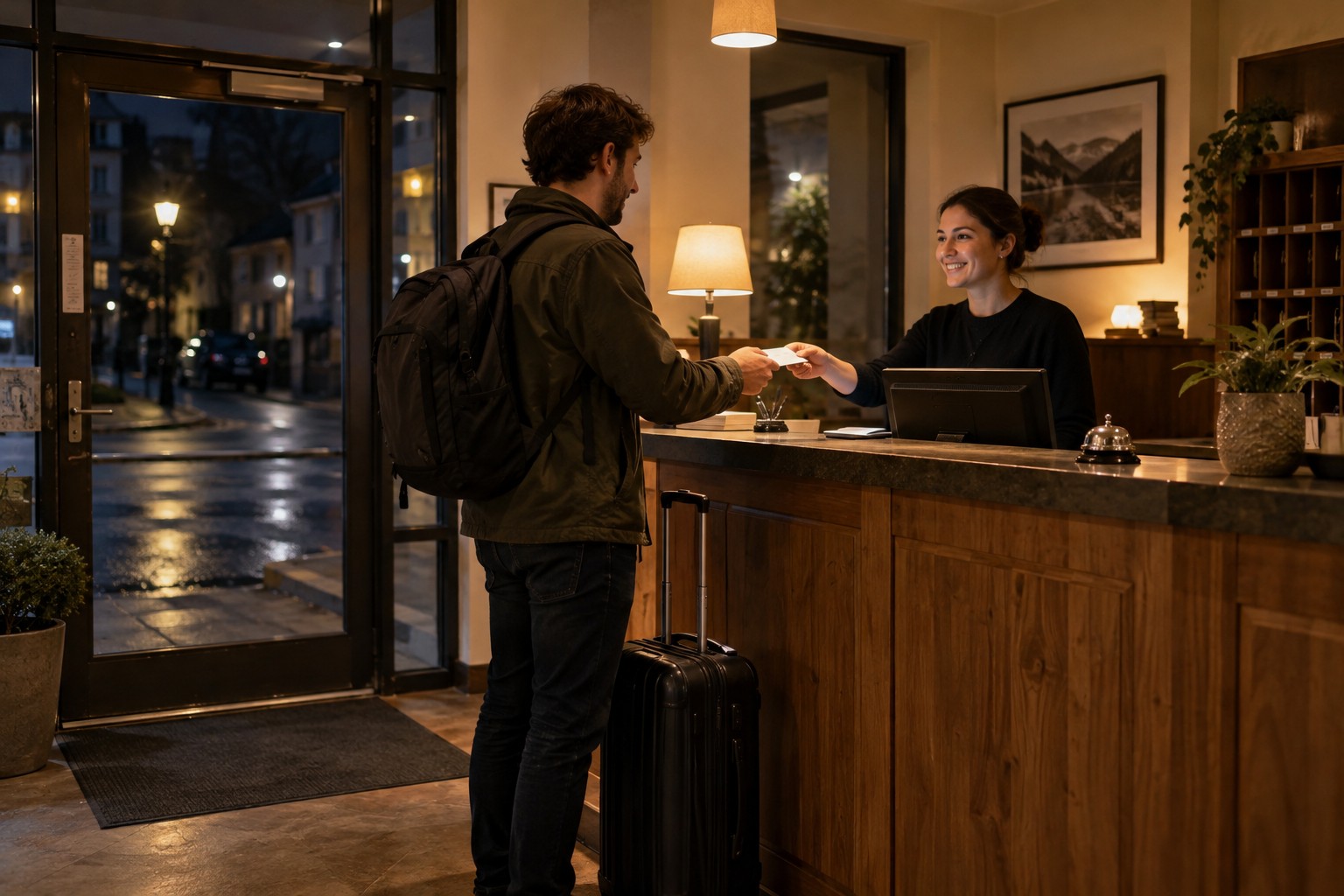
Late arrival: preparing an uncomplicated first evening
A late arrival needs a few well-prepared steps. The first evening does not also have to serve as the first complete sightseeing day.

Trip planning
Coordinating luggage and checkout on departure day
Departure day sits between giving up the room and actually travelling home. A clear luggage route lets you use that interval without jeopardising the final connection.
Trip planning
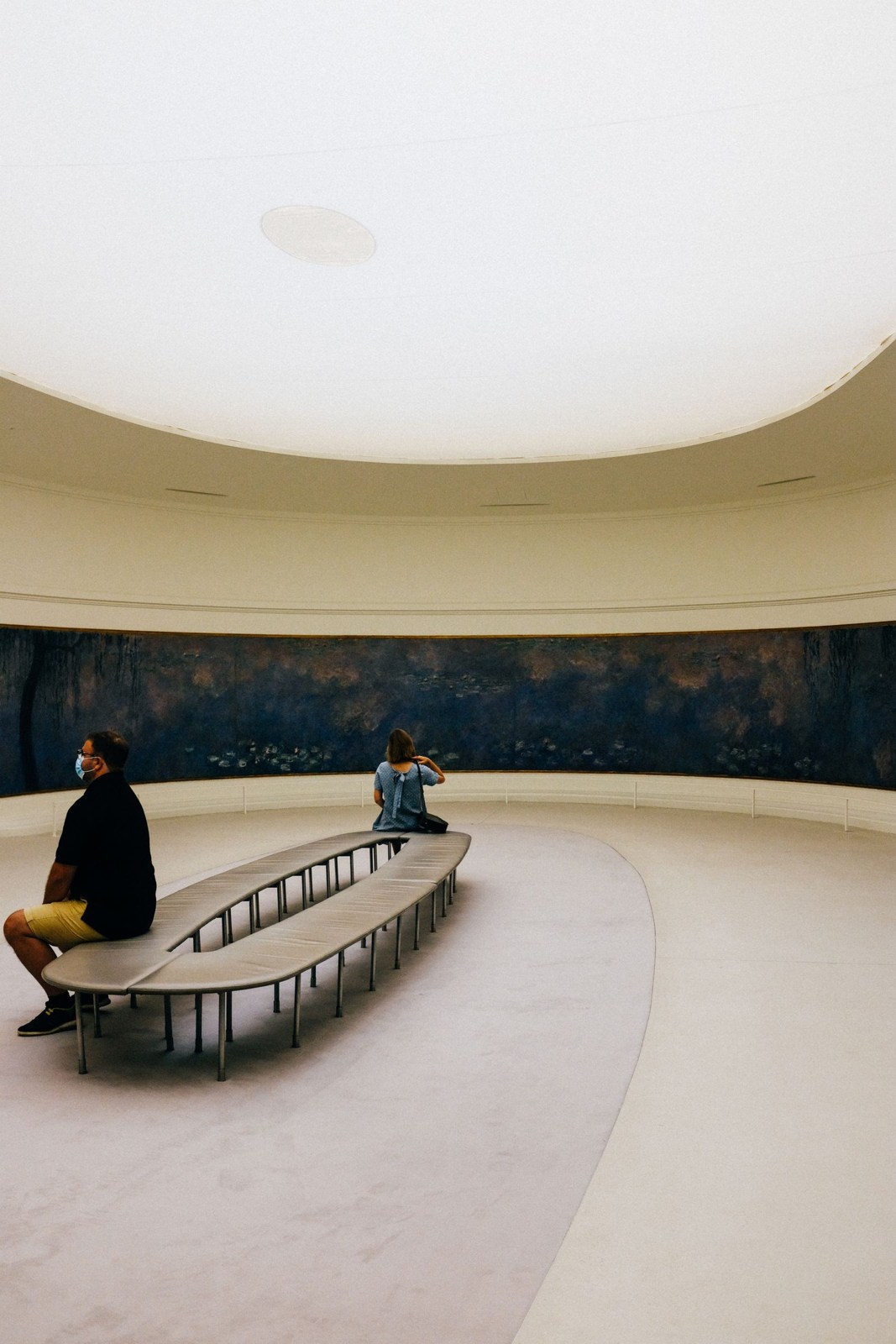
Choosing museums by interest rather than quantity
A museum does not belong in a trip simply because it is frequently recommended. Choose by the collection, style of visit and attention you want to give it.
Trip planning
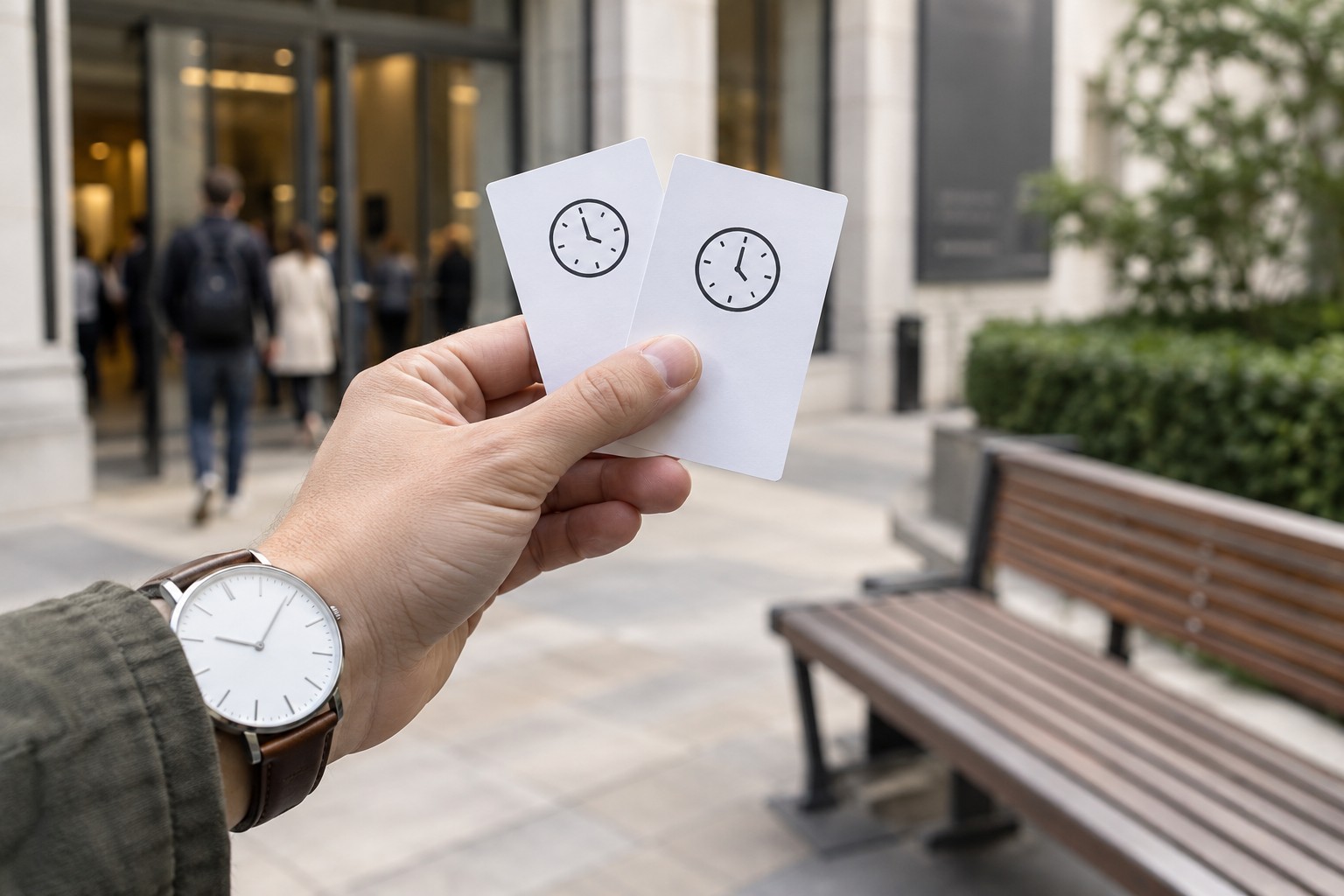
Connecting timed admissions with travel and breaks
A booked time slot is a fixed point in the day. Plan the routes and breaks around it so that reaching admission does not become a race.

Trip planning
Comparing walking tours by route and group size
Two walking tours with similar titles can provide quite different experiences. Route, group size and approach often matter more than the number of landmarks mentioned.
Trip planning
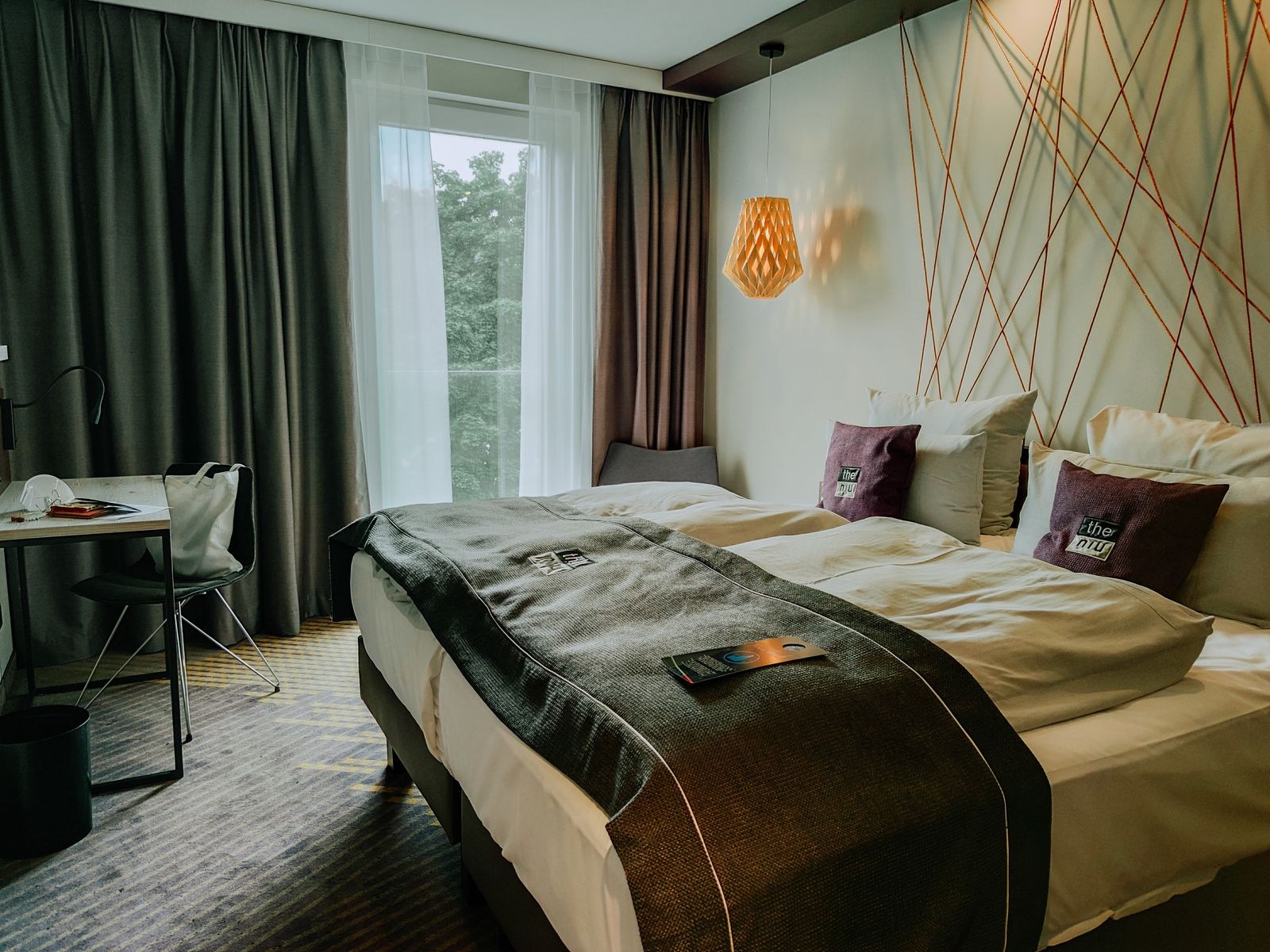
Reading accommodation descriptions for concrete details
Accommodation descriptions become more useful when broad terms are translated into checkable questions. What matters is what is confirmed for your room and your stay.

Trip planning
Flexible or fixed bookings: comparing the conditions
A flexible booking is useful only if its conditions cover the change you want to keep possible. Compare actual deadlines and outcomes rather than tariff names alone.

Trip planning
Sharing travel costs clearly within a group
Shared travel costs stay manageable when everyone knows what will be divided. A simple record is usually enough if the group uses the same rules.

Trip planning
Choosing fewer stops for a city break
A short city visit often benefits from a clear selection. What matters is not the number of names on the list, but which experiences receive enough room.
Trip planning
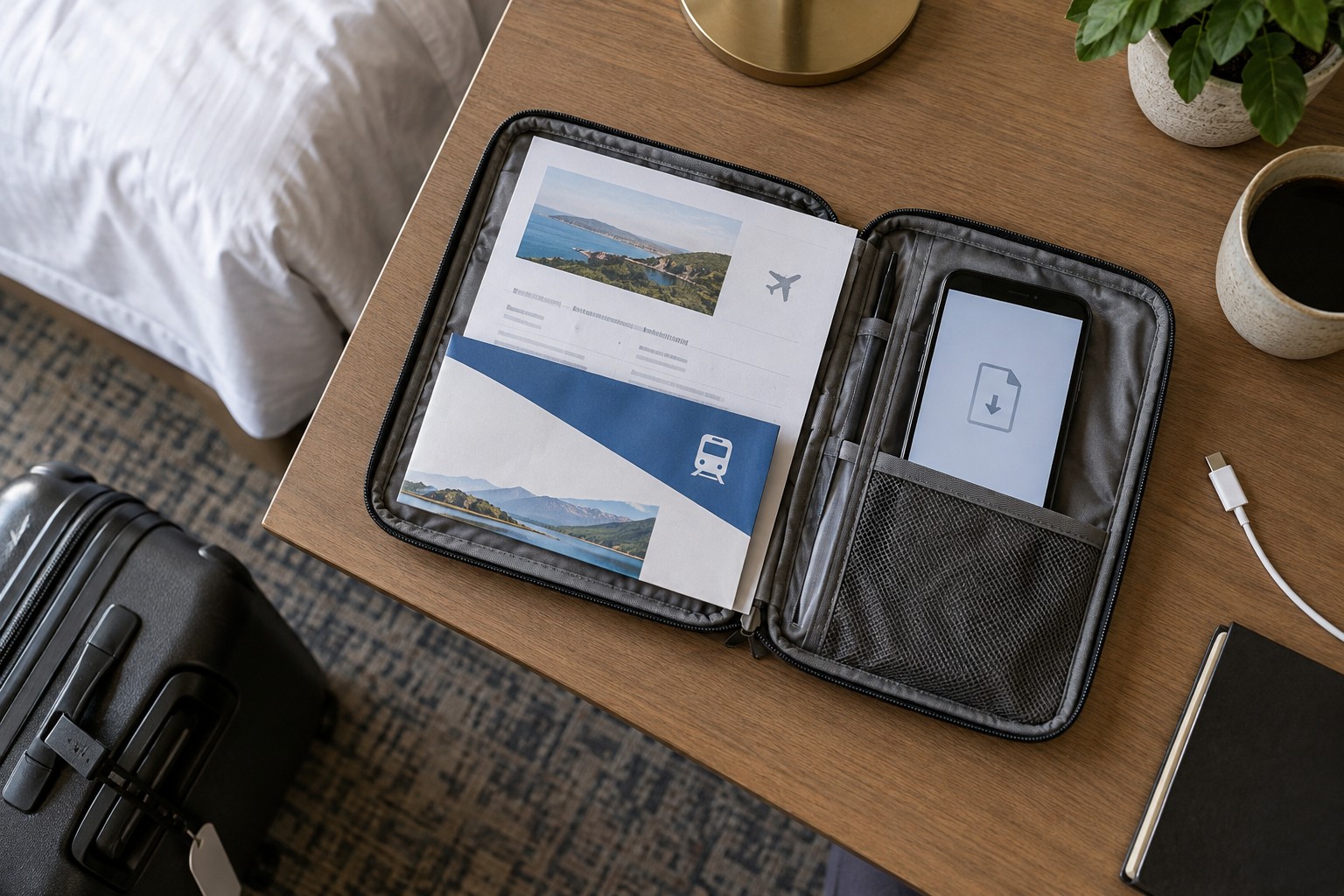
Organising travel documents for offline access
Travel documents need an understandable structure as well as storage space. A small current collection is more useful on the road than a large folder of unclear versions.

Trip planning
Assessing a day trip from a city base
A day trip works when time at the destination justifies the journeys around it. The train time between two stations is not enough to assess that balance.
Trip planning
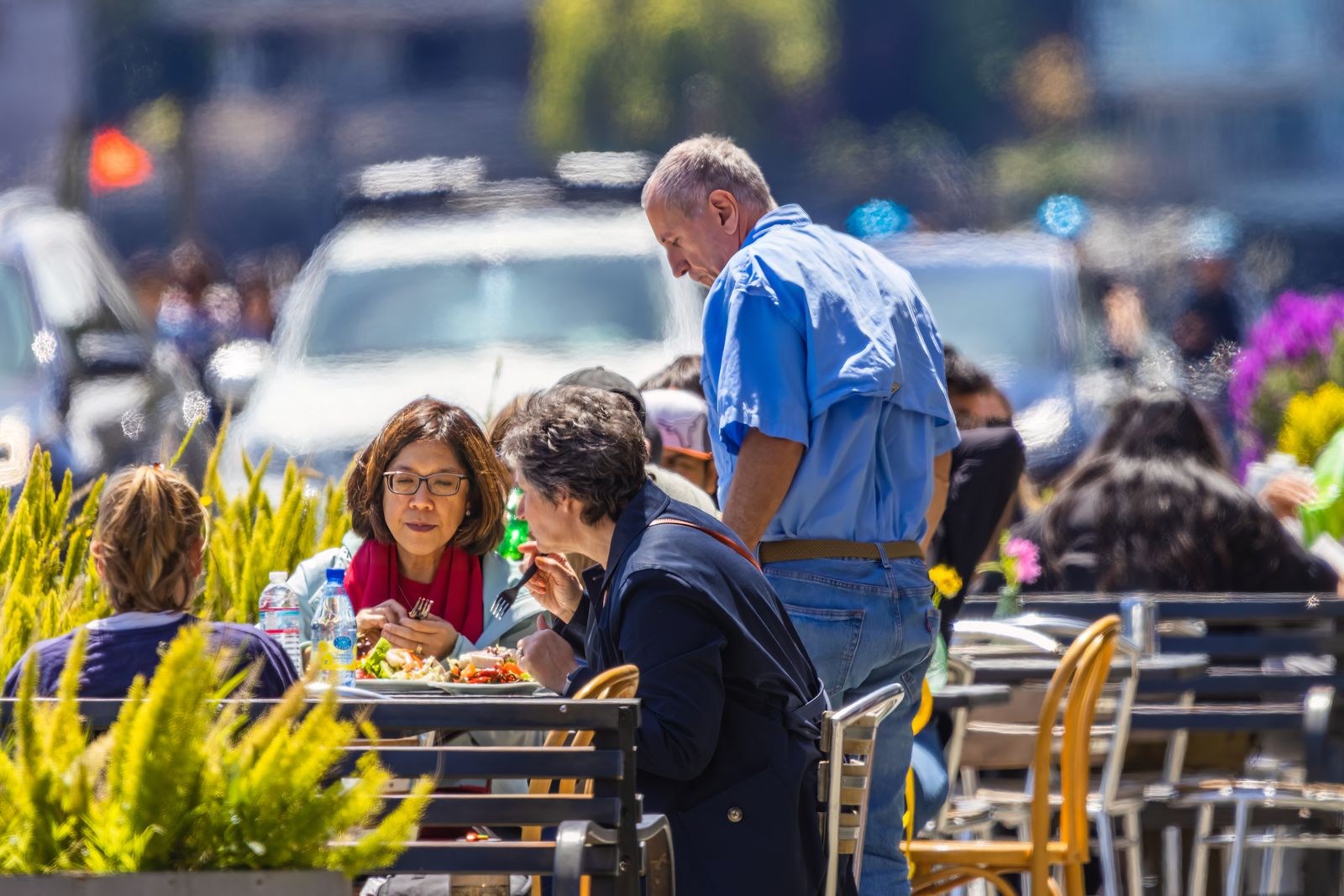
Fitting meals into a daily itinerary
Meals fit a trip more easily when they form part of the day's route. An appealing restaurant does not automatically justify a complicated detour between appointments.

Trip planning
Balancing photography time with sightseeing
Photography often needs more time than a quick stop on a route. If making images matters to your trip, give it a visible place in the day.

Trip planning
Reviewing a trip and using the notes next time
A brief review after travelling can improve the next trip. The most useful notes are concrete observations that you can still understand in context later.

Packing & equipment
Choosing cabin luggage by usable space and travel routes
A suitcase can fit the permitted outer dimensions and still be awkward for your trip. Usable interior space, empty weight and the route from transport to your room matter as much as its label.

Packing & equipment
Fitting a travel backpack for a long weekend
A weekend backpack needs to carry the planned load comfortably, not merely contain it. Trying it with realistic contents is part of choosing the bag, rather than a task to leave until departure.

Packing & equipment
Choosing packing cubes for your bag and clothes
Packing cubes are meant to make luggage easier to organise. Their usefulness depends more on your bag's interior and your clothing than on the number of pieces included in a set.
Packing & equipment
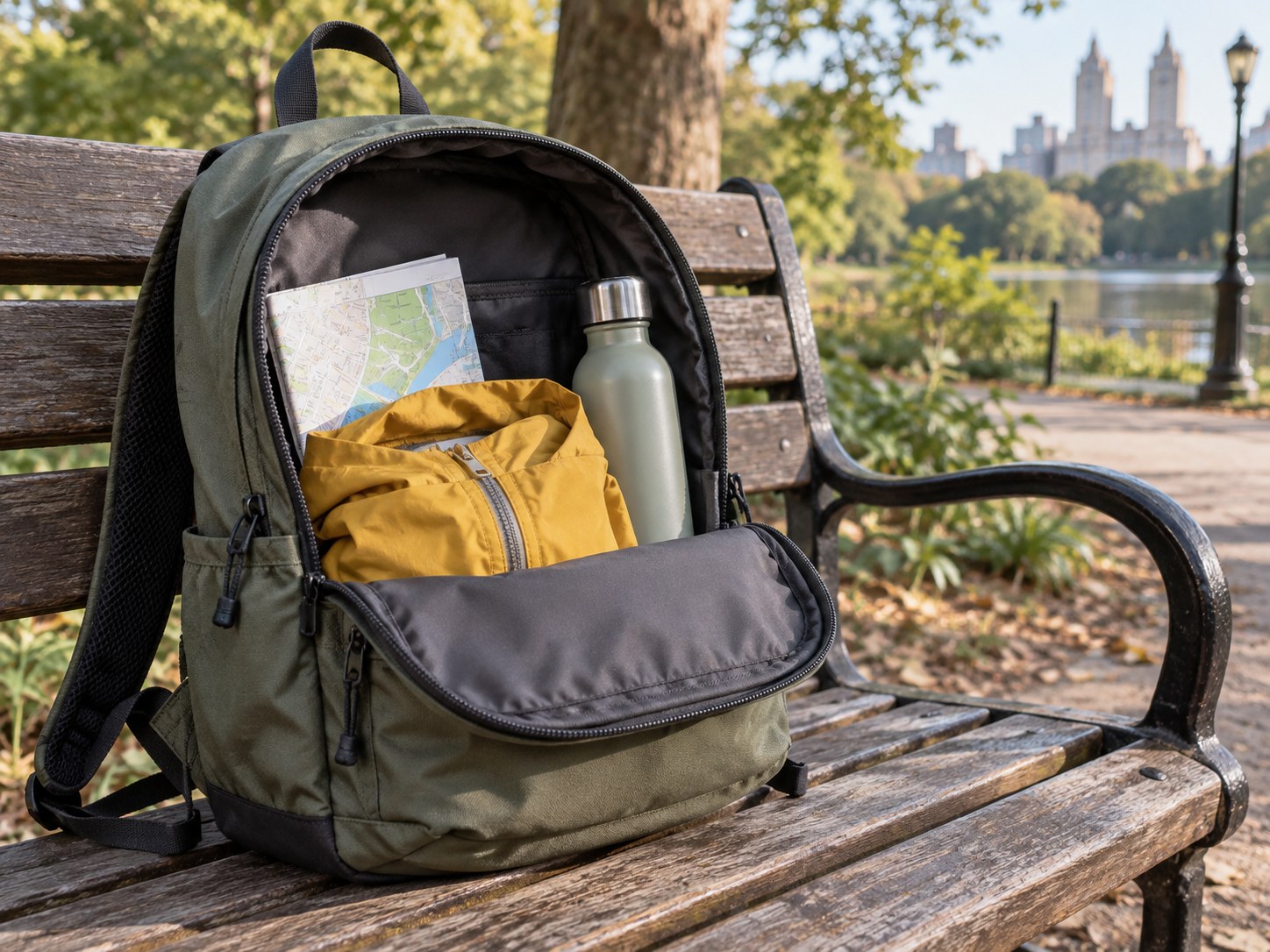
Sizing a daypack for city visits
A city daypack has a different job from the bag used for the whole journey. It should hold what you need while out, without encouraging you to carry the contents of your room everywhere.

Packing & equipment
Comparing rain jackets for changeable city weather
A rain jacket for city trips also needs to work in cafés, on trains and over another layer. The strongest weather-protection claim on a specification sheet is only one part of the decision.
Packing & equipment
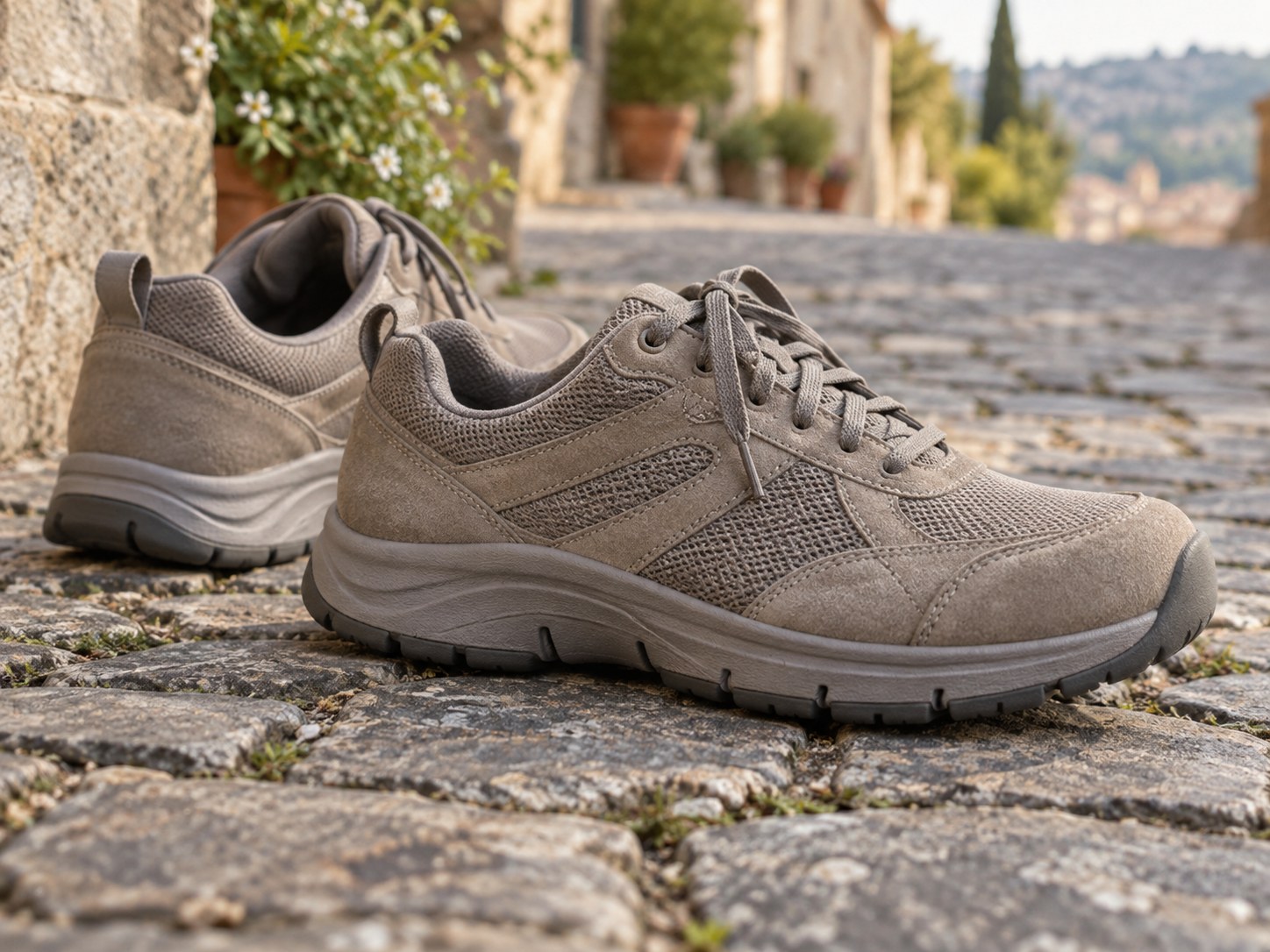
Choosing comfortable shoes for long city days
City trips combine smooth floors, cobbles, steps and long periods of standing. Shoes need to suit that mixture and should be tried before departure with the socks you intend to wear.
Packing & equipment
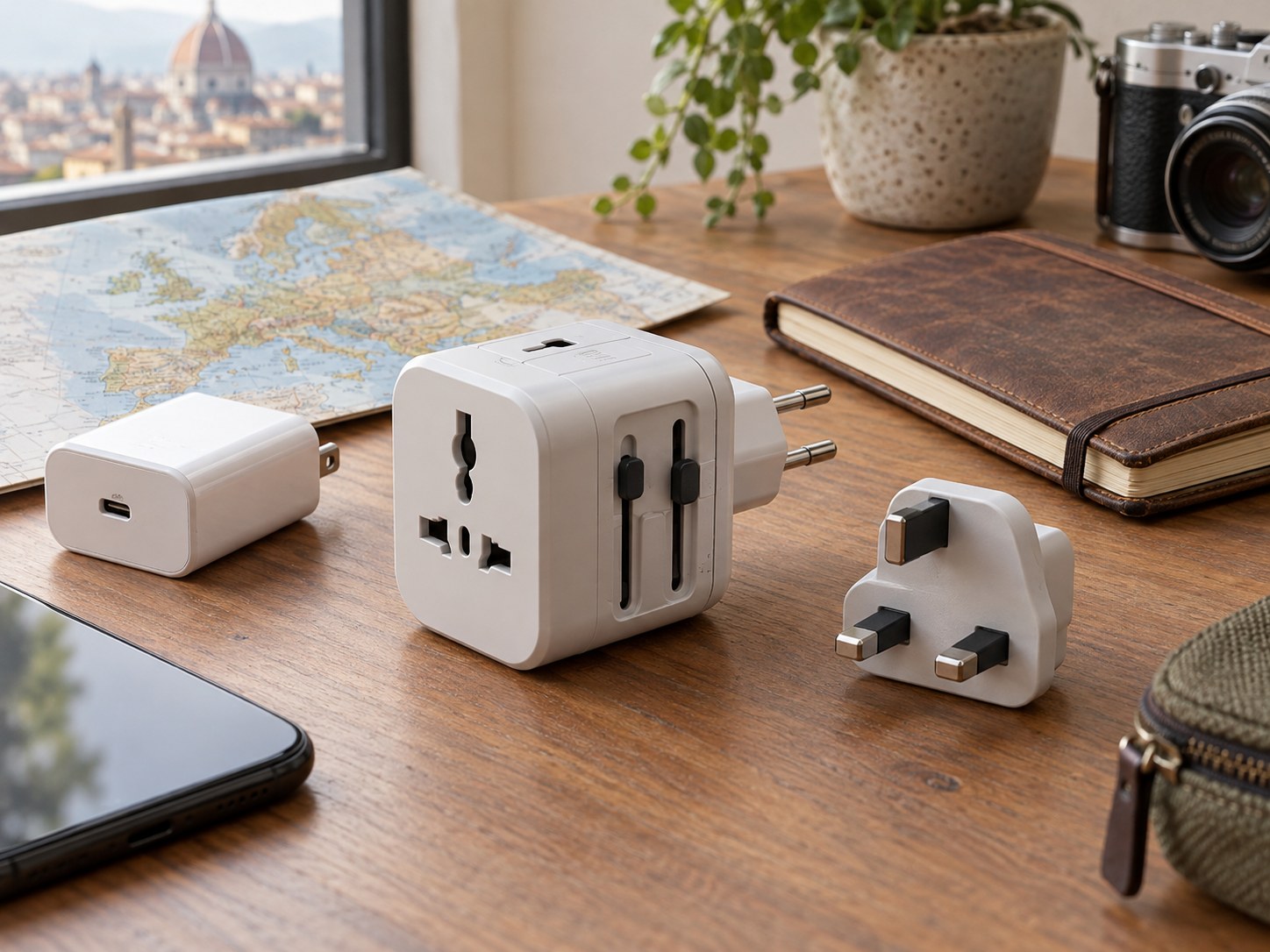
Choosing a travel adapter for devices and destination
A travel adapter connects different plug shapes. It is not automatically a voltage converter, and it does not by itself establish whether a device can be used at your destination.
Packing & equipment
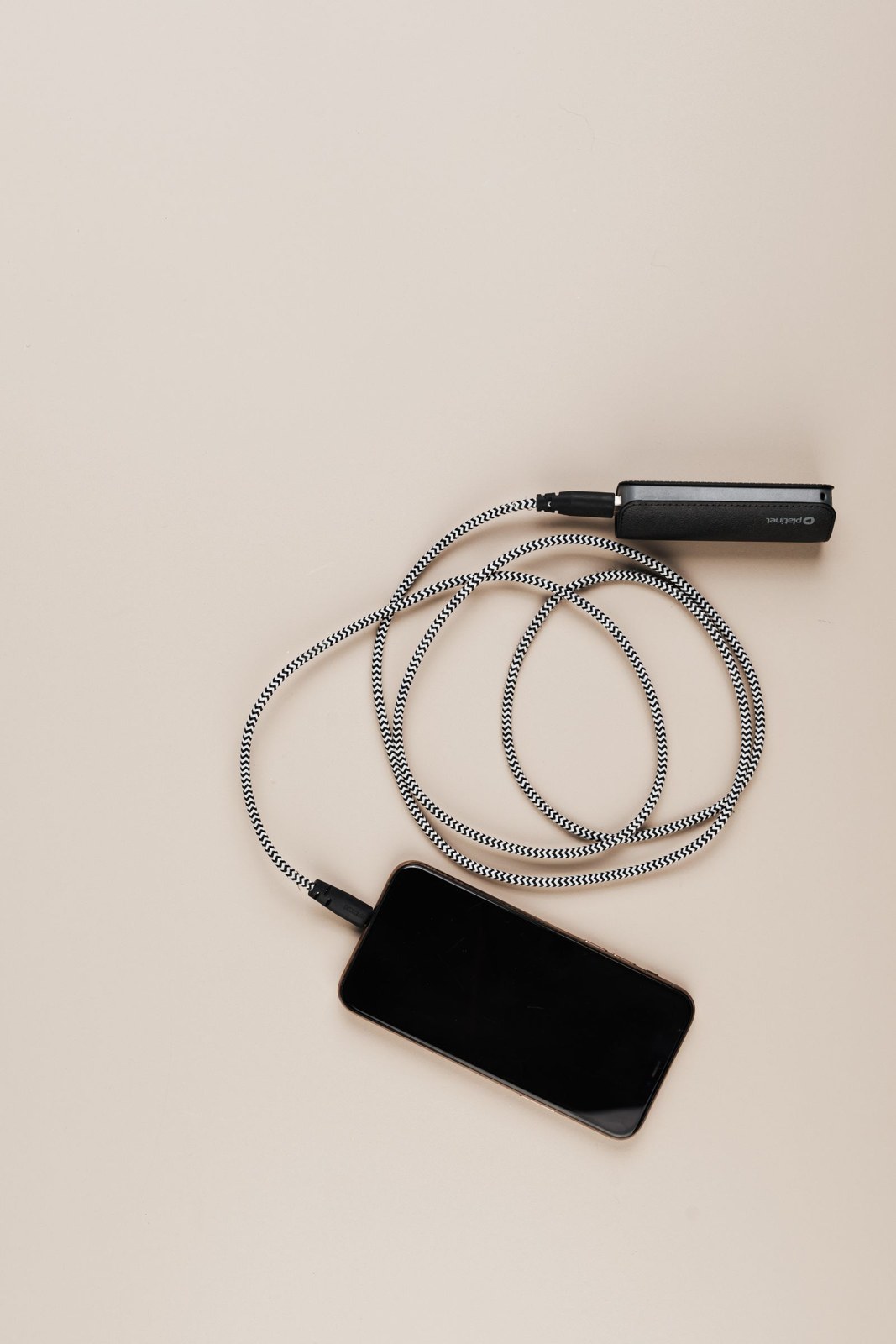
Choosing a power bank for a long travel day
A power bank should bridge the gap until your next socket. Connections, output, capacity and extra weight need to work together; the largest number on the packaging is not automatically the right choice.
Packing & equipment
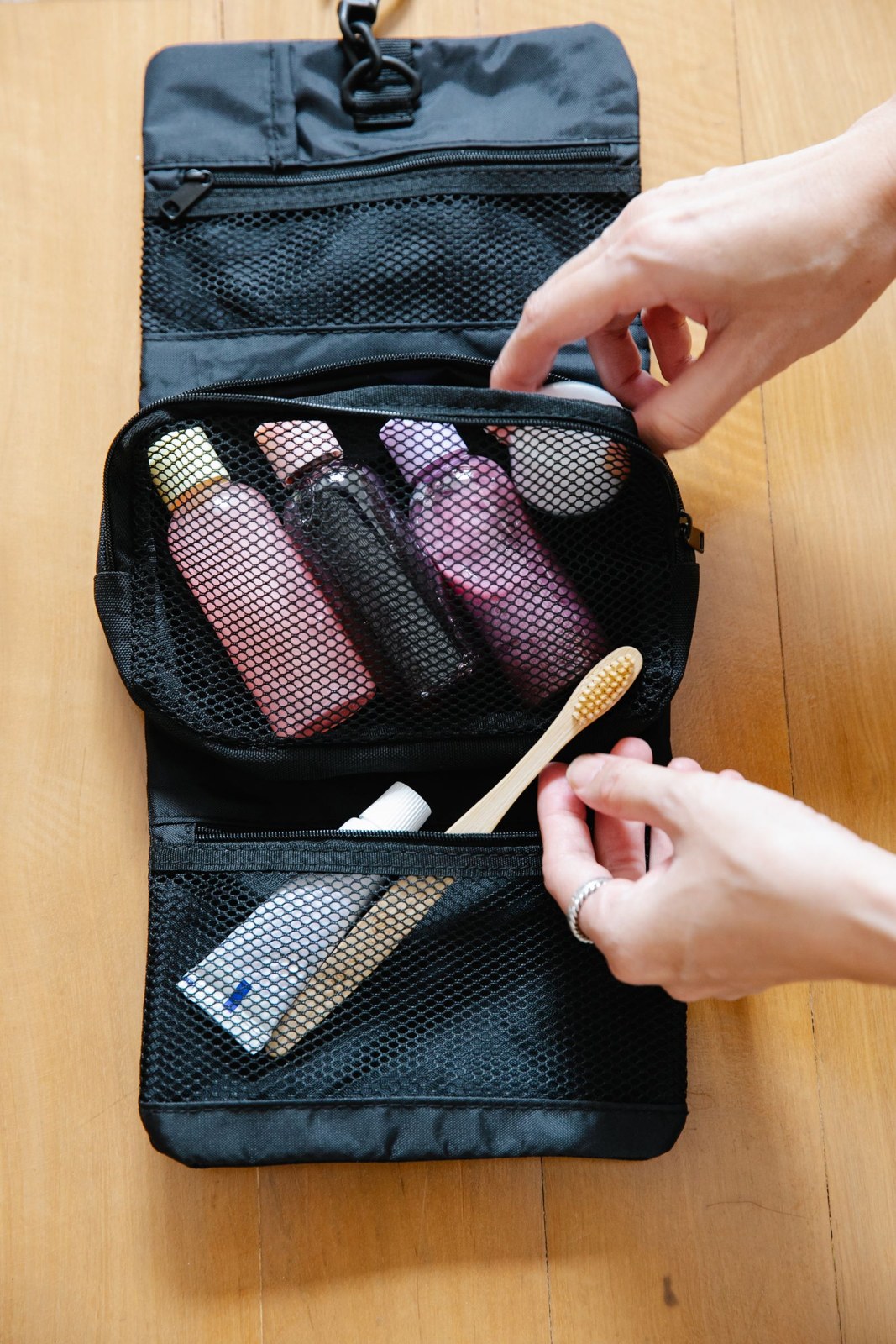
Packing a wash bag clearly and against leaks
An organised wash bag begins with choosing its contents. Extra compartments only help when the items fit and can be put away dry after use.

Packing & equipment
Choosing and labelling refillable travel bottles
Refillable bottles can replace bulky packaging. They need to suit the particular contents, remain clearly identifiable and allow thorough cleaning and drying before their next use.
Packing & equipment
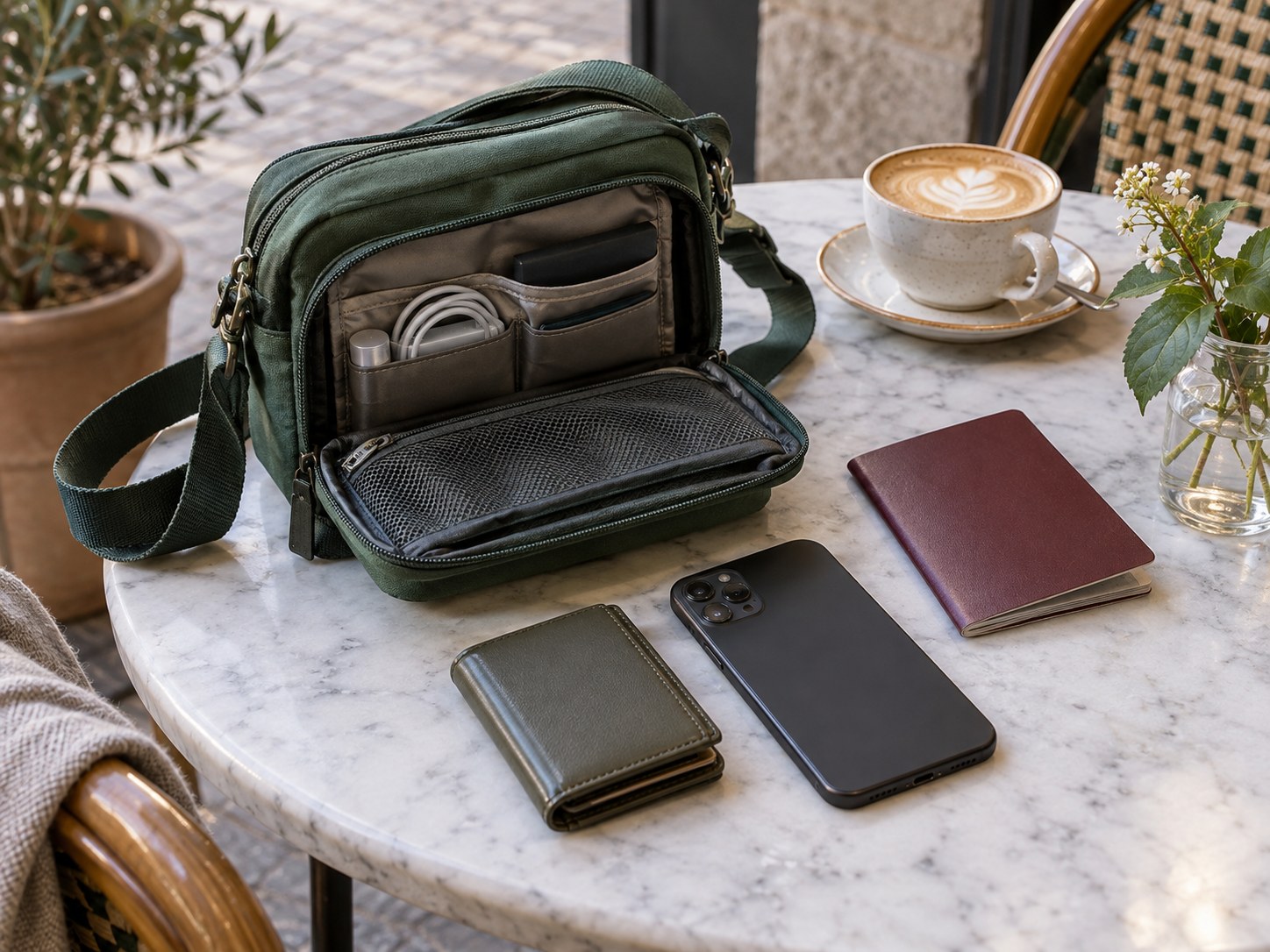
Choosing a small crossbody bag for travel essentials
A small crossbody bag brings together items used frequently during a travel day. It should work with your other luggage rather than becoming a second main bag.
Packing & equipment
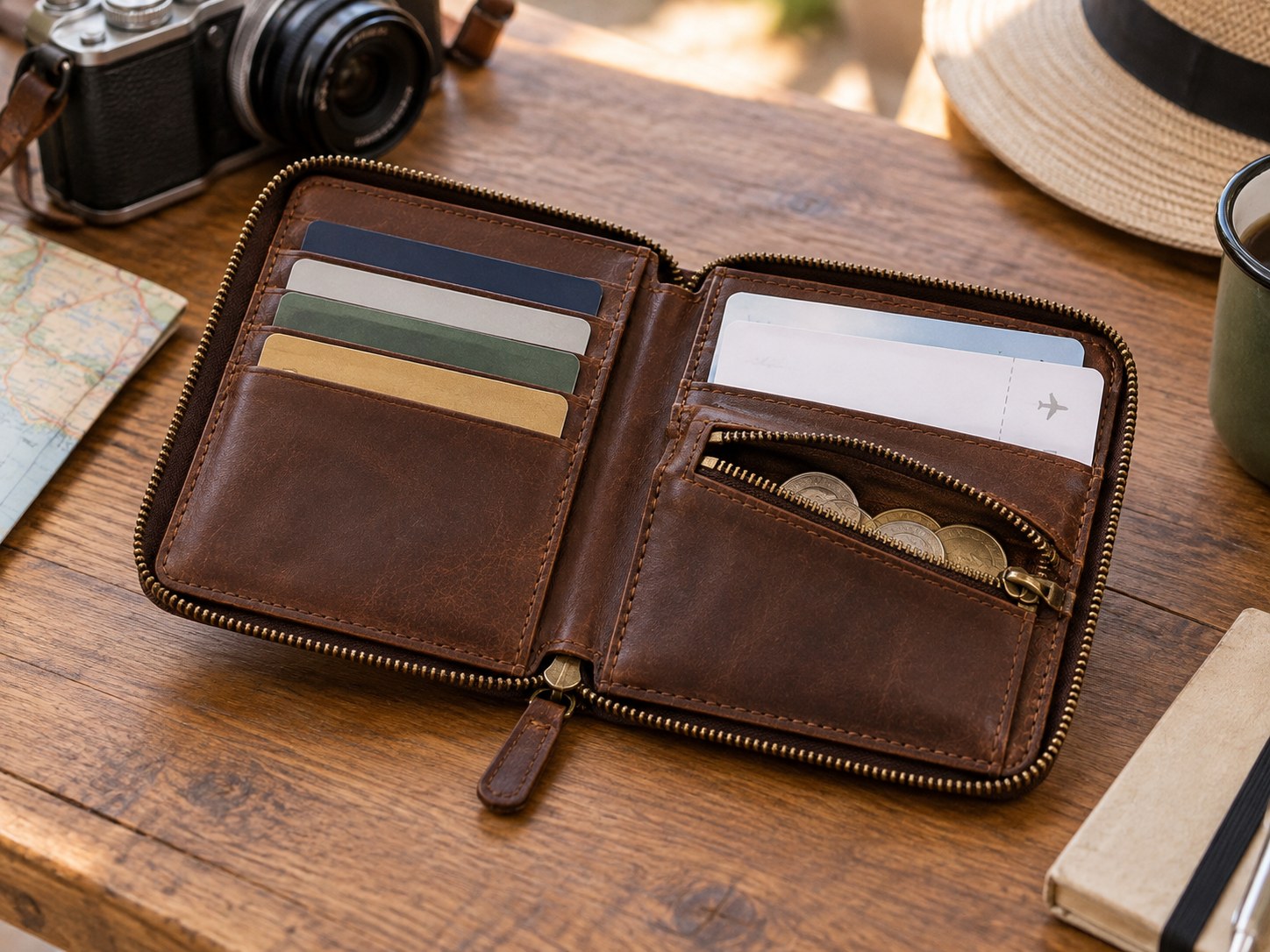
Choosing a travel wallet by access and compartments
A travel wallet does not need the maximum number of compartments. It needs to let you retrieve one item without exposing or displacing everything else.
Packing & equipment
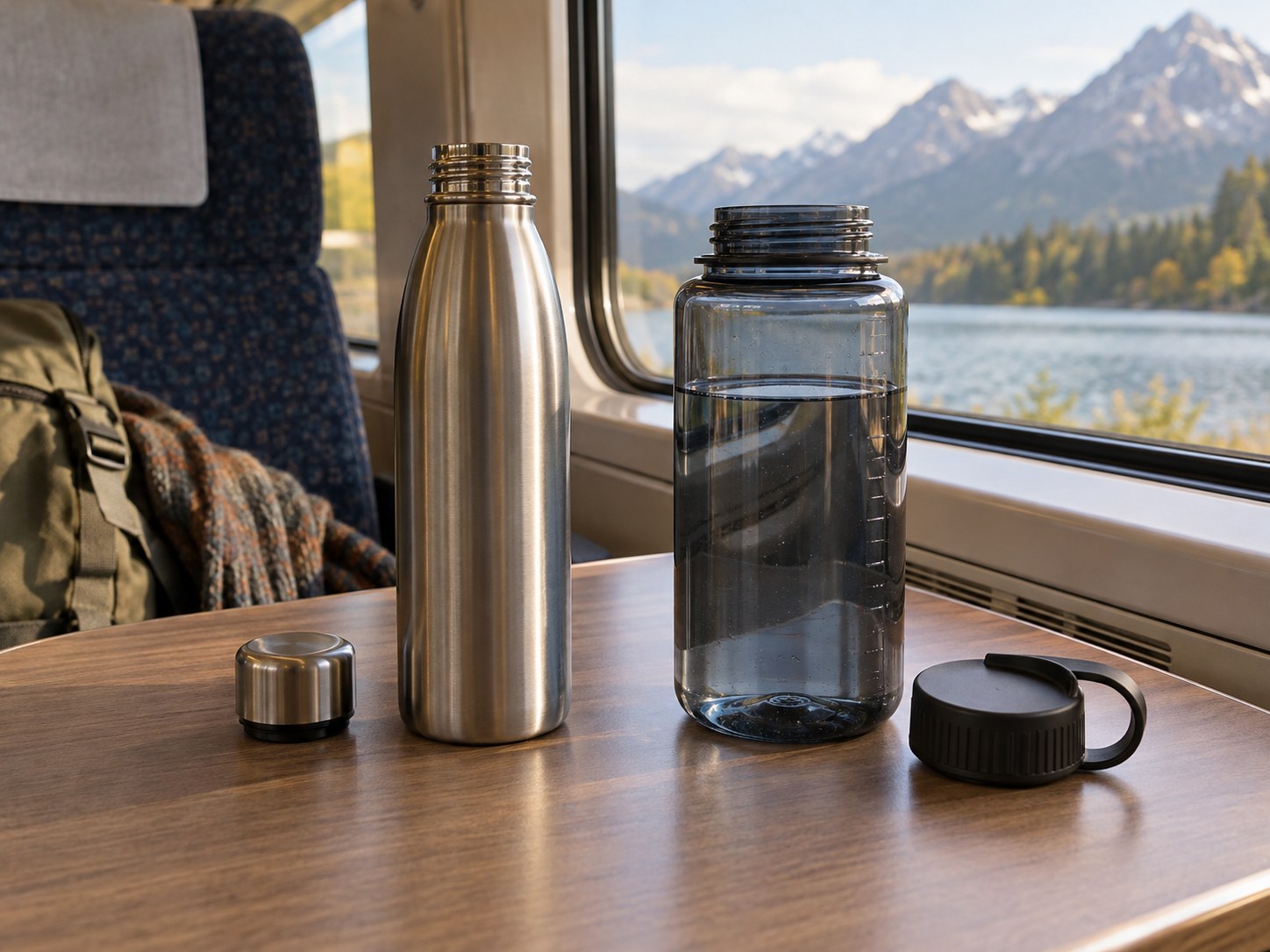
Comparing water bottles for trains and city walks
Shape, closure and cleaning determine whether a water bottle works with your travel luggage. Maximum capacity is not always the most comfortable choice.
Packing & equipment
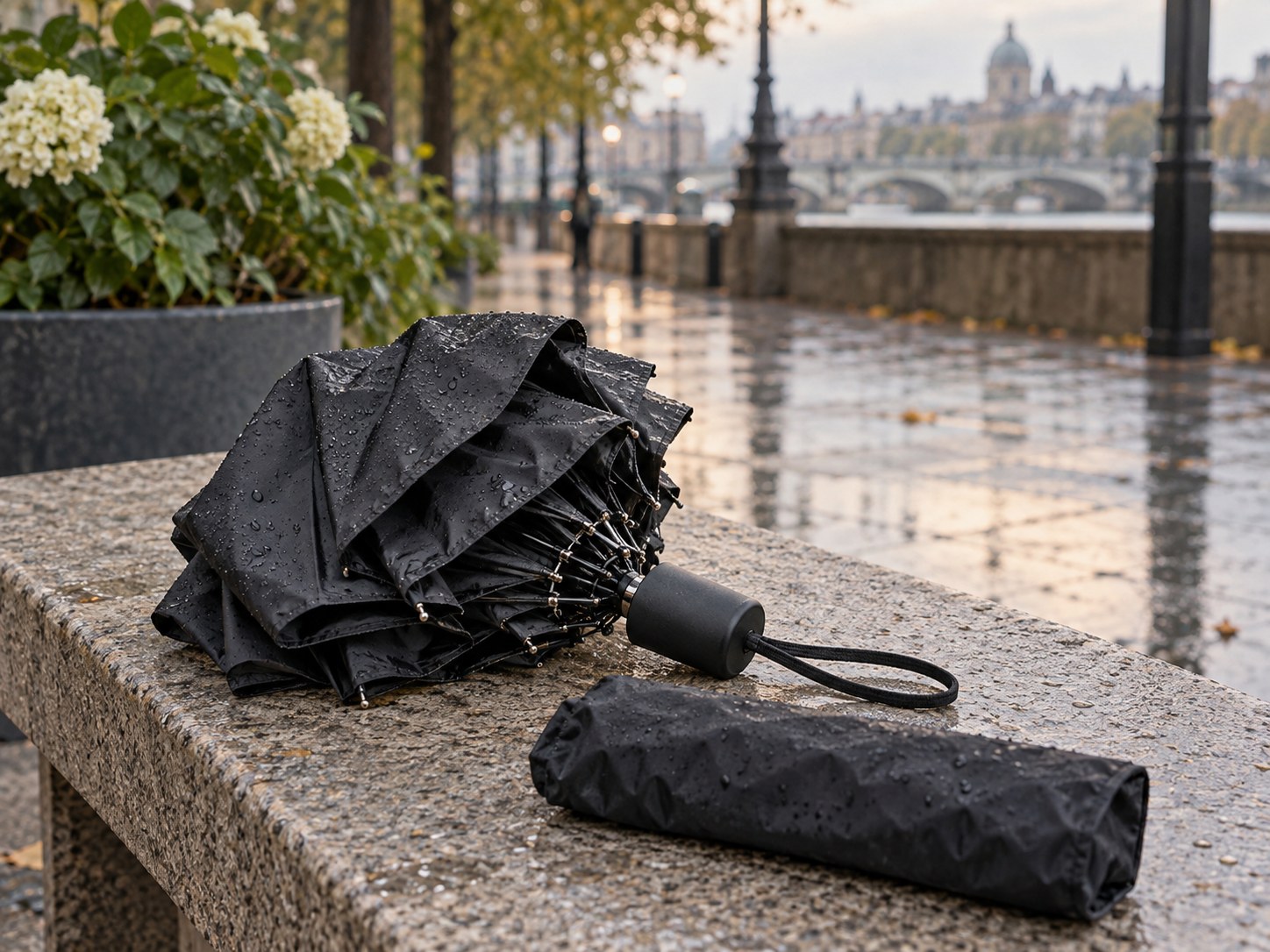
Choosing a compact umbrella for busy pavements
A compact umbrella saves space when it is also easy to open, hold and put away during a journey. Its folded length alone tells you little about those tasks.

Packing & equipment
Choosing earplugs and a sleep mask for travel
A sleep mask and earplugs can reduce distracting light and sound, but only help when they fit comfortably and suit the situation. A journey is not the best moment to try an unfamiliar combination for the first time.
Packing & equipment
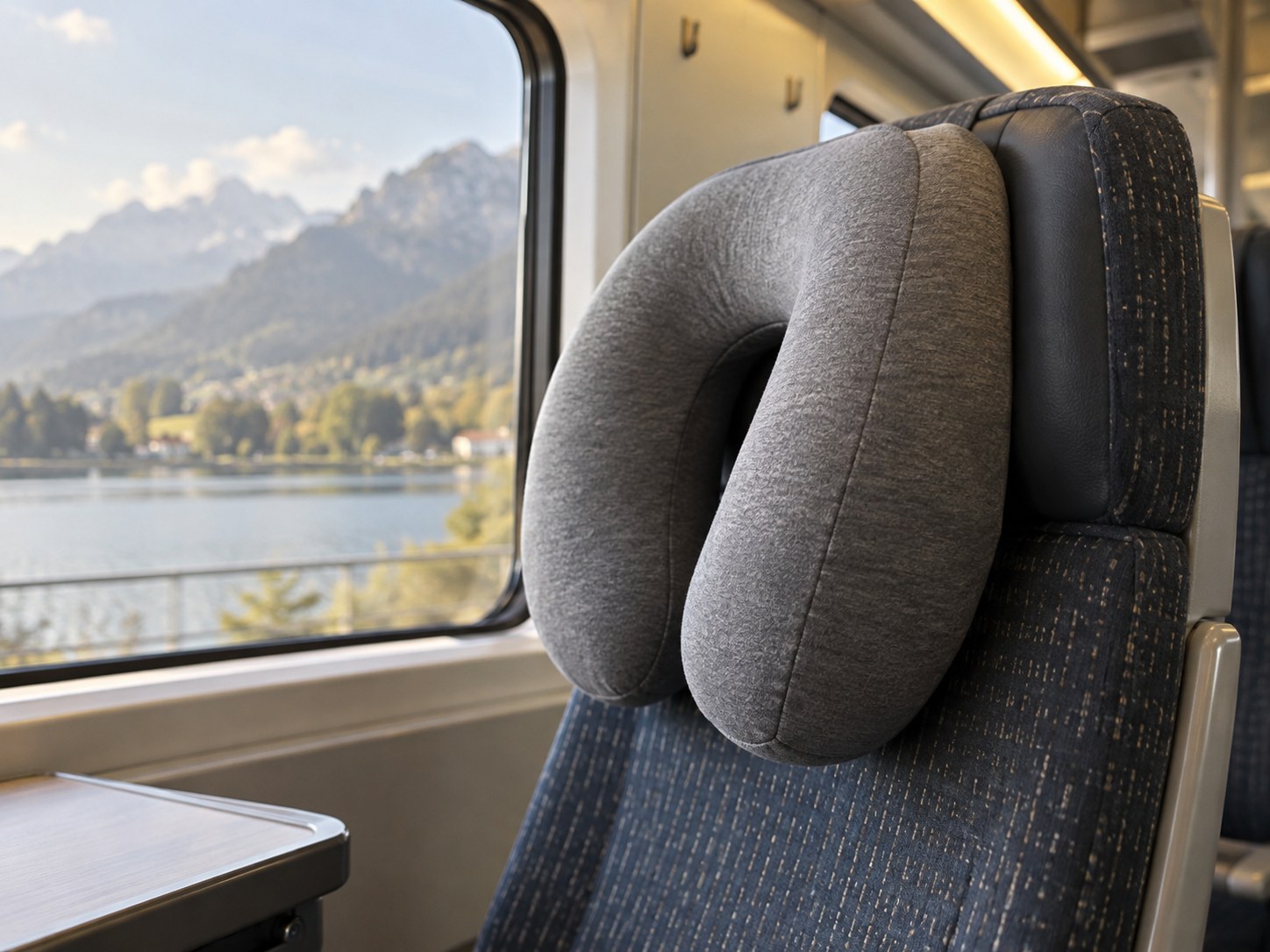
Choosing a travel pillow by sitting position
A travel pillow needs to suit the seat and your resting position. A large, soft-looking design can be awkward in an upright chair, while a smaller cushion may provide the support you actually want.

Packing & equipment
Planning light layers for city trips
Several compatible clothing layers can be more adaptable on a city trip than one very warm garment. What matters is whether you can change and carry the combination easily during the day.

Packing & equipment
Organising laundry on a longer trip
A longer trip does not require a fresh set of clothing packed for every day. A realistic laundry plan still needs time for washing, drying and putting things away again.

Packing & equipment
Choosing a camera insert for a daypack
A camera insert can make an existing backpack more organised for carrying equipment. It needs to fit the bag's opening and carrying system as well as the camera itself.

Packing & equipment
Organising charging cables and small accessories
A small cable organiser can simplify evening charging. It only helps when the cables and chargers are compatible and can be identified without prolonged untangling.

Packing & equipment
Checking suitcase wheels and handles before buying
Wheels and handles shape how a suitcase behaves between transport and accommodation. Test them with a realistic load and do more than make one short movement across a smooth shop floor.
Packing & equipment
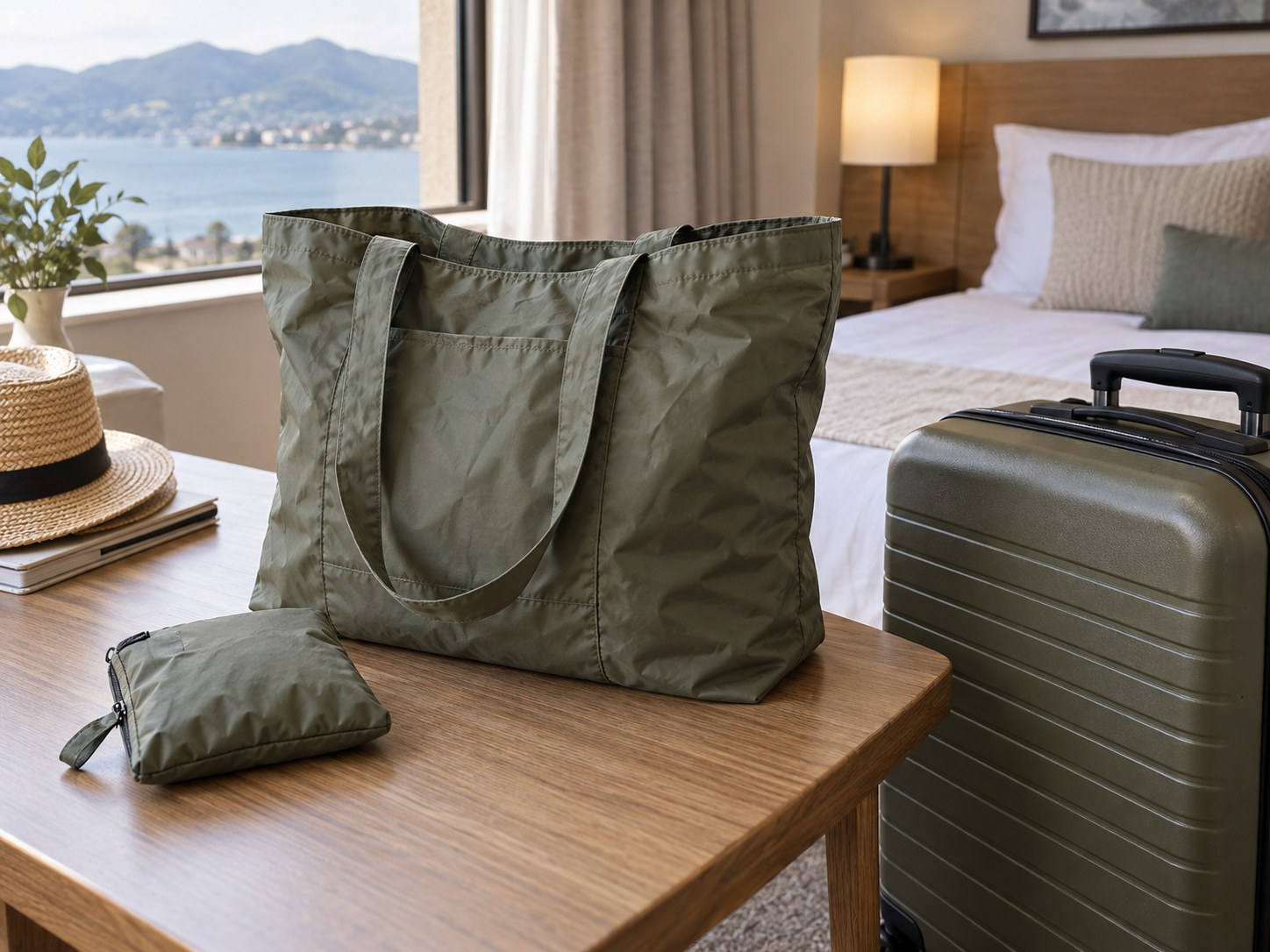
Planning when to carry a foldable extra bag
A foldable extra bag is useful when it fills a specific gap. Treated as unlimited reserve space, it can leave you with more pieces on the return journey than you can comfortably carry or are allowed to bring.
Packing & equipment
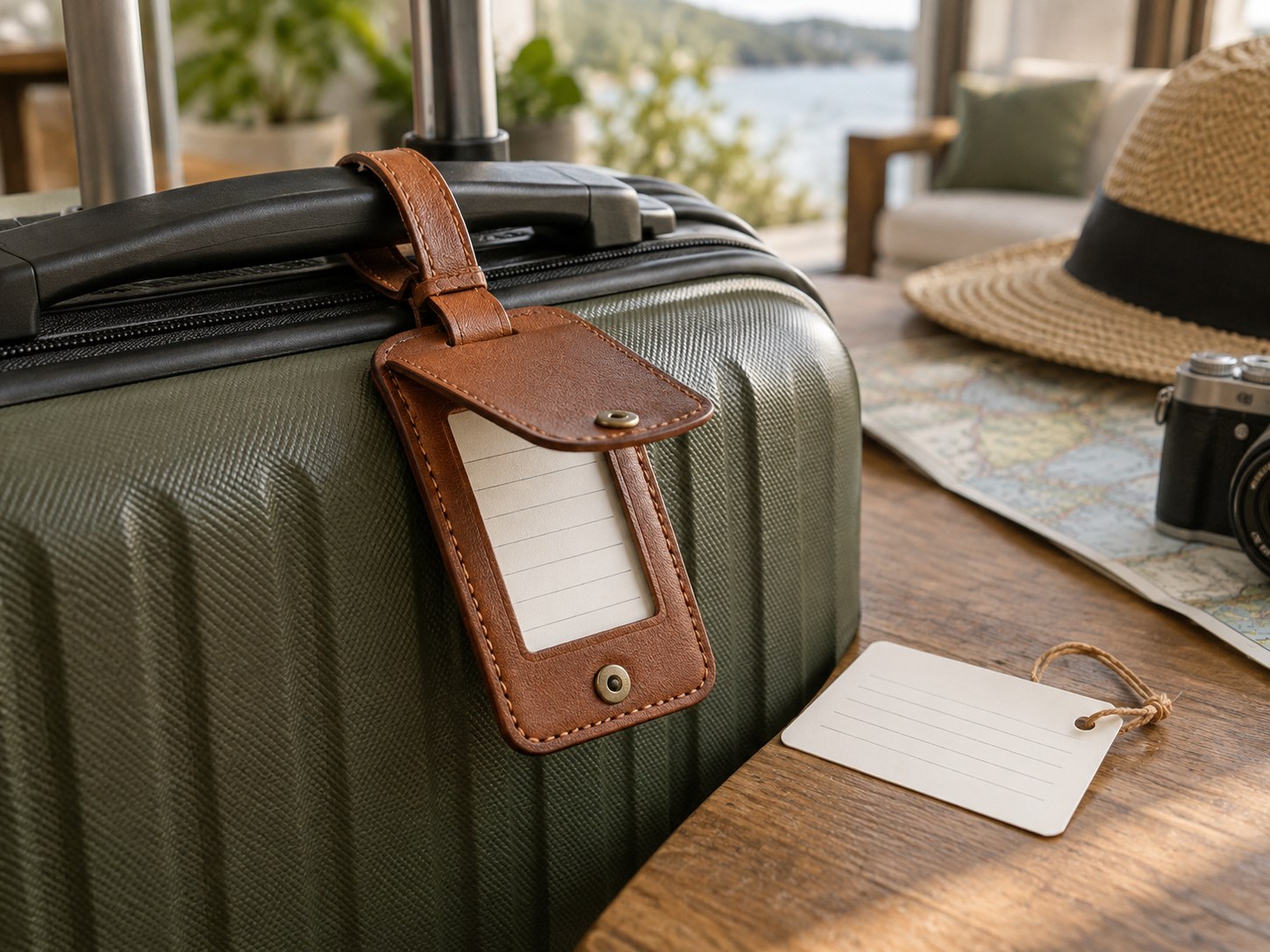
Labelling luggage without unnecessary personal details
A luggage tag should help identify a bag without displaying unnecessary personal details. Its design therefore involves the information, its readability and the way the tag is attached.

Packing & equipment
Adapting a packing list to different trip lengths
A packing list cannot be extended sensibly just by multiplying the number of days. Transport, weather, laundry options and planned activities determine which additional items are actually needed.

Ways to travel
Solo travel: keeping the first evening simple
Arriving alone means making the first decisions yourself. A manageable evening helps you understand the surroundings without immediately completing an entire sightseeing programme.

Ways to travel
Balancing different travel interests as a couple
Travelling together does not mean finding every activity equally interesting. A workable plan makes differences visible and leaves each person some independent time.
Ways to travel
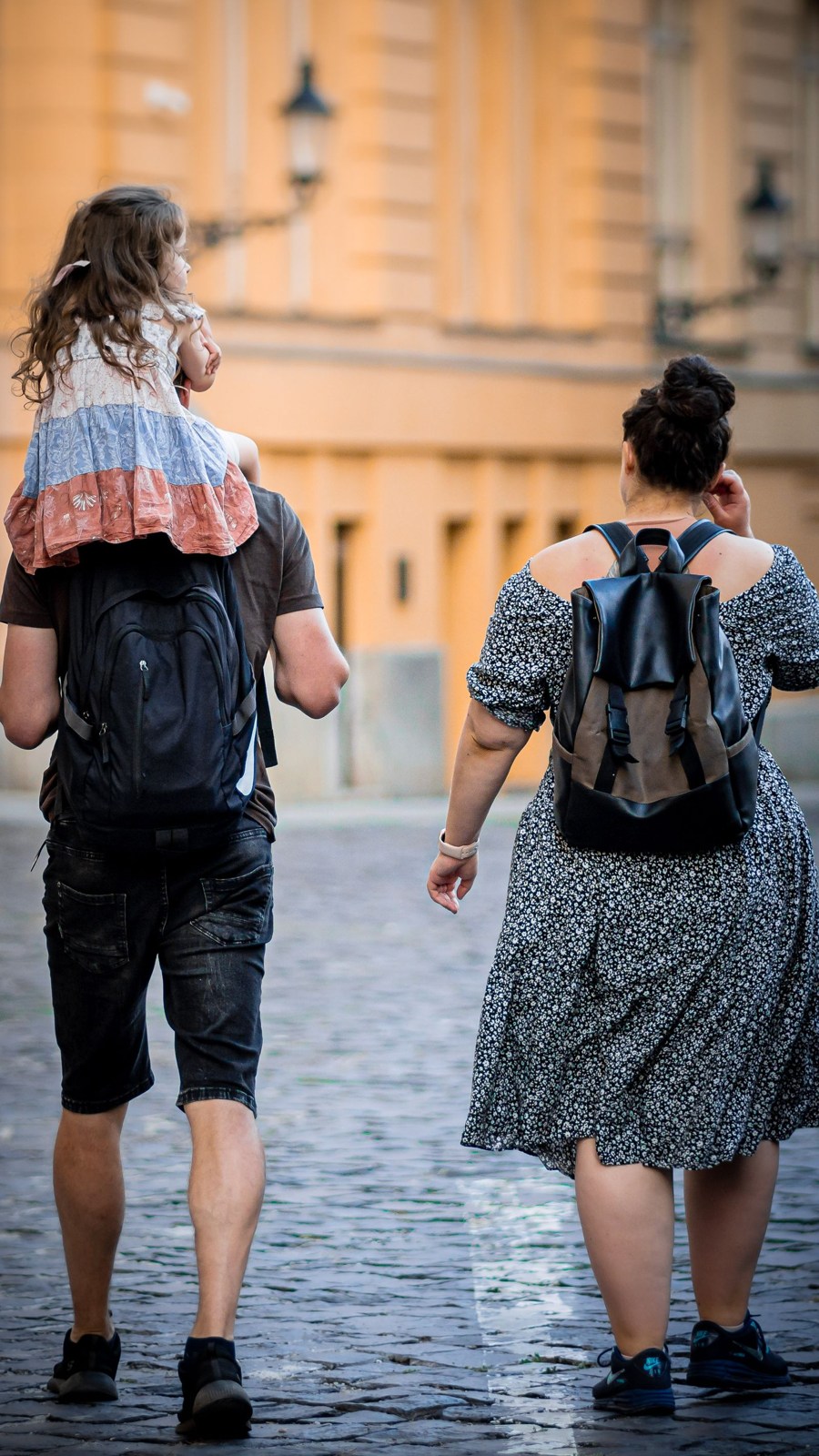
Planning a city trip with children and regular breaks
On a city trip with children, breaks need to be planned as concretely as visits. An empty time slot alone does not identify somewhere the family can pause.

Ways to travel
Finding a pace for a multigenerational trip
Age alone does not determine the pace of a multigenerational trip. Specific interests, walking needs and rest preferences provide a better basis for planning together.

Ways to travel
Agreeing shared and independent time on a friends trip
A trip with friends needs shared agreements, but not a completely shared schedule. Clear expectations keep independent time from feeling like a last-minute withdrawal.

Ways to travel
Slow travel from a single accommodation base
One accommodation base can support a varied trip. Travelling slowly means choosing journeys and stays deliberately, rather than simply leaving every day empty.

Ways to travel
Planning a city visit around limited energy
A city visit can be planned around limited energy. Short routes, reachable breaks and an easy return help without assuming a particular amount must be achieved each day.
Ways to travel
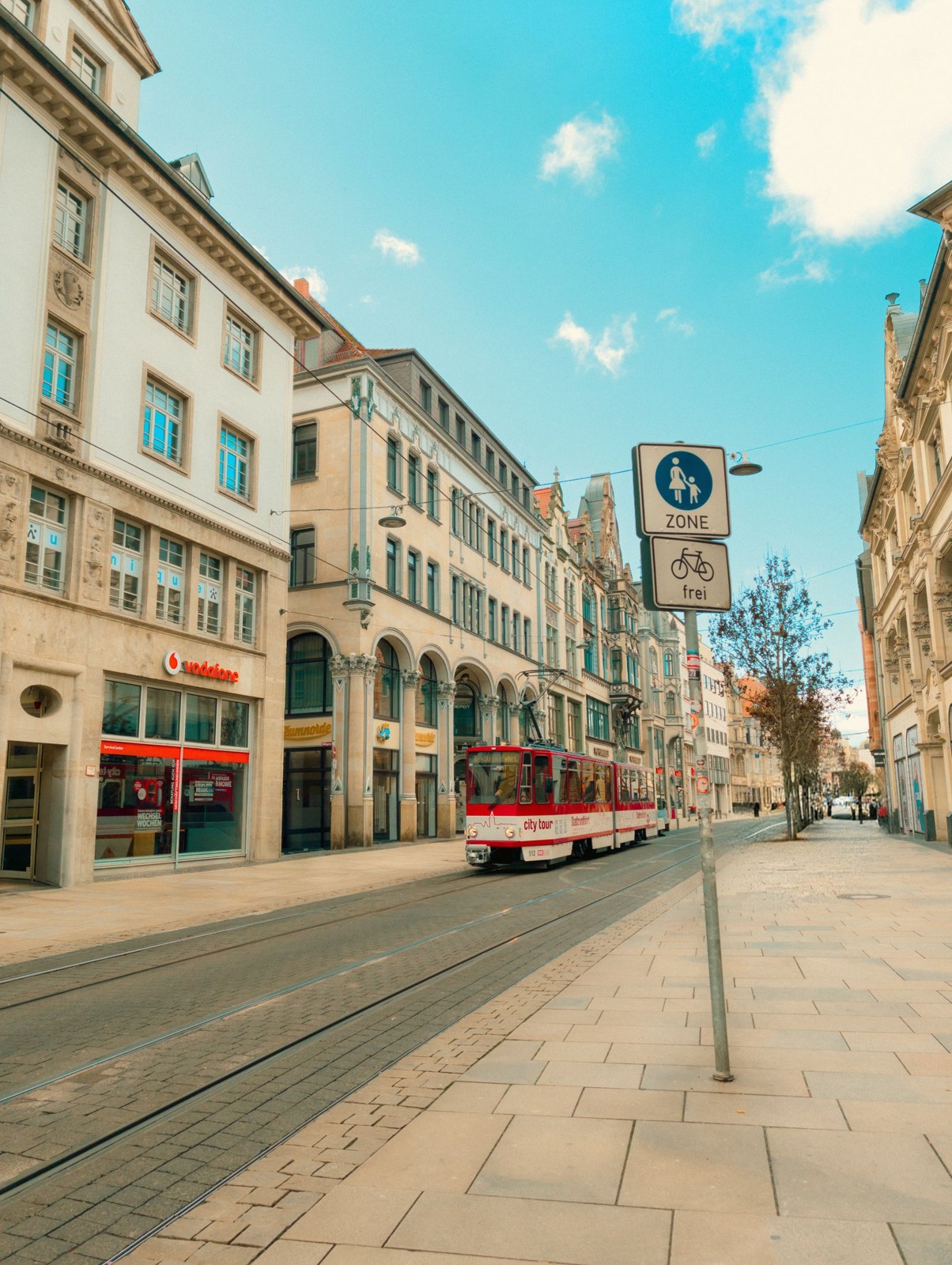
Planning a weekend deliberately without a rental car
A weekend without a rental car starts with choosing accommodation and activities that fit together. The missing car then need not be replaced by a complicated series of workarounds.