Begin with the following morning
Consider what you need to do after arrival. An unsettled night is easier to accommodate before a free morning than before an early appointment. A seat may be attractive on price, but it is not a lying-down space. A couchette or bed changes that starting point without guaranteeing uninterrupted sleep. Movement, noise and overnight stops remain part of travelling by train.
Compare more than the supplement between categories. Include whether you can leave luggage, shower or use a room after arrival. Counting a saved hotel night only makes sense if the surrounding arrangements also work. Early check-in should be confirmed explicitly rather than inferred from a property's usual afternoon arrival time.
Identify exactly what the booking includes
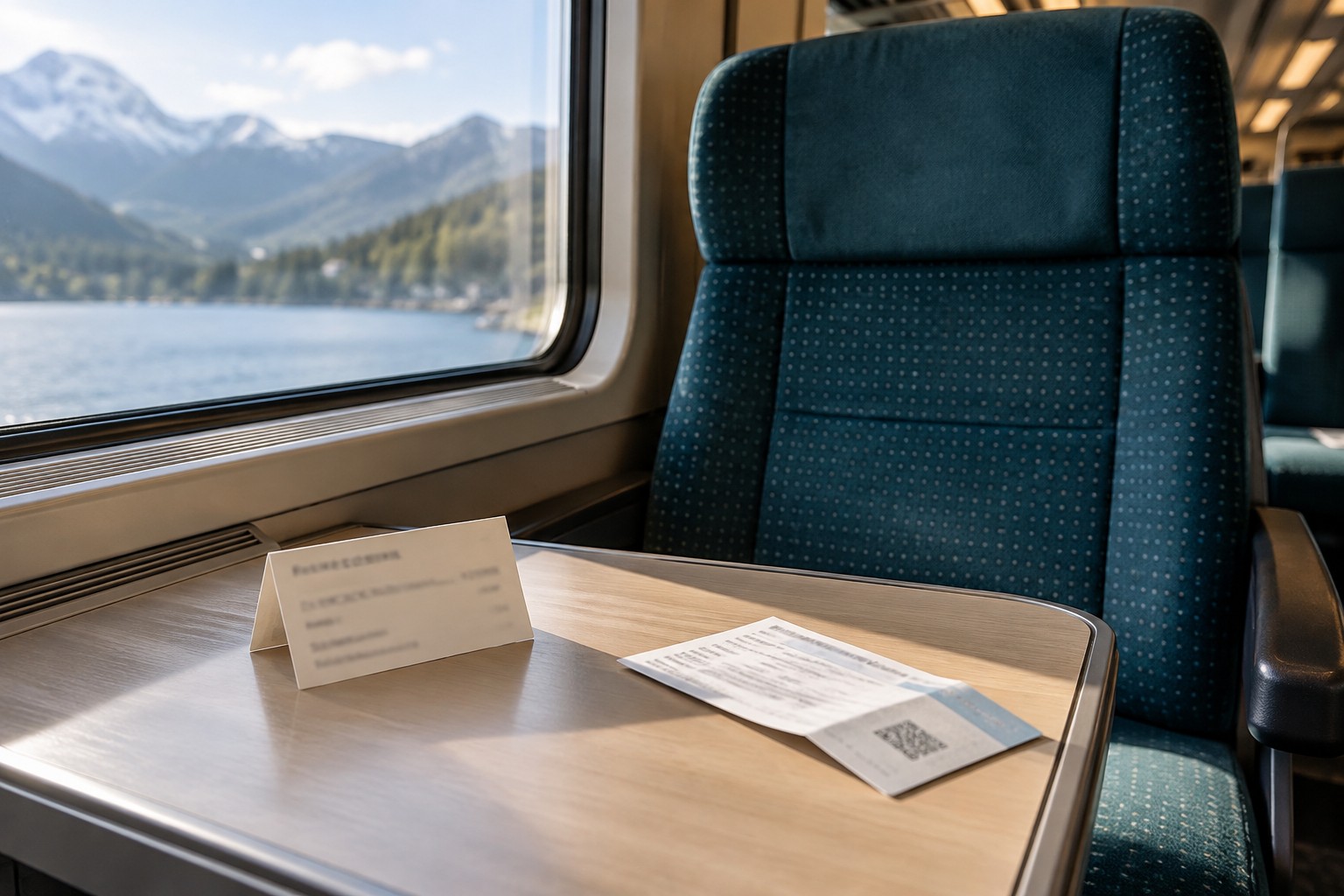
Couchette and sleeping-car accommodation are different products, and equipment varies between vehicles and operators. Nightjet describes several sleeping-car arrangements and notes that other railway companies may provide different facilities. Use the description of the train you can actually book, rather than treating a general promotional photograph as a specification.
Check whether you are buying one berth in a shared compartment or exclusive use of the compartment. Two passengers booking two berths do not necessarily receive a private room. Read the stated occupancy and make sure the confirmation shows the category you selected. If privacy matters, this wording is more useful than the overall price.
A private shower or toilet is not a universal sleeping-car feature. Examine each facility separately. A term such as comfort should not substitute for confirmation of something essential to you. Climbing to an upper berth, headroom above the bed and room for luggage may matter more than an additional onboard service.
Pack for a confined overnight space
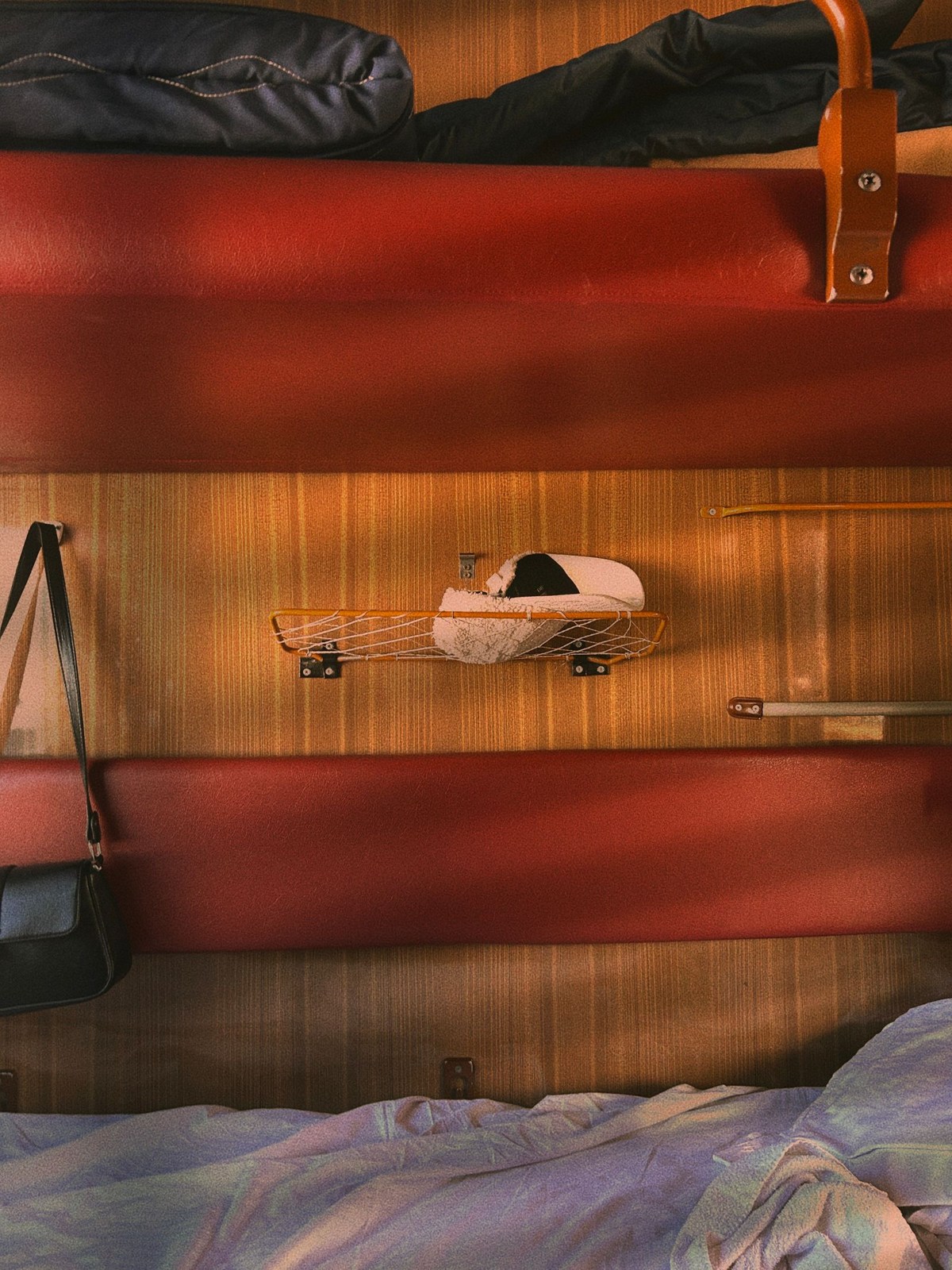
Prepare a small bag containing what you need overnight: toiletries, a change of clothes and the items you will want quickly in the morning. This avoids opening a large suitcase in a narrow shared compartment. Documents and personal possessions should remain accessible without blocking passageways or another passenger's access to their berth.
If travelling with a large case, compare its dimensions with the storage information provided. A wide photograph of an empty compartment does not necessarily show how the space works when occupied by several people and their bags. Reduce loose items and keep shoes and a jacket together so that you are not searching for them just before arrival.
The timetable is part of the comfort choice
Check the actual departure and arrival stations, not only the city names. Very late boarding or an early arrival may shorten the period available for sleep considerably. For a journey crossing midnight, verify the date of each segment as well. An overnight ride is not a reason to arrange a tight onward connection the following morning.
For children, limited mobility or particular compartment requirements, ask concrete questions before booking. Describe the movement or assistance involved. A suitable choice follows from those needs and confirmed facilities, rather than automatically being the most expensive category available. Keep the first activity at the destination flexible enough to accommodate how rested you actually feel.