Build around recurring needs
Start with meals, sleep or quiet periods and the distances your family can manage comfortably. These form the framework for choosing activities. A route that looks short to adults can take much longer with frequent interruptions. Plan around your actual routine rather than an idealised walking speed suggested by a map.
Choose one main visit and an easier addition nearby. A museum followed by a suitable open space may accommodate different needs. Check that the second place is genuinely accessible and appropriate for the season. A green area on a map does not establish seating, toilets or suitability for your particular children.
Involve children in a small choice appropriate to their age. Two concrete options are easier to discuss than asking what they want to do in an unfamiliar city. Explain which part is fixed and where there is flexibility. Changes are then easier to understand if a planned visit becomes shorter than originally expected.
Attach breaks to reachable places
Identify places along the route where you can actually sit, eat or step away briefly. A break should not demand another lengthy journey. Check indoor opening hours and the location of public spaces. Keep an alternative if the preferred place is full or unsuitable in the weather, especially when the next activity is some distance away.
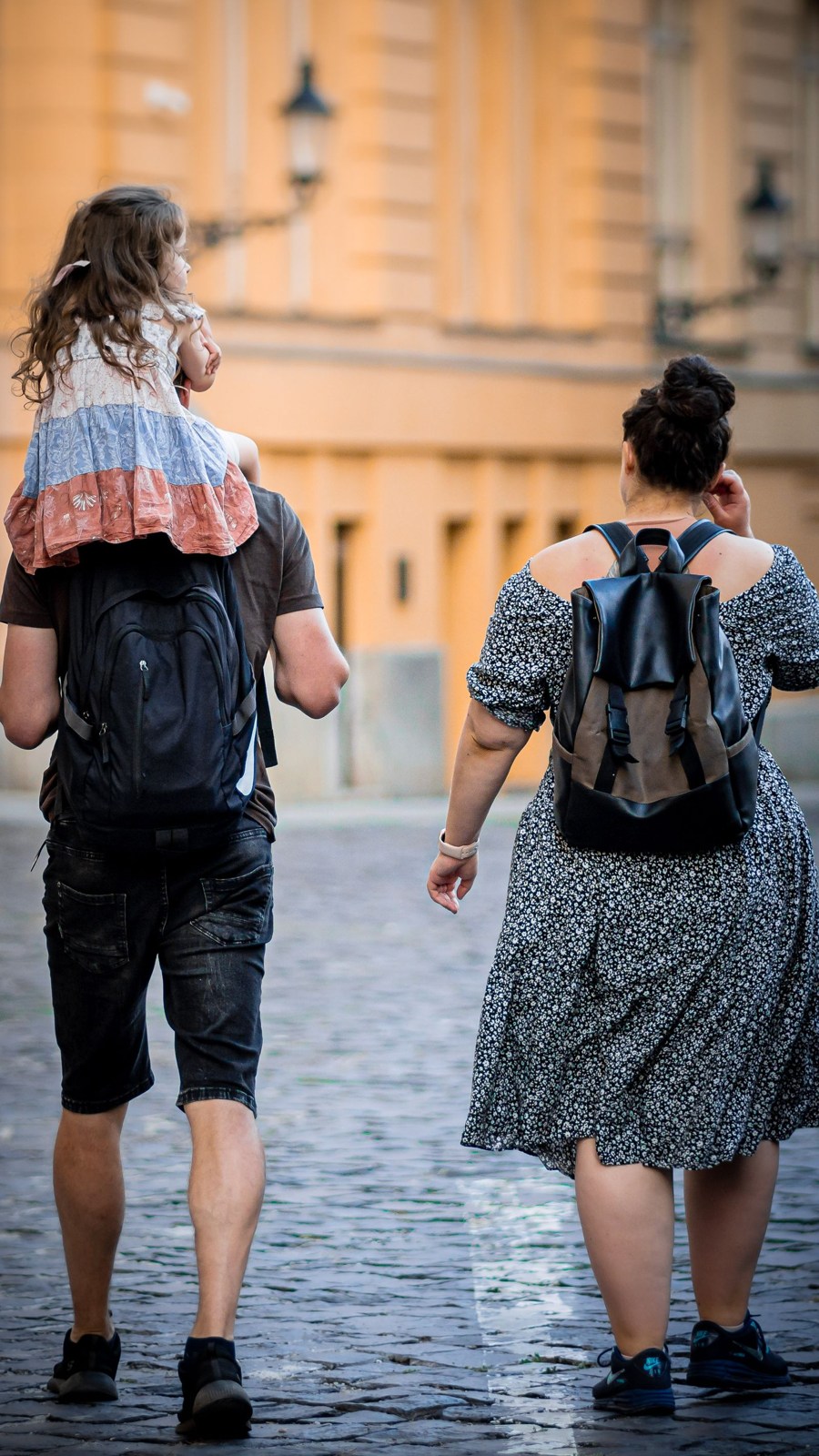
Carry small necessities where you can retrieve them without unpacking everything. Drinks, an appropriate snack and familiar entertainment can help with transitions. The selection depends on your children's ages and needs. More luggage is not automatically more helpful if it makes every move harder for the adults and the group.
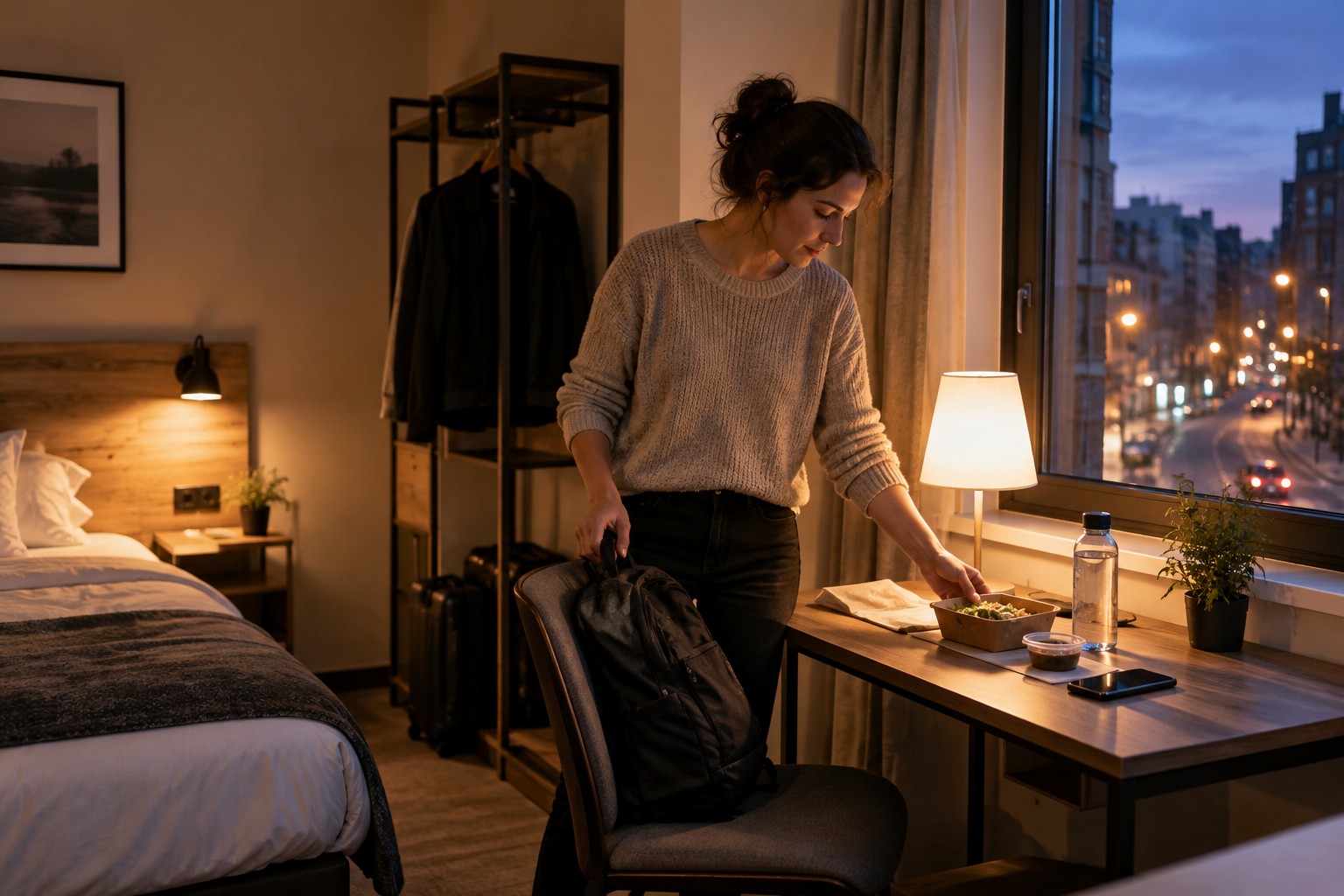
Treat returning to the accommodation as a real option. A midday period in the room may work better than several increasingly short pauses outside. The accommodation location needs to fit the day's area for this to be practical. If returning is complicated, choose activities closer together or a different daily rhythm.
Include stopping points with limited consequences
For fixed bookings, check duration and admission conditions. Avoid several non-changeable appointments in immediate succession. A day is easier to adjust when an open period follows its main visit. Finishing earlier need not then mean abandoning several further activities that have already been paid for.
When concentration or mood declines, shorten the route at an identifiable point. Know the simplest way back. Judge the day by whether the selected experiences suited your family, rather than whether every item was completed. The next trip can build on those observations instead of repeating the same overcrowded plan and hoping that everyone manages it differently.