Separate looking for photographs from sightseeing
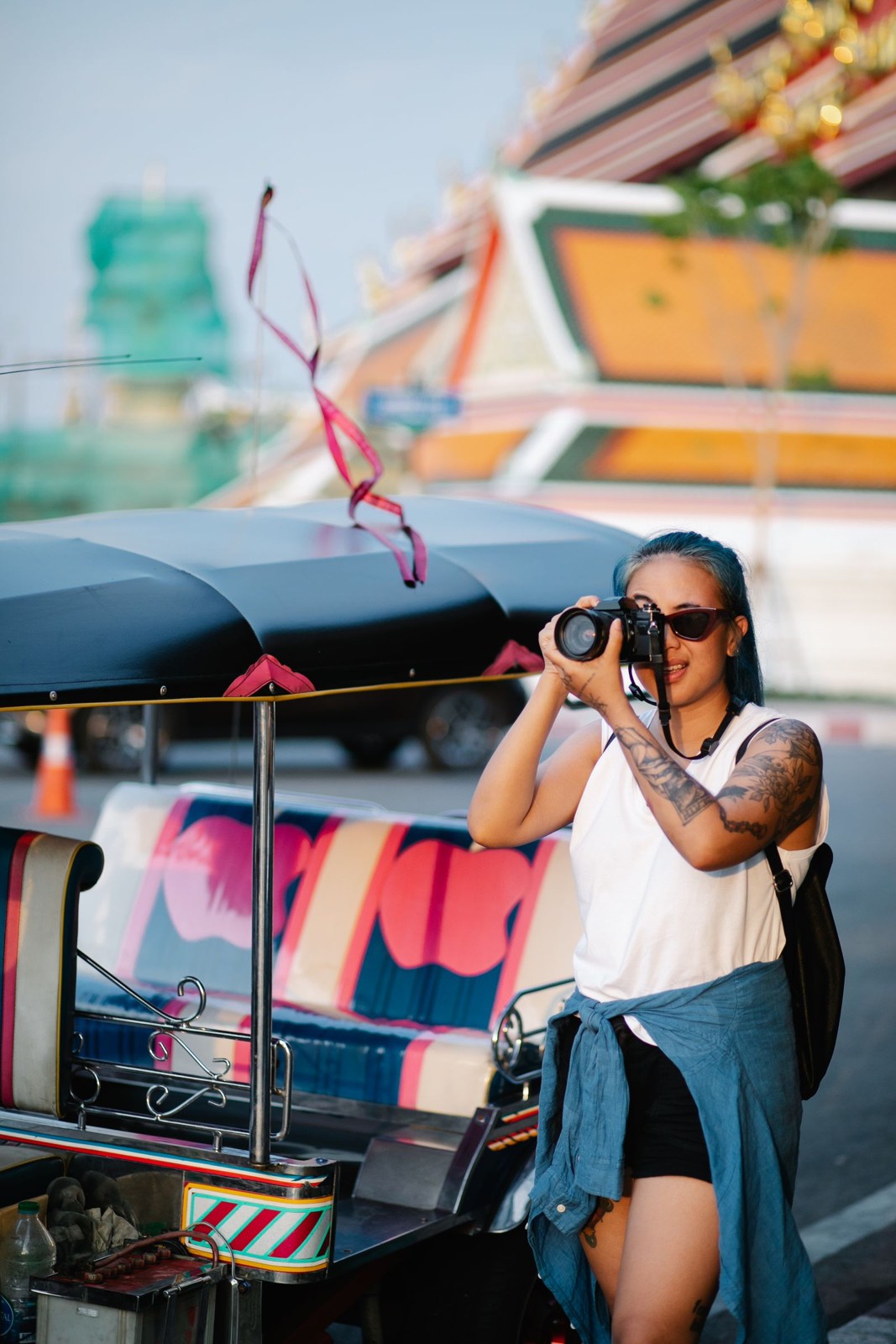
Consider which images you actually want to make. A street scene, building and detail inside an exhibition require different conditions. Time of day may matter for a particular outdoor view; opening hours and photography rules matter indoors. Choose a few clear priorities instead of demanding a finished photograph from every place you pass.
Treat a photography period as an activity rather than an invisible extra. Finding a position, waiting and putting equipment away safely all take time. If a companion expects only a brief look, you may otherwise have different ideas about the length of the stop. Agreeing beforehand makes that difference explicit and easier to accommodate.
Respect rules and space
Check the specific requirements in museums and other interiors. A venue's rules may distinguish private photographs, flash, tripods and other uses. Do not assume that permission in one location applies everywhere. Notices in an individual room may add relevant restrictions, so remain attentive after you have passed the main entrance.
Keep doors, routes and other visitors' views clear. A large tripod may suit a narrow city walk less well than smaller equipment. Choose what you can realistically carry and use during the day. A substantial camera bag can complicate sightseeing even when each individual device offers interesting possibilities in the right setting.
Be considerate when people appear in images, and ask when planning a deliberate portrait of someone. Do not automatically publish every photograph made during a trip. For particular uses or uncertain situations, check the applicable requirements. A general travel article cannot provide blanket permission for every act of photographing or publishing a person or place.
Leave time for both experiences
Sometimes put the camera away and look at the place without preparing the next frame. Constantly searching for images can push the visit itself into the background. Conversely, a deliberately chosen photography walk can reasonably be slower than an ordinary transfer. What matters is knowing which activity has priority at that moment.
After a longer photography session, retain time for food, the return journey and saving your files. Check battery and storage before the next day rather than discovering a problem at the location you wanted to photograph. A smaller set of considered images may record the trip more meaningfully than numerous hurried pictures taken between appointments placed too closely together.