Keep observing beneath the arcades
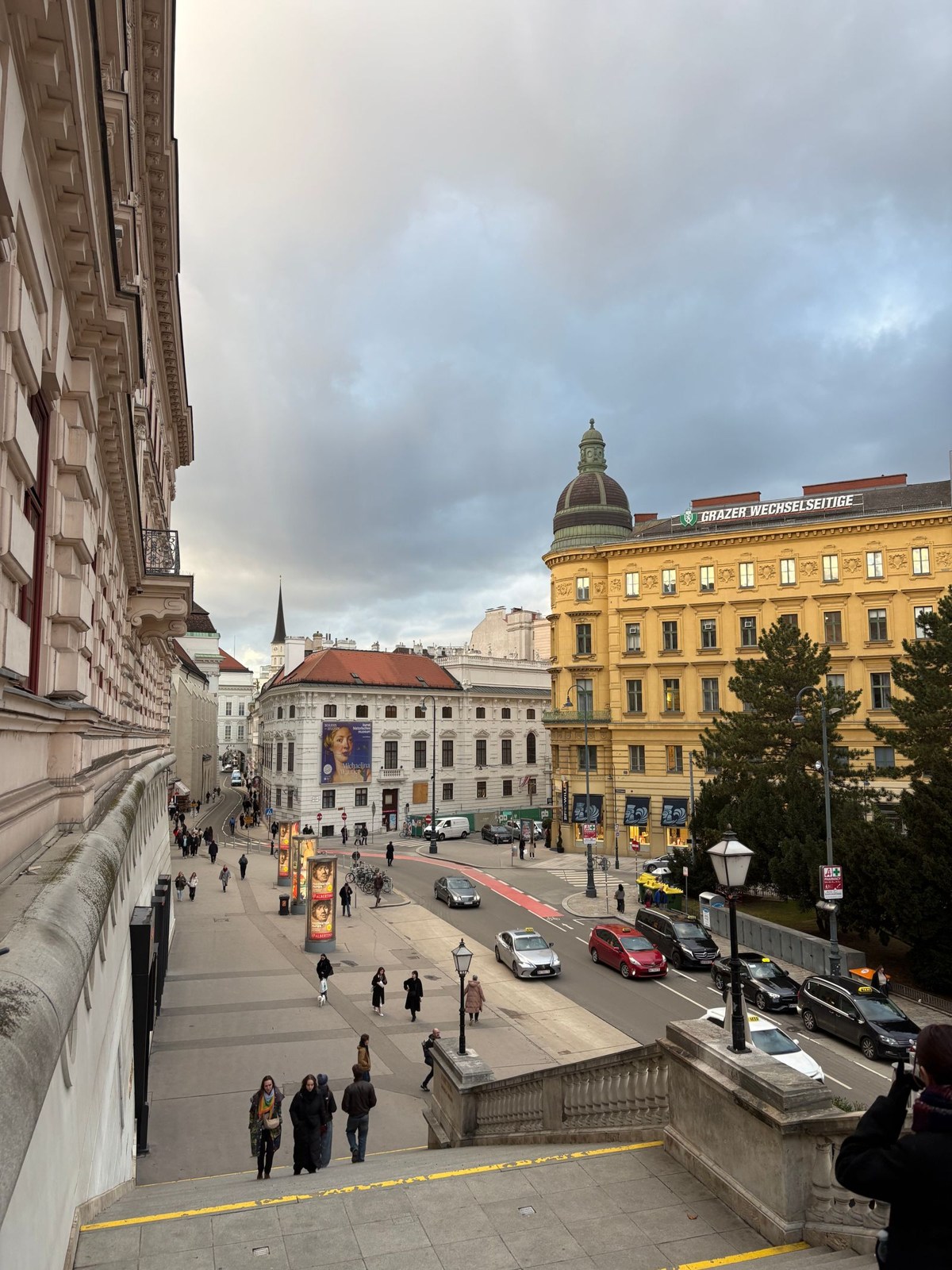
Arcades shape much of the historical streetscape. They offer sections sheltered from sun or rain and support slower attention to shops and entrances. The route is not entirely covered, however: squares and crossings remain exposed. A light outer layer is still useful.
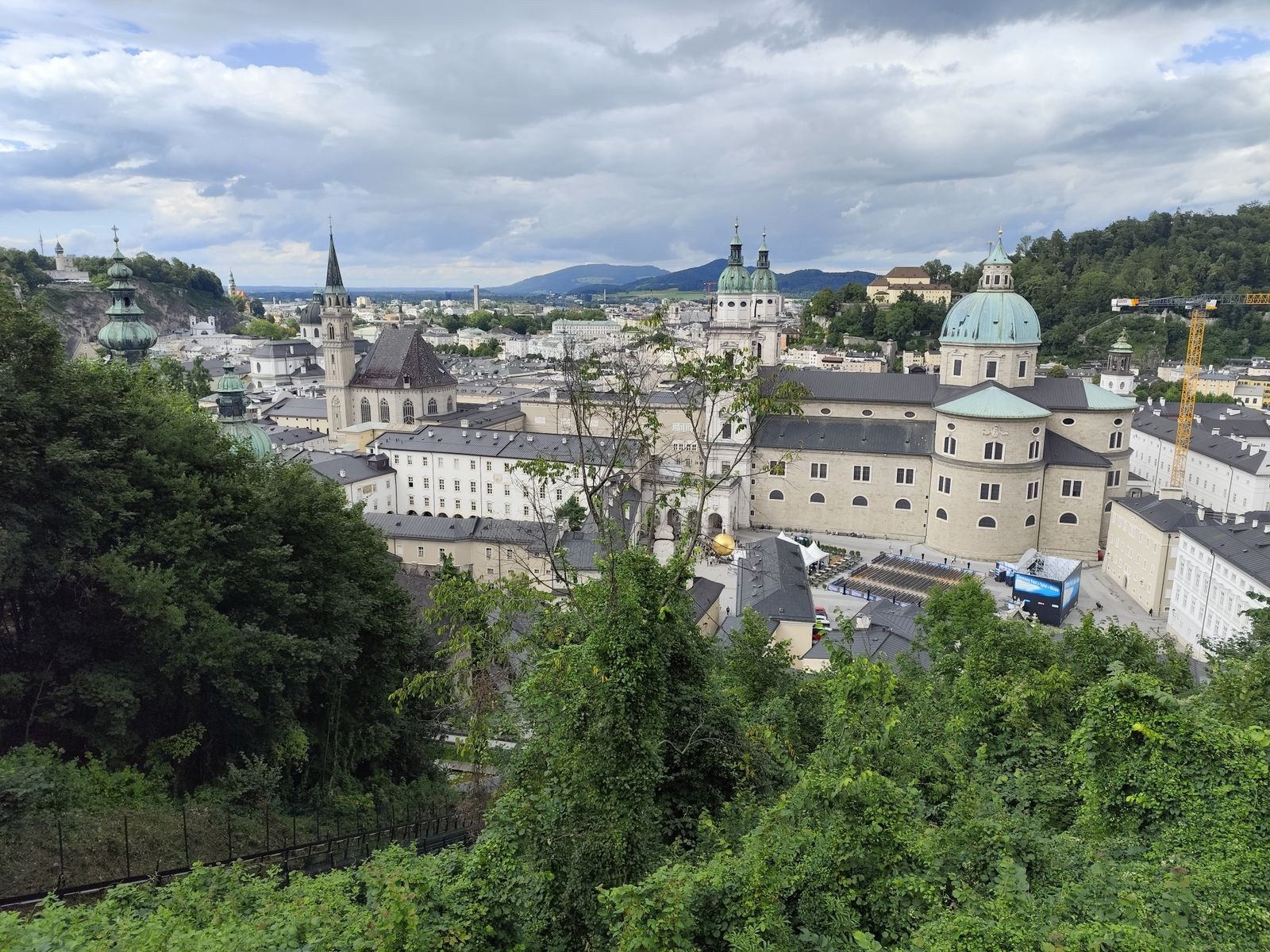
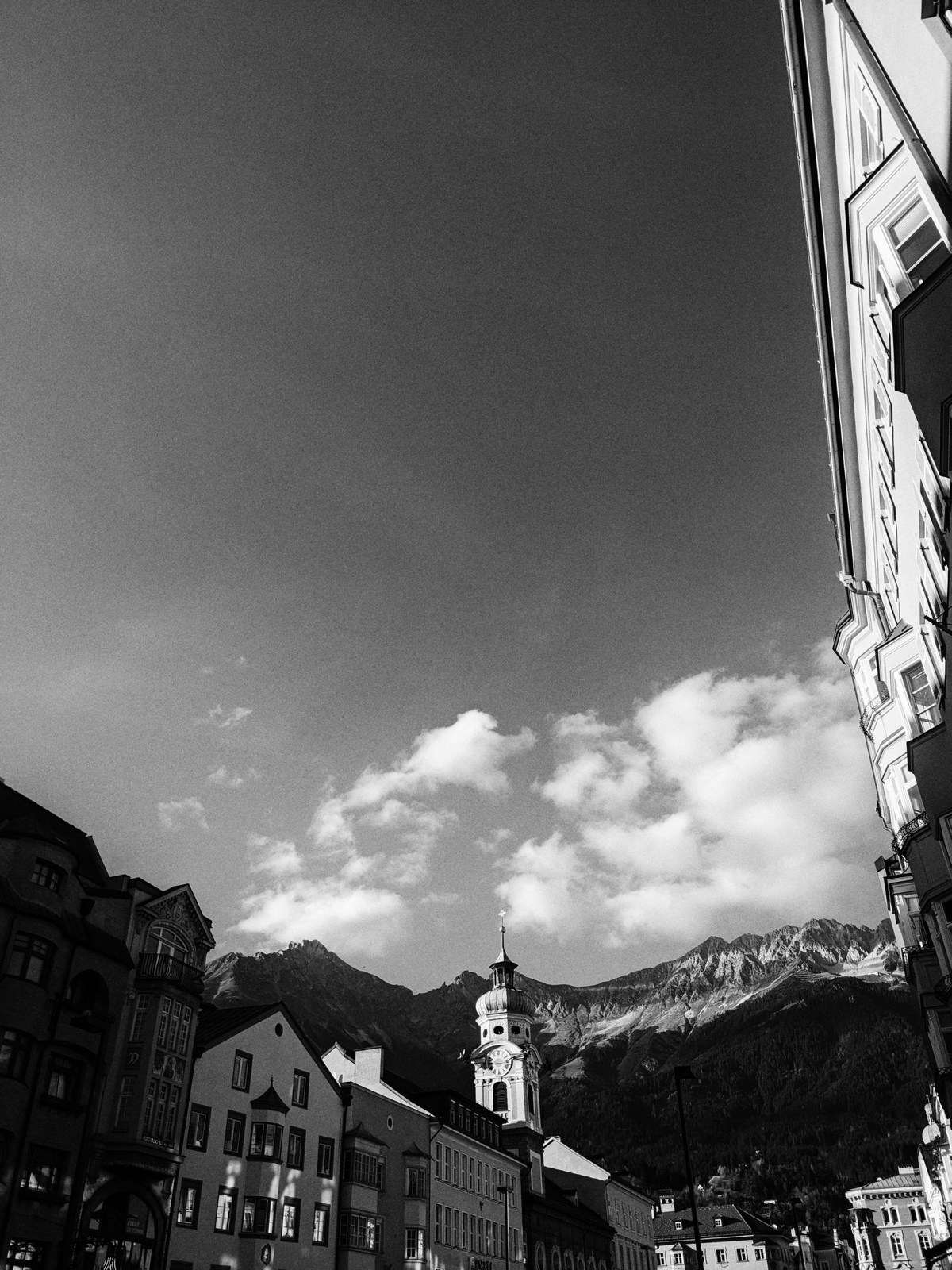
Choose a corridor through the old town and allow small diversions. The Zytglogge, cathedral surroundings and eastern streets can provide orientation. A tower visit or guided tour is a separate activity, not merely a few extra minutes. If booking one, keep the surrounding walk flexible.
Vaulted cellars and historic entrances belong to a working city. Not every intriguing staircase is a public sightseeing route. Enter shops or cultural premises according to their arrangements and leave private approaches clear. The public streets already reveal much about the structure of the buildings.
Connect upper and lower levels deliberately
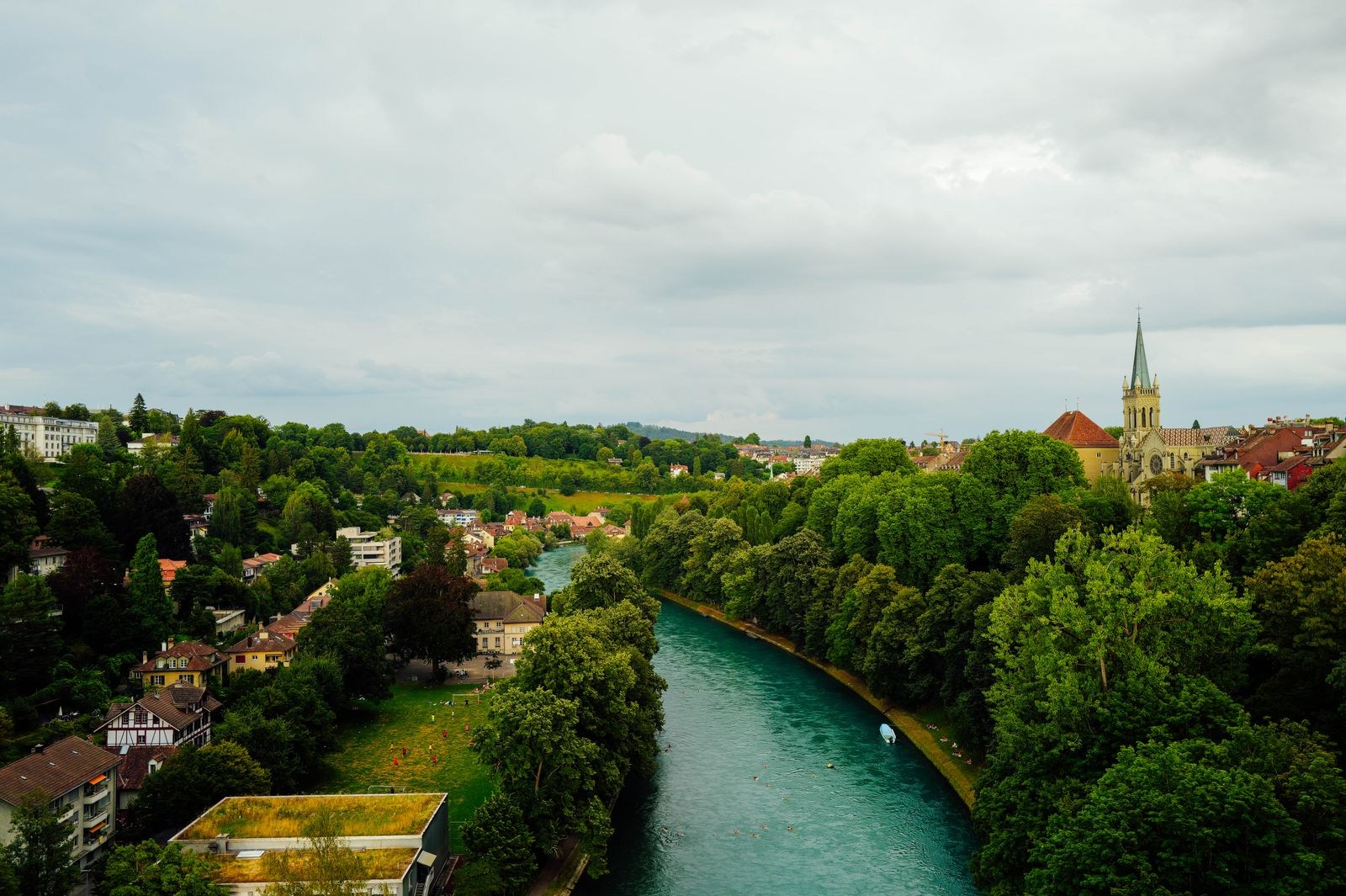
A terrace or bridge view reveals the Aare bend from above. It does not require immediately descending to the water. Decide whether the panorama or an actual riverside walk is your objective. This distinction matters particularly when keeping the overall walking distance limited.
Include the climb back when planning a river route. An enjoyable descent may feel more demanding in reverse after a long urban walk. Check alternative connections and choose a clear endpoint. The Aare's proximity on the map does not make it a level continuation of every old-town street.
A river walk is also not an invitation to swim. The Aare is flowing water, and a short city-break plan need not include any water activity. Stay on open paths and follow local notices, especially after heavy rainfall.
With two days, devote one to the arcades and an interior, and use the other for an outdoor loop. In rain, a smaller old-town area still works when breaks are included. The important question is not how much of the river bend you circle, but whether the route suits your pace and the actual conditions.