32 articles
Europe
Europe
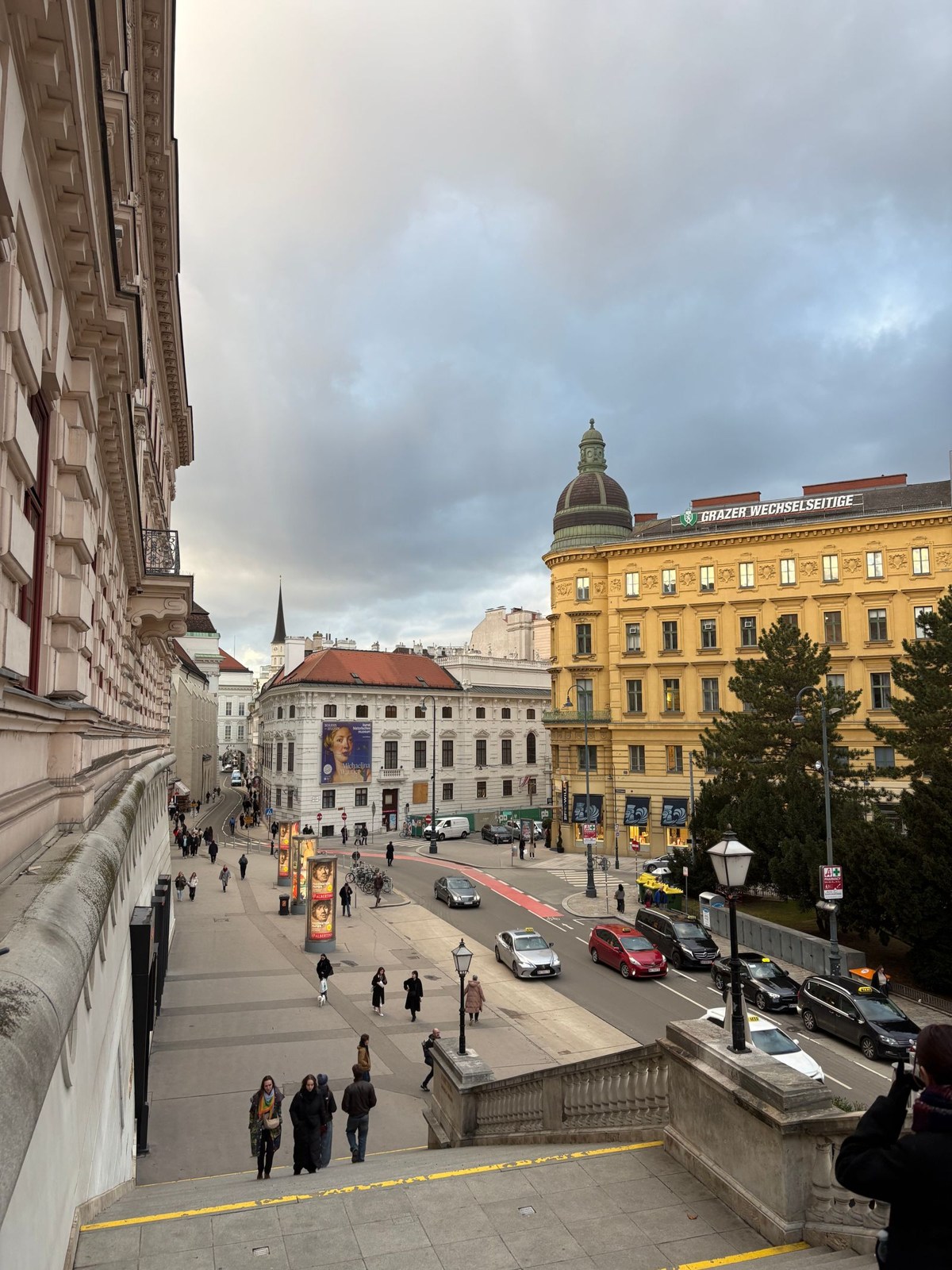
Vienna: planning a first visit by district
Vienna becomes easier to understand on a first trip when each day has a geographical focus. District numbers help orientation, but do not replace checking actual journeys and interests.
Europe
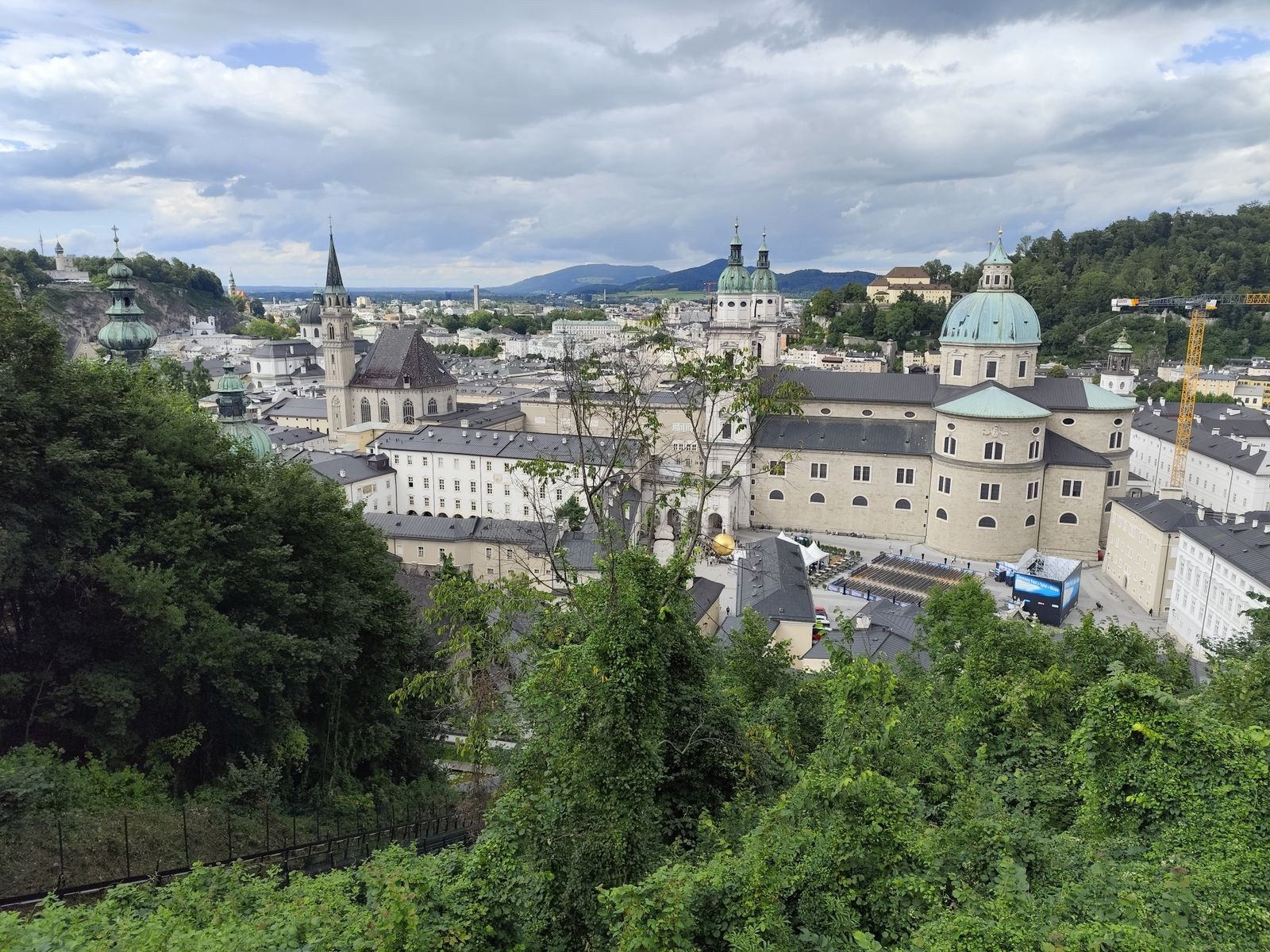
Salzburg: old-town sights and viewpoints with breaks
Salzburg's old town and viewpoints are close together but lie at different heights. Make the elevated view a deliberate part of the day rather than a reward to be hurriedly reached after everything else.
Europe
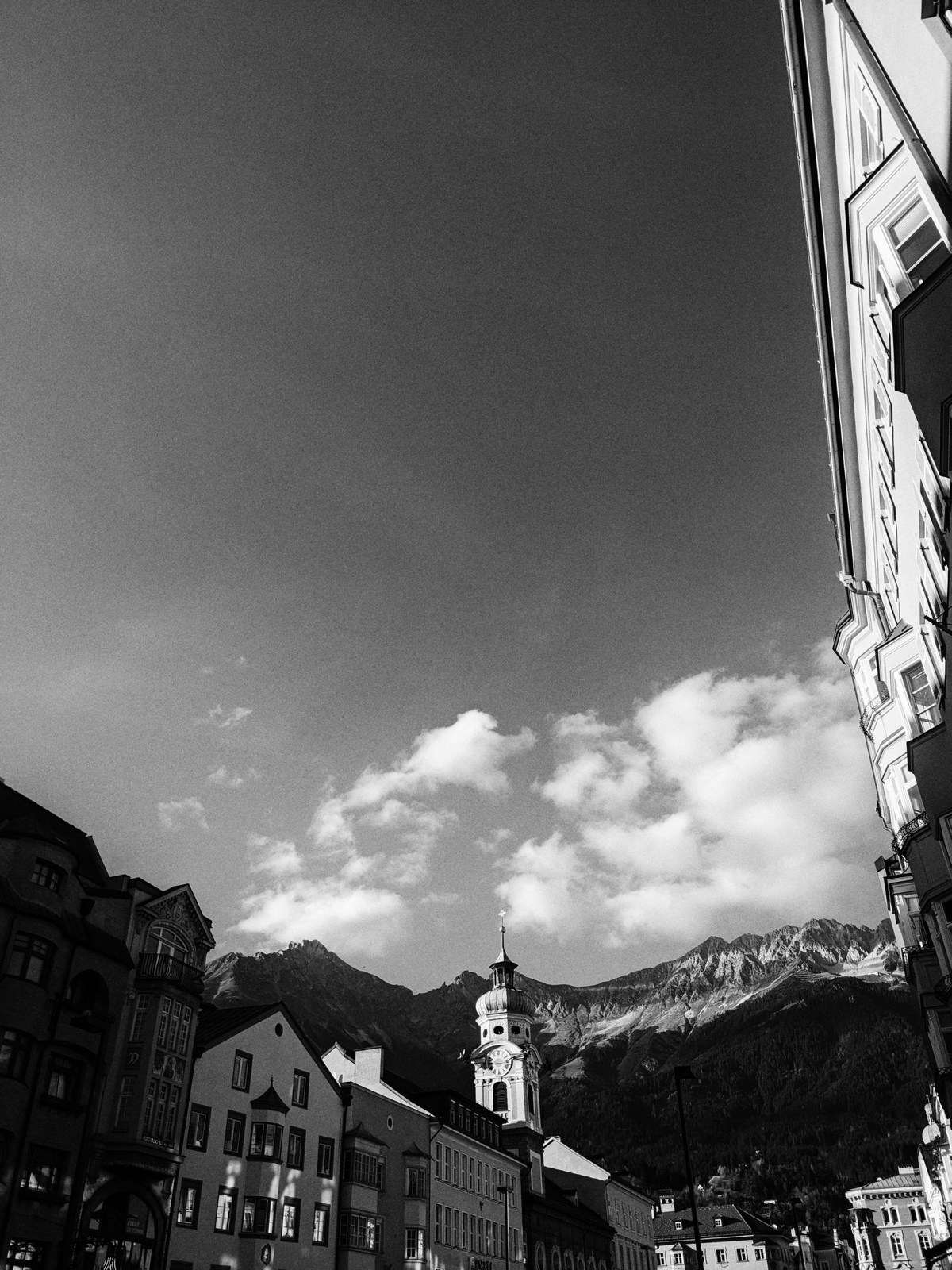
Innsbruck: a city stay without a mountain itinerary
Innsbruck works as a city break without a mountain journey every day. The old town, Inn and Hofgarten form a coherent experience of their own, particularly on a short stay.
Europe
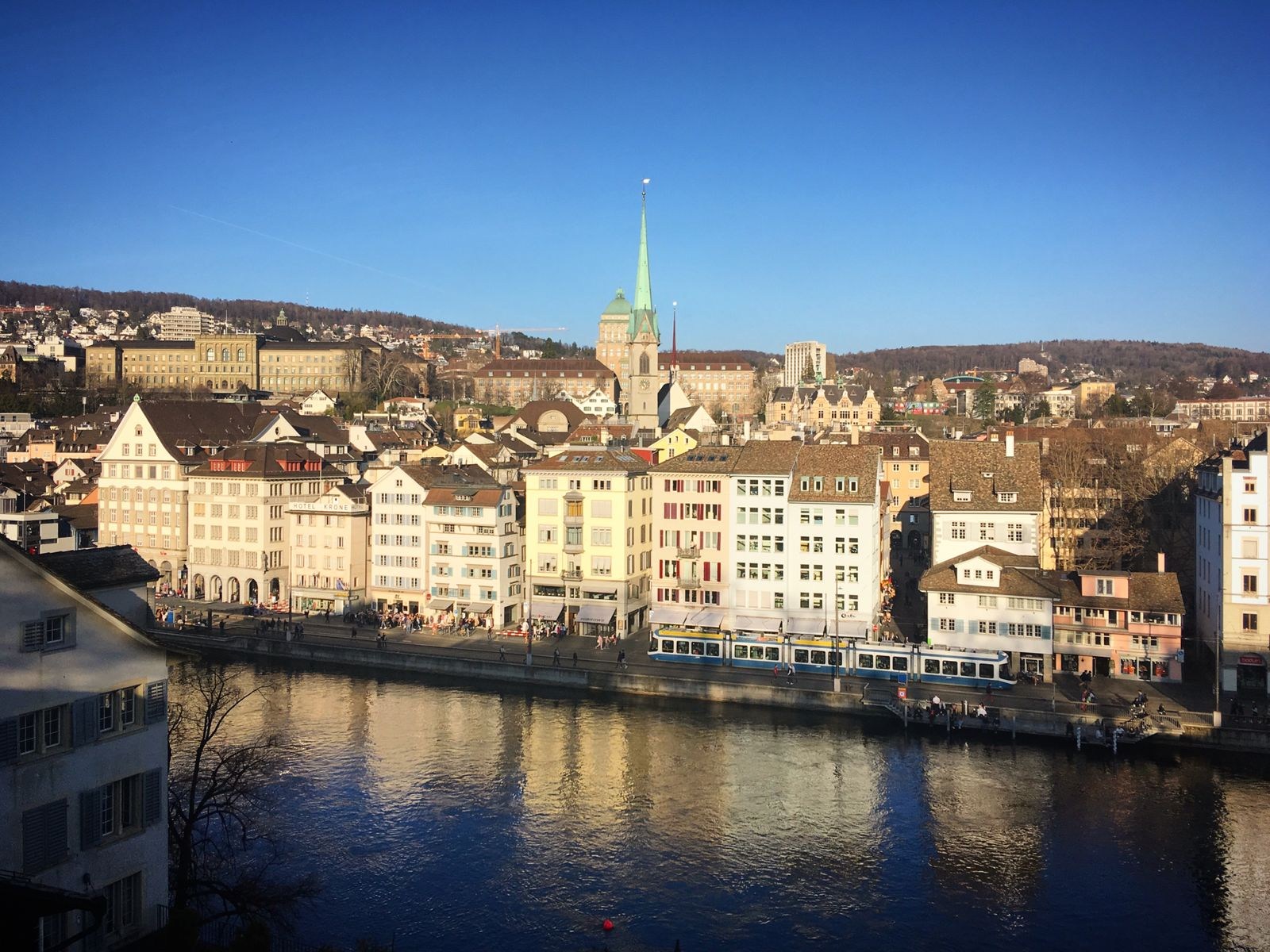
Zurich: lakeside walks, old town and where to stay
Zurich's old town, Limmat and lake meet close together. Accommodation and daily planning depend on whether you want that central connection or a longer stay beside the lake.
Europe
Lucerne: lake and old town in changing weather
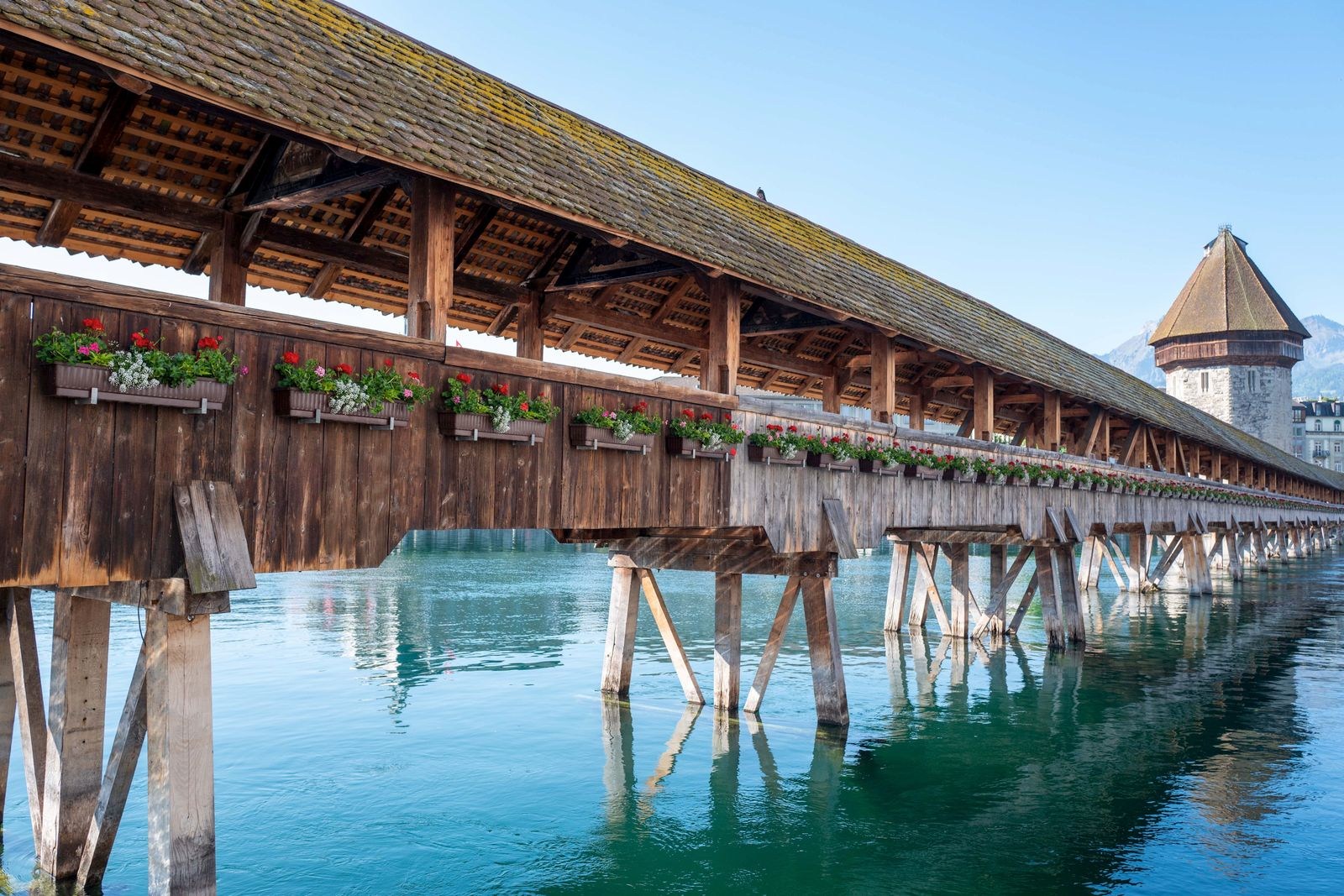
Lucerne brings old town, Reuss and lake close together. In changeable weather, use that advantage without filling every spare interval with another reservation just in case.
Europe
Bern: arcades and the Aare bend on foot
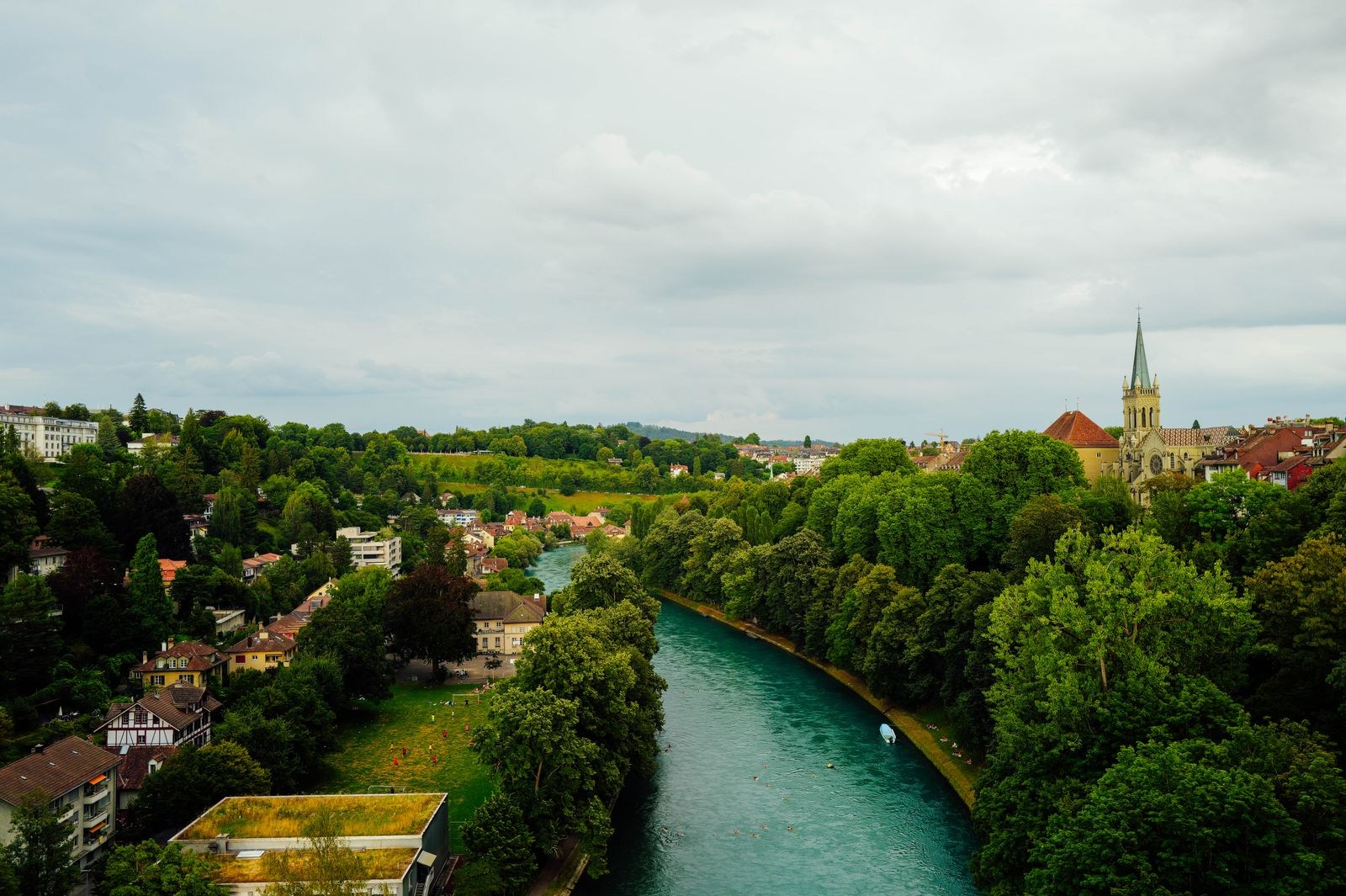
Bern's old town occupies a bend in the Aare. Arcades help make a city walk comfortable, but descending to the river introduces an elevation change that a map can understate.
Europe
Amsterdam: spacing out canals and museum visits
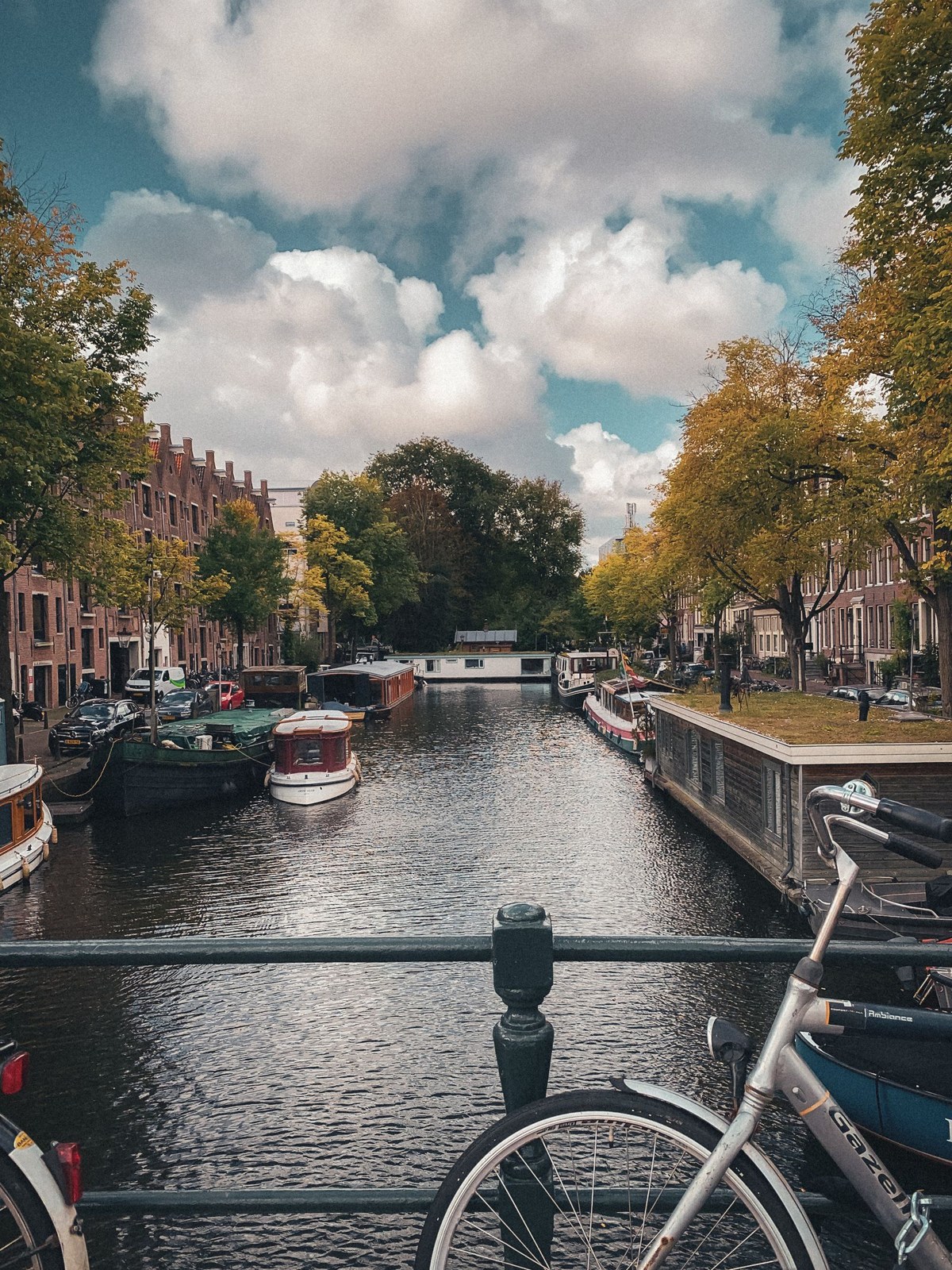
Amsterdam becomes tiring when every canal and museum turns into another destination. A limited canal section and one selected interior leave more room for experiencing the city itself.
Europe
Utrecht: planning a smaller Dutch city weekend
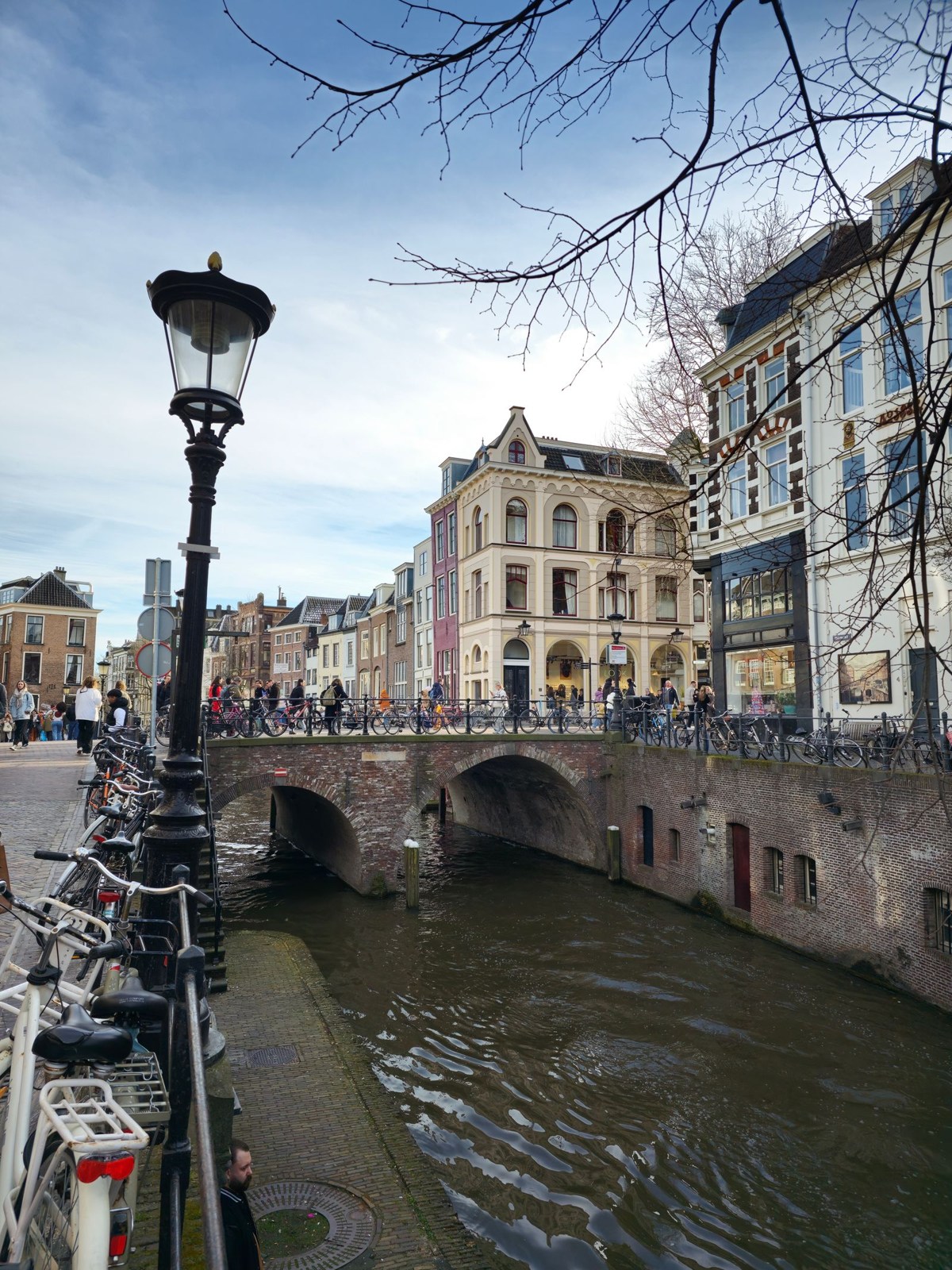
Utrecht's Oudegracht has paths and vaulted spaces on different levels. That gives a small city weekend its own character, but calls for closer attention to access than a simple line along a canal suggests.
Europe
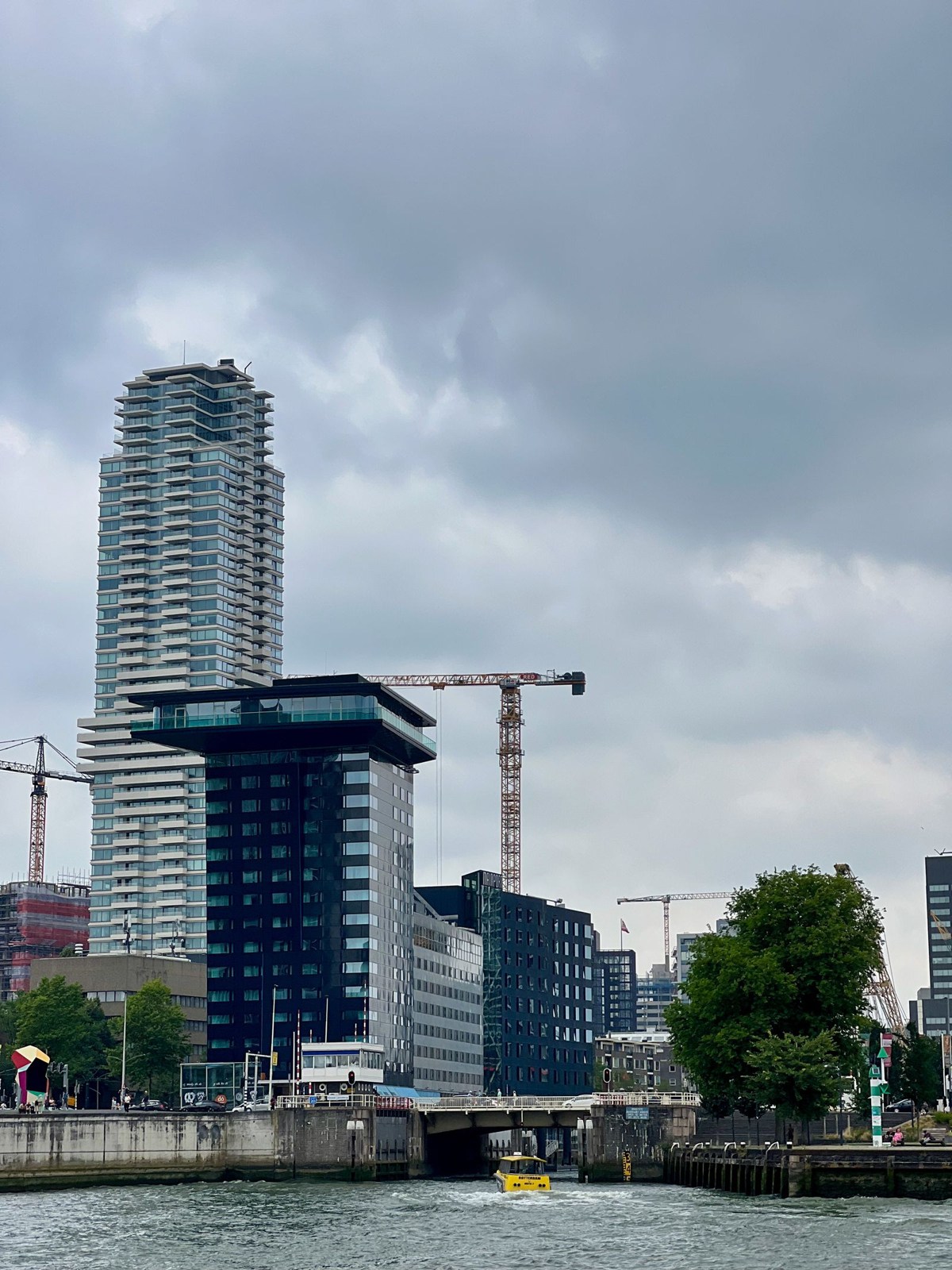
Rotterdam: architecture walks rather than an old-town loop
Rotterdam is understood through architecture, water and larger urban spaces. A route modelled on a compact medieval old town does not suit its distances and forms.
Europe
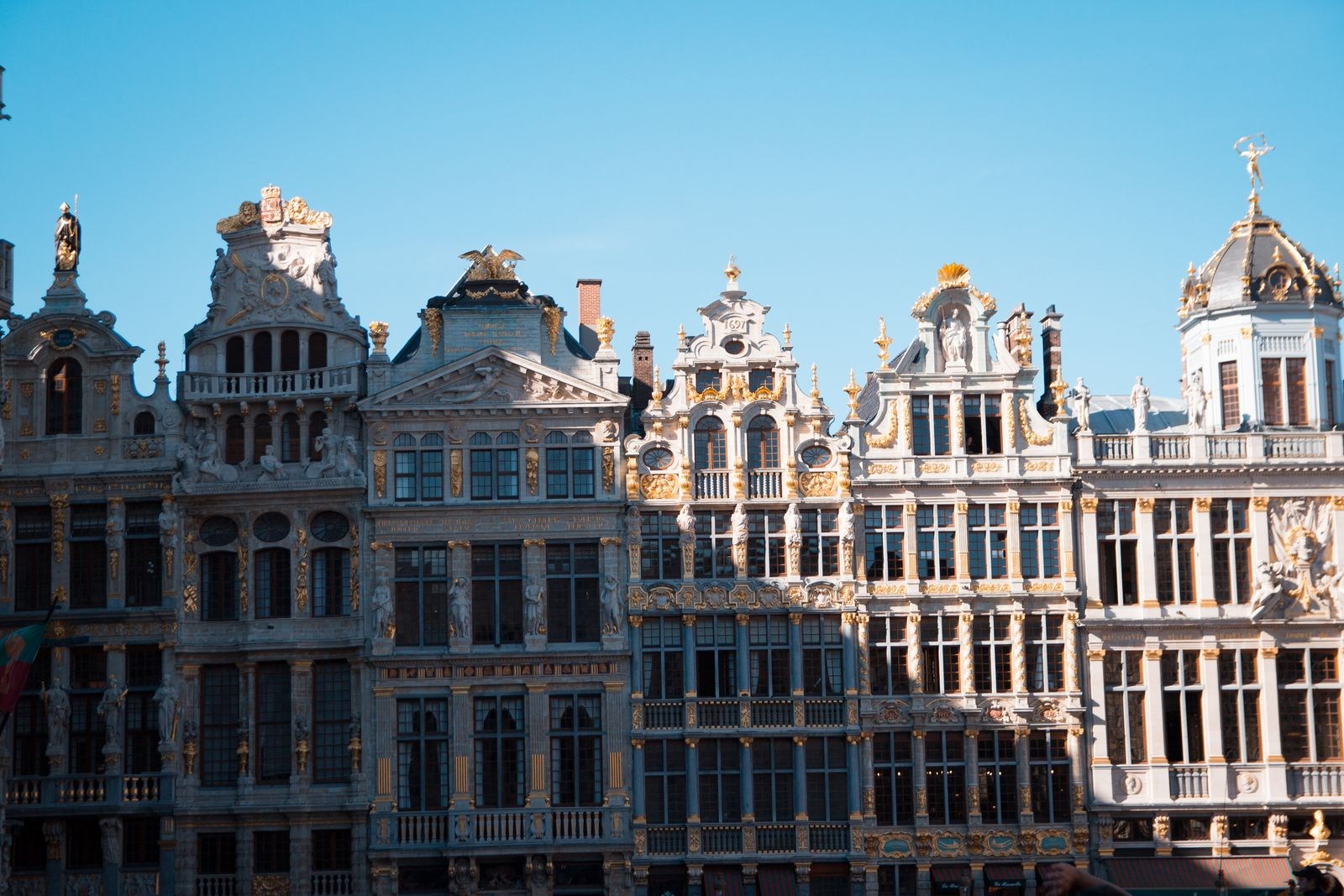
Brussels: linking the upper and lower town
Brussels' historical centre is not entirely level. The route from Grand-Place to the Royal Quarter climbs, and that relationship should shape the day rather than being dismissed as a brief connection.
Europe
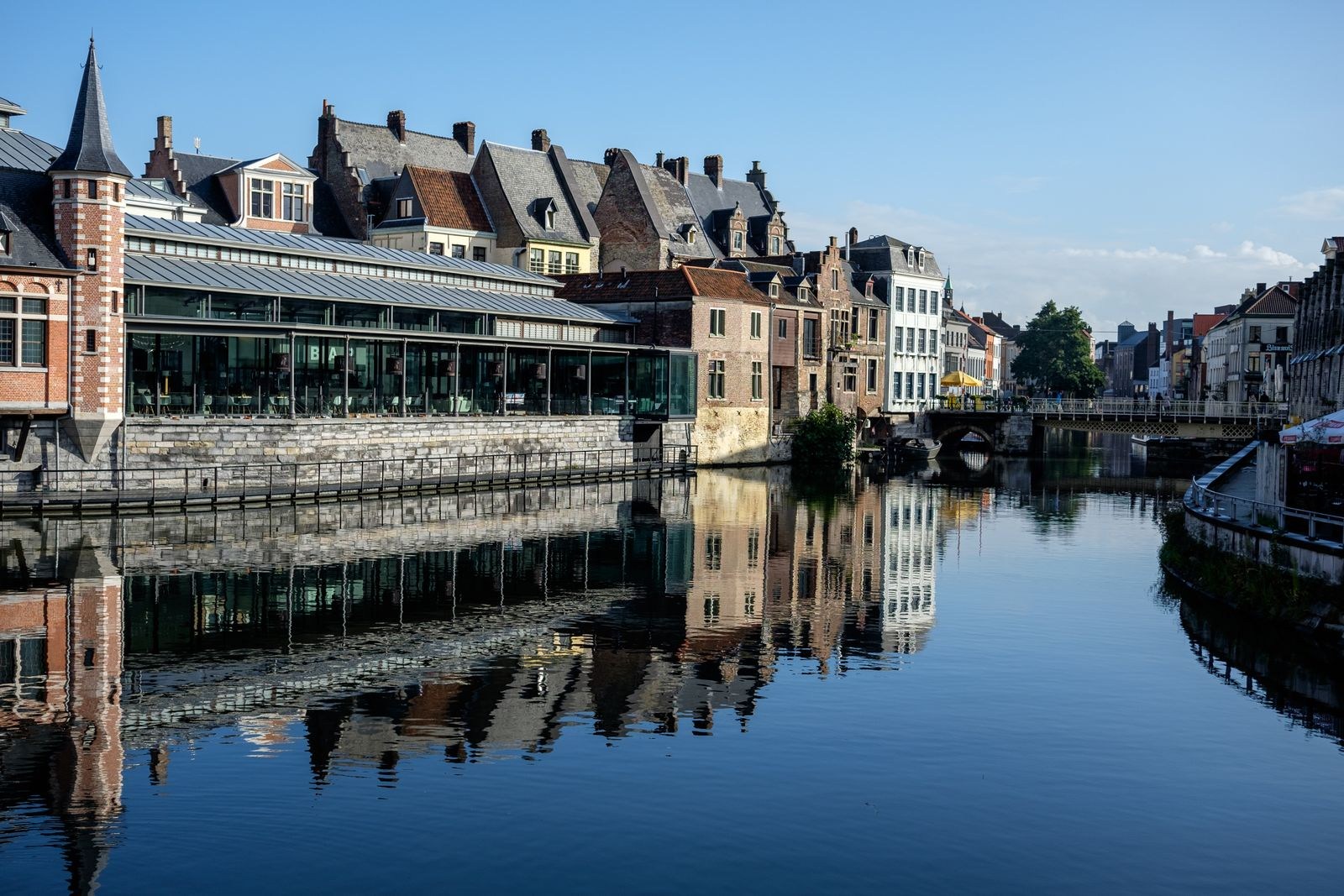
Ghent: waterways and old town over two days
Ghent's waterways and historical squares are close enough for a stay without constant relocation. Two days allow an overview followed by a more focused return.
Europe
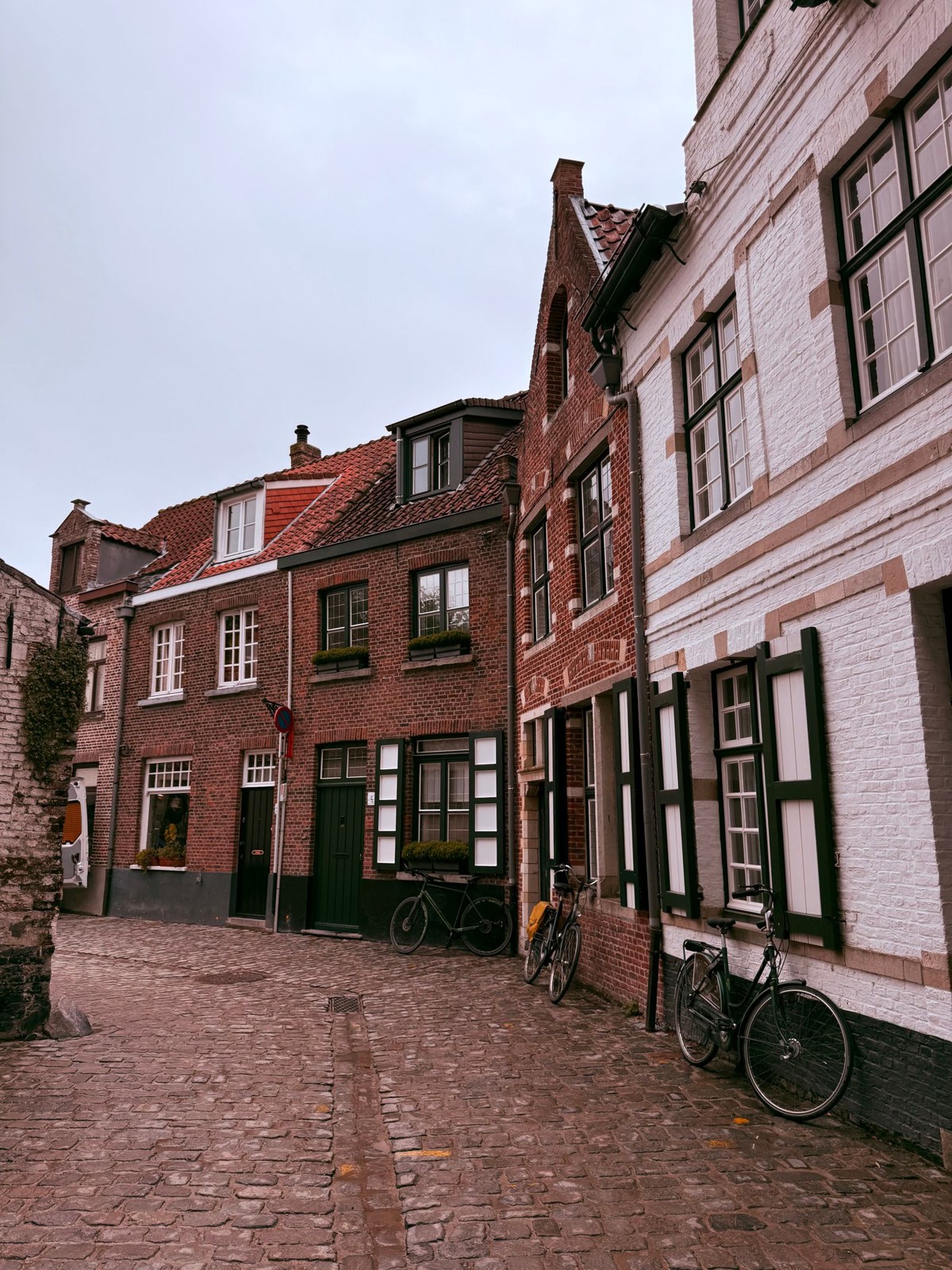
Bruges: leaving space beyond the busiest sights
Bruges' most recognised squares and canals can quickly dominate a visit. Adding a quieter street section helps reveal more than a sequence of familiar views.