Replace the substantial outdoor blocks
Mark activities that depend strongly on the weather. A short walk between two buildings does not require a complete alternative programme, while a long park visit or open-air viewing trip may. Find one suitable substitute for each substantial block instead of collecting every museum in the city.
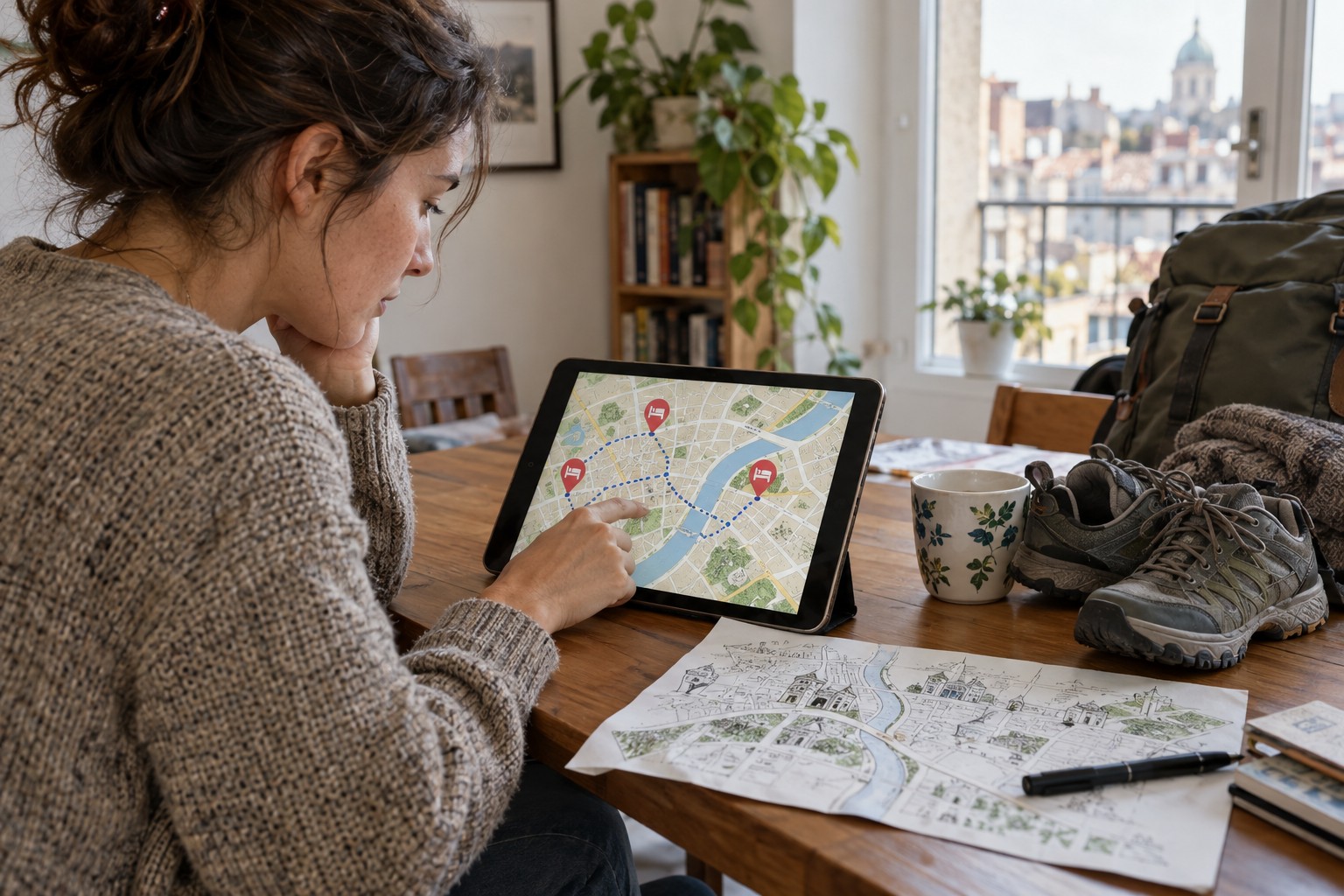
Keep the substitute in the same area or within easy reach. If a shower triggers a journey across town, you may lose more time than by taking a short local break. Check that the indoor activity actually interests you too. Being dry is not by itself a good reason to spend several hours in a collection you would otherwise avoid.
Enable a change without conflicting bookings
Check opening days, entry conditions and any required time slots. A popular museum is not automatically available for an unplanned visit on a rainy day. At the same time, avoid making two fixed bookings for the same period when you will necessarily abandon one. Examine change conditions before buying admission solely as weather insurance.
Choose a useful moment to decide. For an informal walk, checking conditions in the morning may be enough. A booked guided visit has different constraints. Separate your own willingness to be outdoors from the provider's operating and cancellation terms. Choosing a different activity yourself does not automatically make an existing booking refundable.
Retain meals and breaks in both versions of the day. Wet weather does not become easier because you line up four indoor visits without a pause. A nearby café may bridge a short shower; an entirely wet day needs a different rhythm from repeatedly waiting for conditions to improve. Treat these as different planning situations.
Keep equipment and route changes manageable
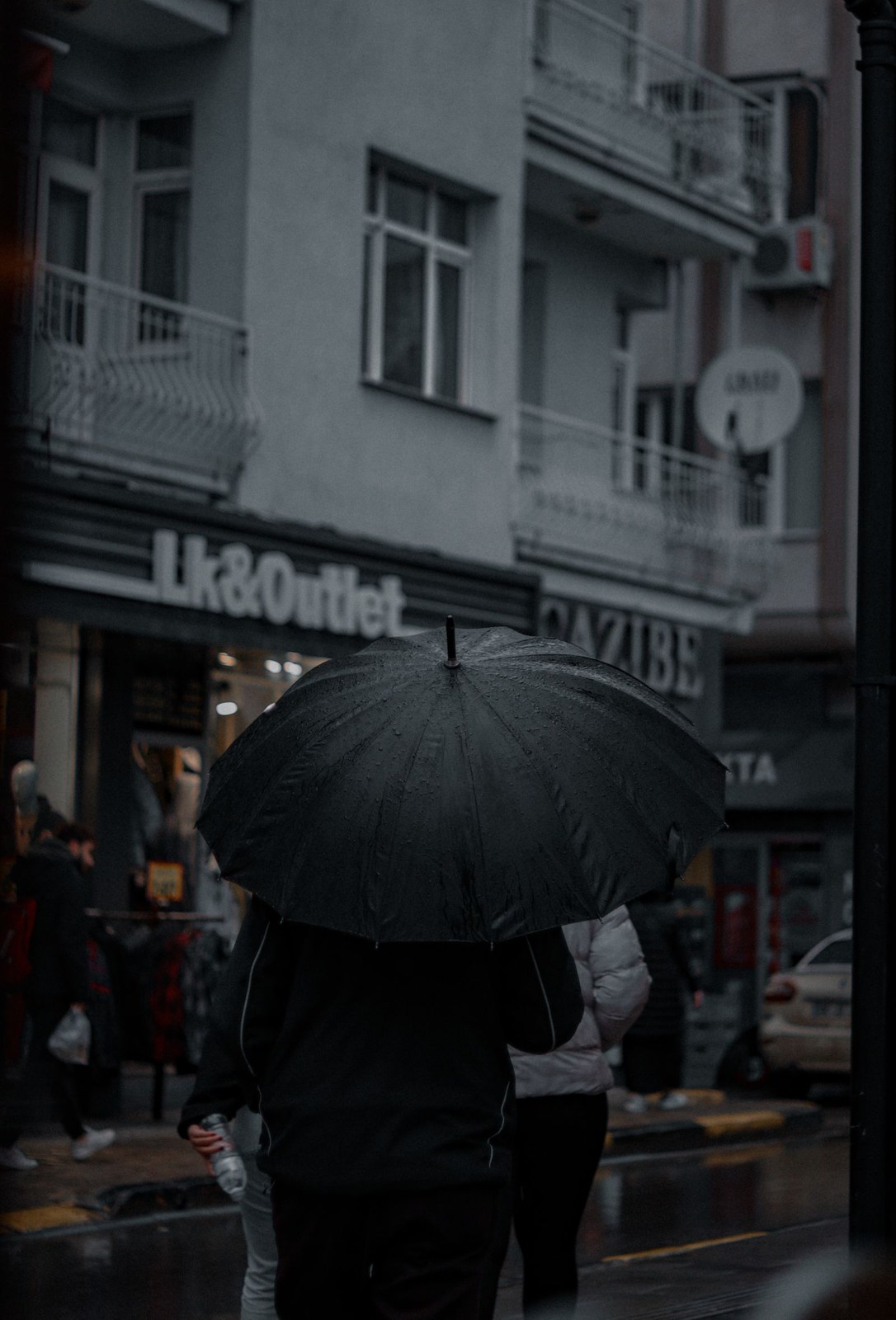
Pack rain protection where you can reach it and protect documents you need during the day. Consider where wet clothing can be removed afterwards. Over several rainy days, being able to dry shoes or a jacket at the accommodation may matter more than adding another activity. Confirm what is realistically possible rather than assuming every room has suitable drying space.
After switching plans, you do not have to return to the original route as soon as the sky brightens. Choose the next sensible activity from where you now are. That produces a connected day instead of a catch-up exercise across several districts. The prepared alternative should simplify decisions, not create a second equally rigid timetable that also has to be completed.