Define the likely use
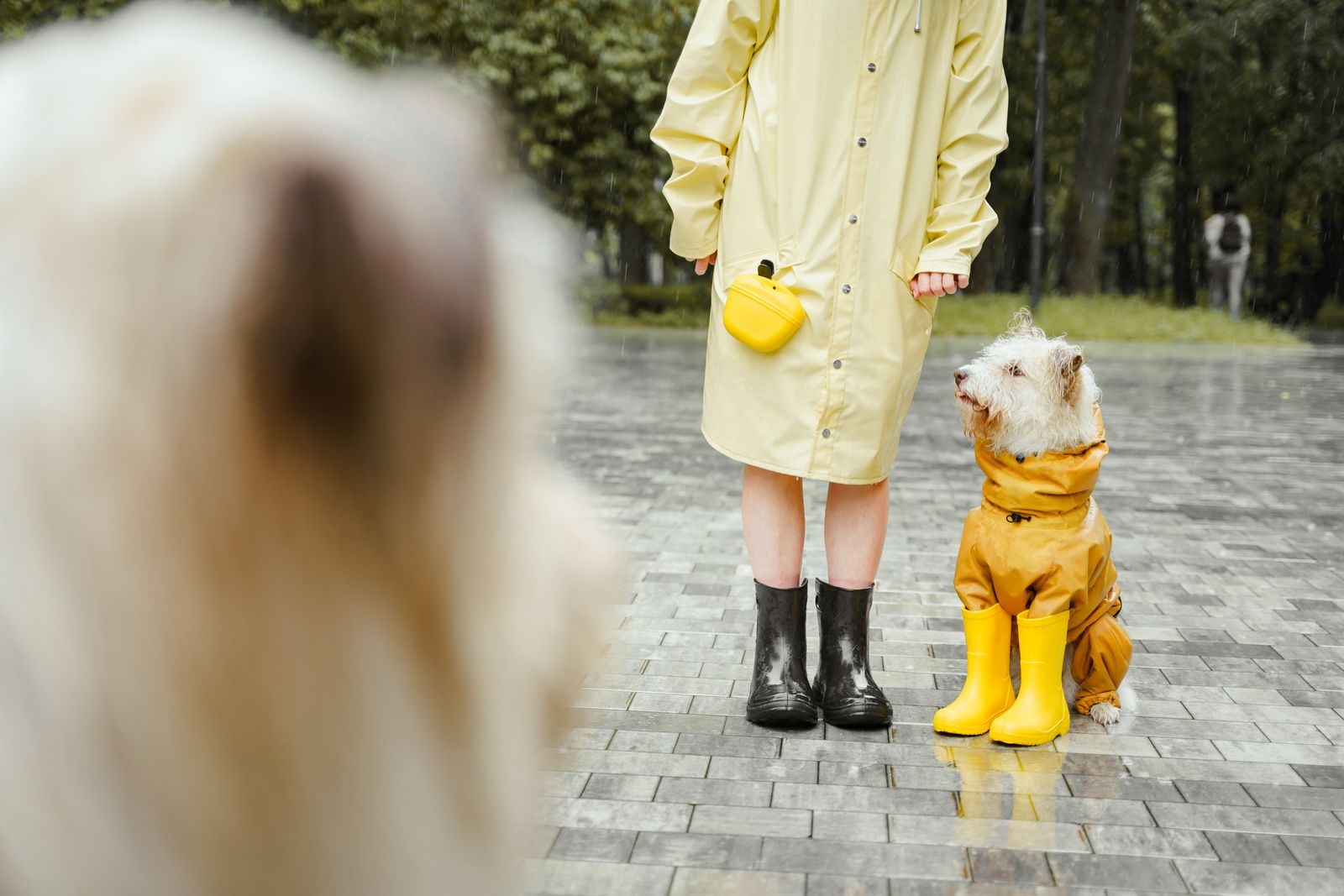
Are you preparing for short showers between indoor visits or several hours outside? For the first situation, small packed size and easy access may matter more than numerous technical details. Longer walks in rain place more emphasis on suitable coverage, protected closures and a hood that stays in position as you move. Water-resistant and waterproof do not mean the same thing; read the specific product description.
A longer coat covers a different area from a short jacket, but behaves differently when sitting or climbing steps. Do more than stand in front of a mirror. Sit down, reach for a pocket and move your arms as you would while carrying your backpack. Consider where the hem sits when the shoulder straps pull the fabric slightly upwards.
Try it with the intended layers
Wear the layer you expect to have underneath on a cool travel day. Sleeves and shoulders should not become tight with that clothing in place. Too much room can also be inconvenient if fabric flaps around or the hood slips across your face. Turn your head both ways: you should not have to fight the hood fabric every time you look before crossing a street.
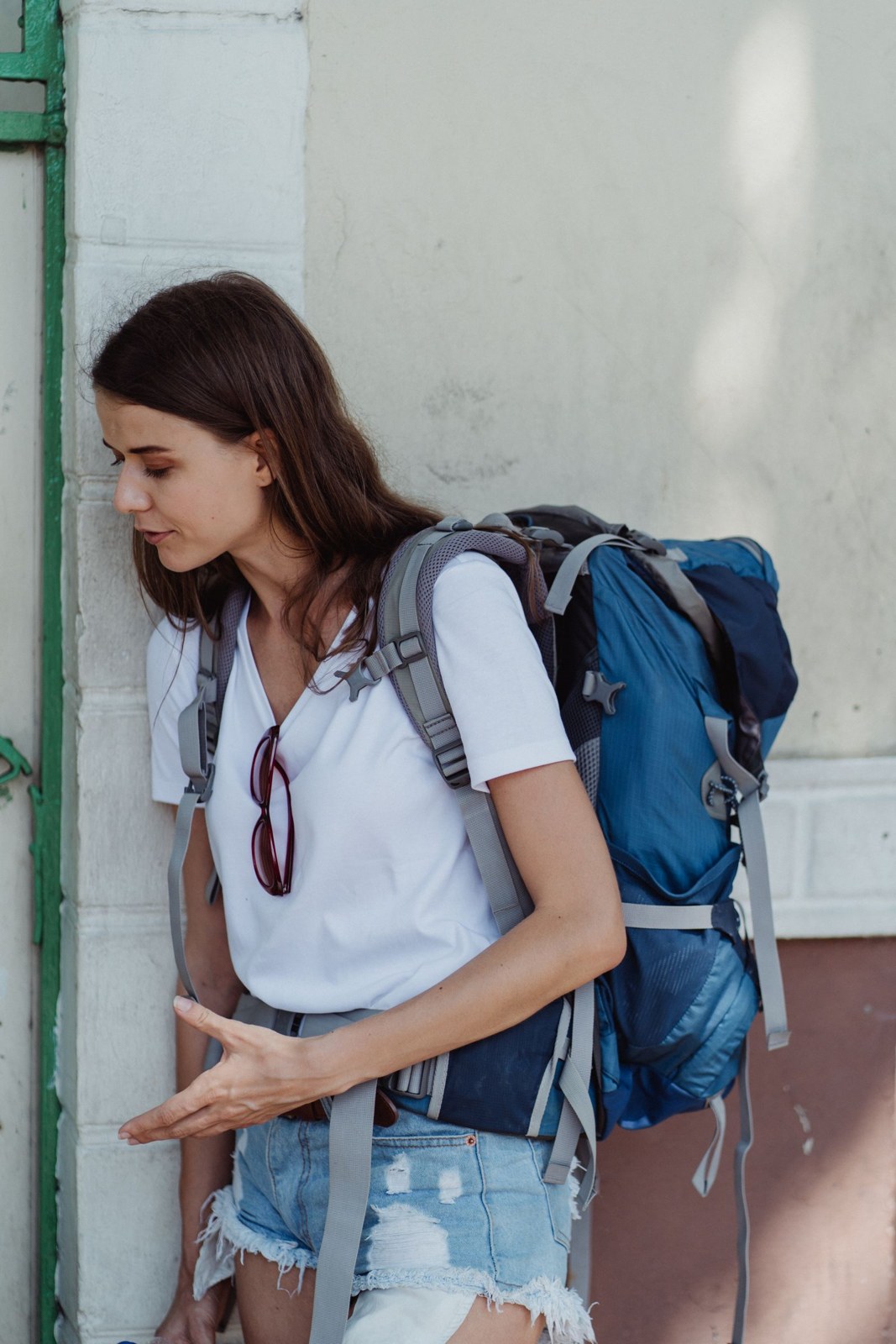
Operate the zips and adjustments without taking the jacket off. Check whether pockets remain accessible with the backpack straps fastened. A higher pocket may work well, whereas a lower one can disappear beneath a hip belt. Judge your actual combination of clothing and luggage instead of assuming that an extra pocket will always be useful.
Walking briskly creates moisture inside clothing too. Ventilation and the layers underneath affect comfort. No specification guarantees that you will remain dry in every situation. On a city trip, it may make sense to remove the shell during dry stretches and keep it accessible, rather than staying overdressed throughout the afternoon.
Think about care and storage
Read the care instructions before buying. A jacket requiring particular treatment should fit the care you can provide. Dirt and unsuitable washing can affect performance, so use the methods recommended for that specific material. Keep the instructions rather than applying a general rule to every type of rainwear.
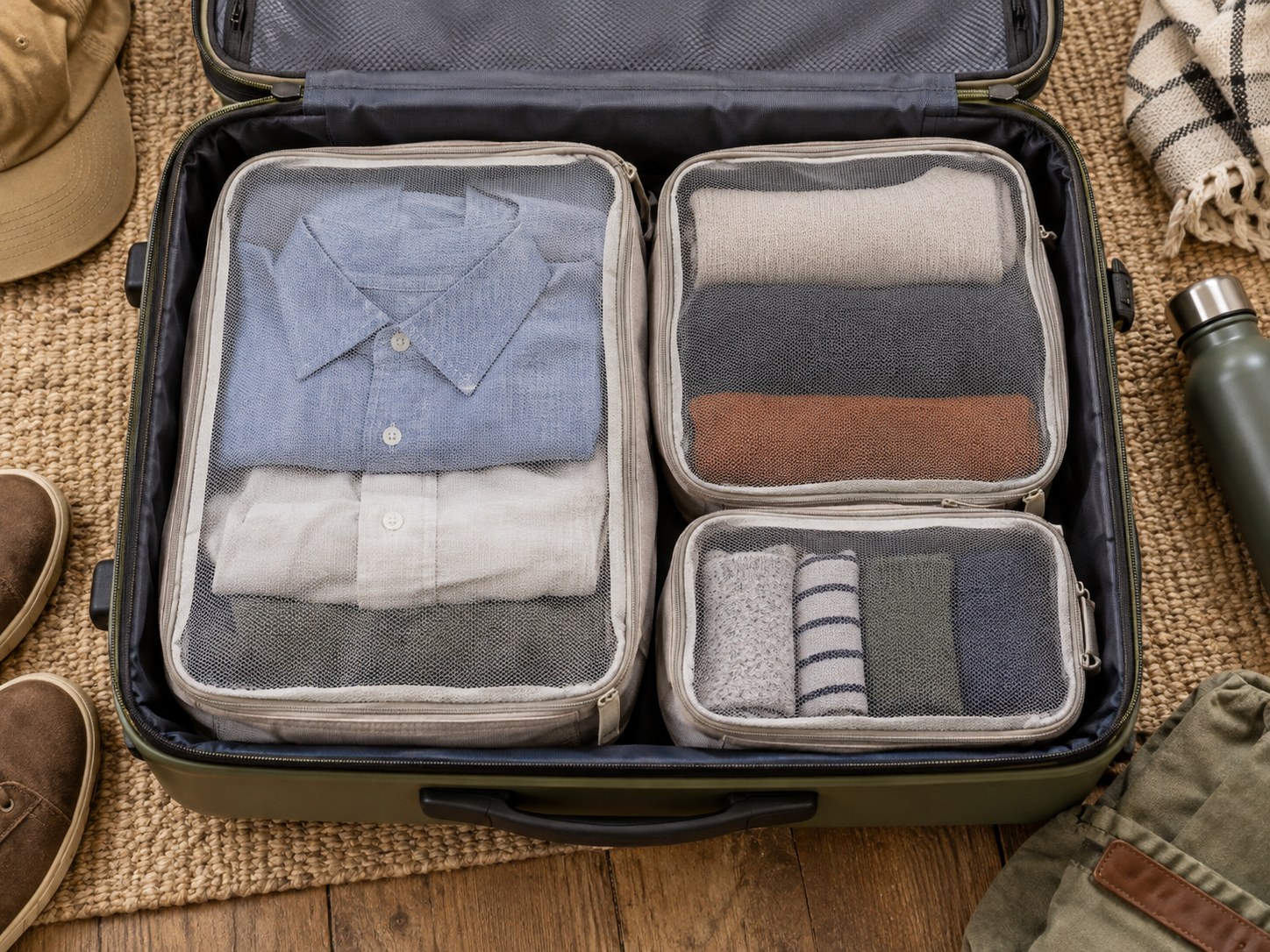
Also think about how you will carry the jacket after a shower. Separate wet fabric temporarily from dry documents and clothing, then allow it to dry openly later. A tiny stuff sack is useful for transporting a dry garment, but is not a suitable long-term home for damp fabric. Assess the jacket across the whole travel day, including the time after the weather improves, rather than only during the downpour.