A western arrival and a northern focus
The Holsten Gate provides a clear introduction for visitors coming from the station direction. From here, streets lead into the historical centre with its town hall and churches. Use this first section to orient yourself: where is the water, which street leads to the market, and where might you later leave the old town? A simple mental outline saves repeated checks of your phone.
The northern area contains the Castle Gate and the surroundings of the European Hansemuseum. If trading history interests you, reserve a longer museum block here. The southern part of the island should then not become another compulsory programme for the same afternoon. Walking between the selected places is already a significant part of the visit, because brick architecture appears throughout the streets rather than only at isolated monuments.
For a shorter day, an alternative is a loop from the Holsten Gate through the centre to the museum harbour and back. There is no need to follow every waterway. Decide whether an indoor collection or the urban setting is your priority. A harbour view can be a quiet pause; a detailed museum visit requires continuous time that cannot reliably be reduced to a few minutes between other appointments.
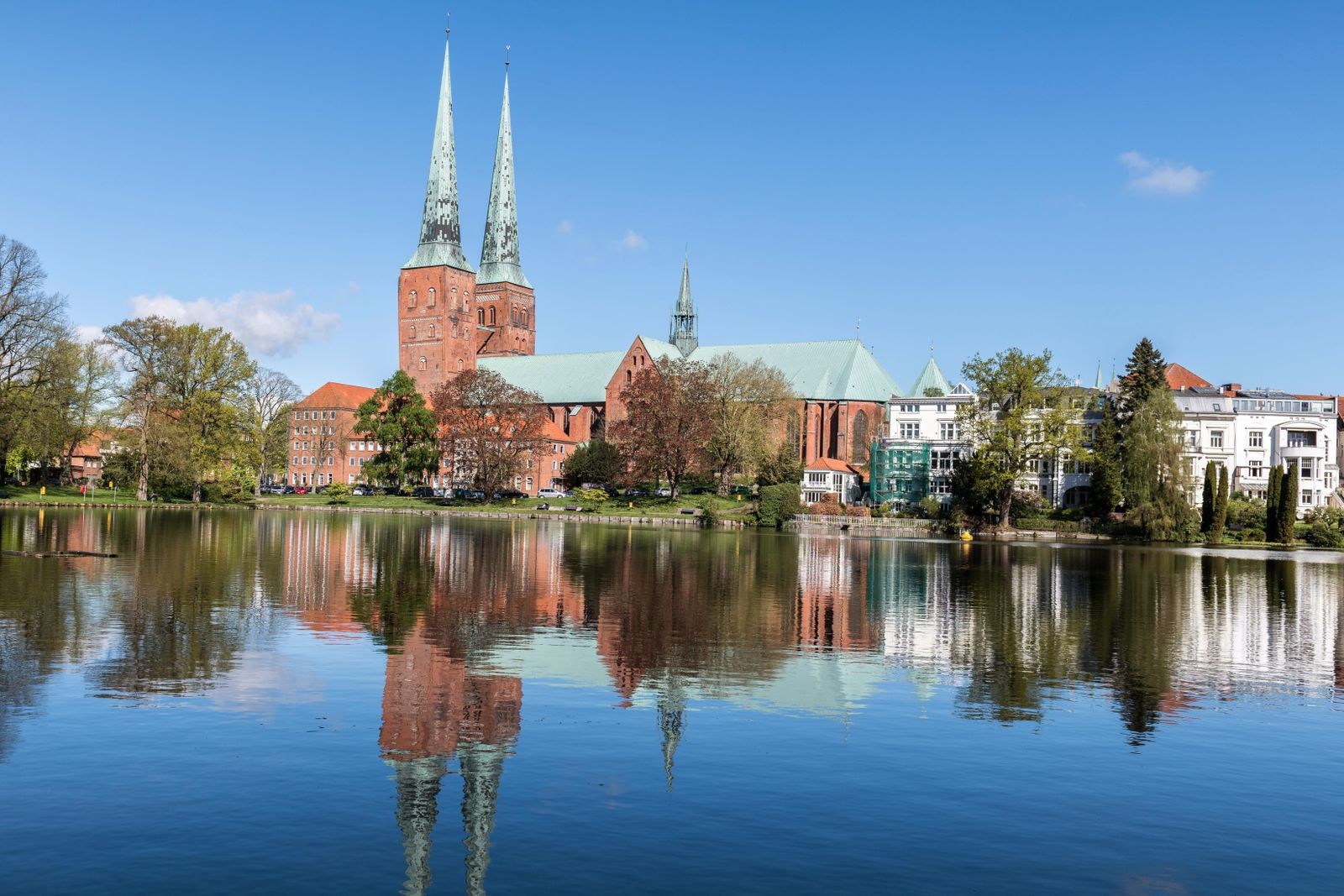
Space out church visits deliberately too. Similar external silhouettes do not mean identical interiors, but several lengthy visits in succession can make distinctions harder to appreciate. Read visitor information for two possible churches and select one. A second can be added later if you still have interest and energy. Religious use takes precedence over sightseeing plans.
Discover passages, courtyards and water considerately
Narrow passages and charitable courtyards form an important part of Lübeck's urban structure. Many are also residential places. Enter only accessible areas, keep voices down and do not interpret an open passage as permission to photograph every doorway or window at close range. Where a group has already gathered, returning briefly later may be preferable to adding to the crowd.
Hüxstraße and Fleischhauerstraße can become slower sections for browsing and refreshments. A shop visit or meal extends the outing without adding distance. Plan beyond the walking estimate shown by a map application. If you buy something fragile, returning directly to your accommodation before another museum may be more sensible than carrying the package throughout the day.
In poor weather, one museum and a limited old-town loop are enough. The island remains interesting without a long waterfront walk. On a second day, explore the section you left out rather than immediately adding a seaside excursion. Travemünde is a separate journey requiring transport and additional time; it does not automatically belong in every short Lübeck visit.
On the final morning, check how far your luggage storage is from the exit you intend to use from the old town. That small decision makes it easier to enjoy a café or waterside pause rather than spending the last available minutes on an unexpected return across the island.