Let your main interest select the areas
Choose the most important interior or experience first. If a major art collection is the priority, reserve continuous time and keep the rest of the day within reasonable reach. One hour in a museum followed by several distant viewpoints is a different trip from a sustained art visit.
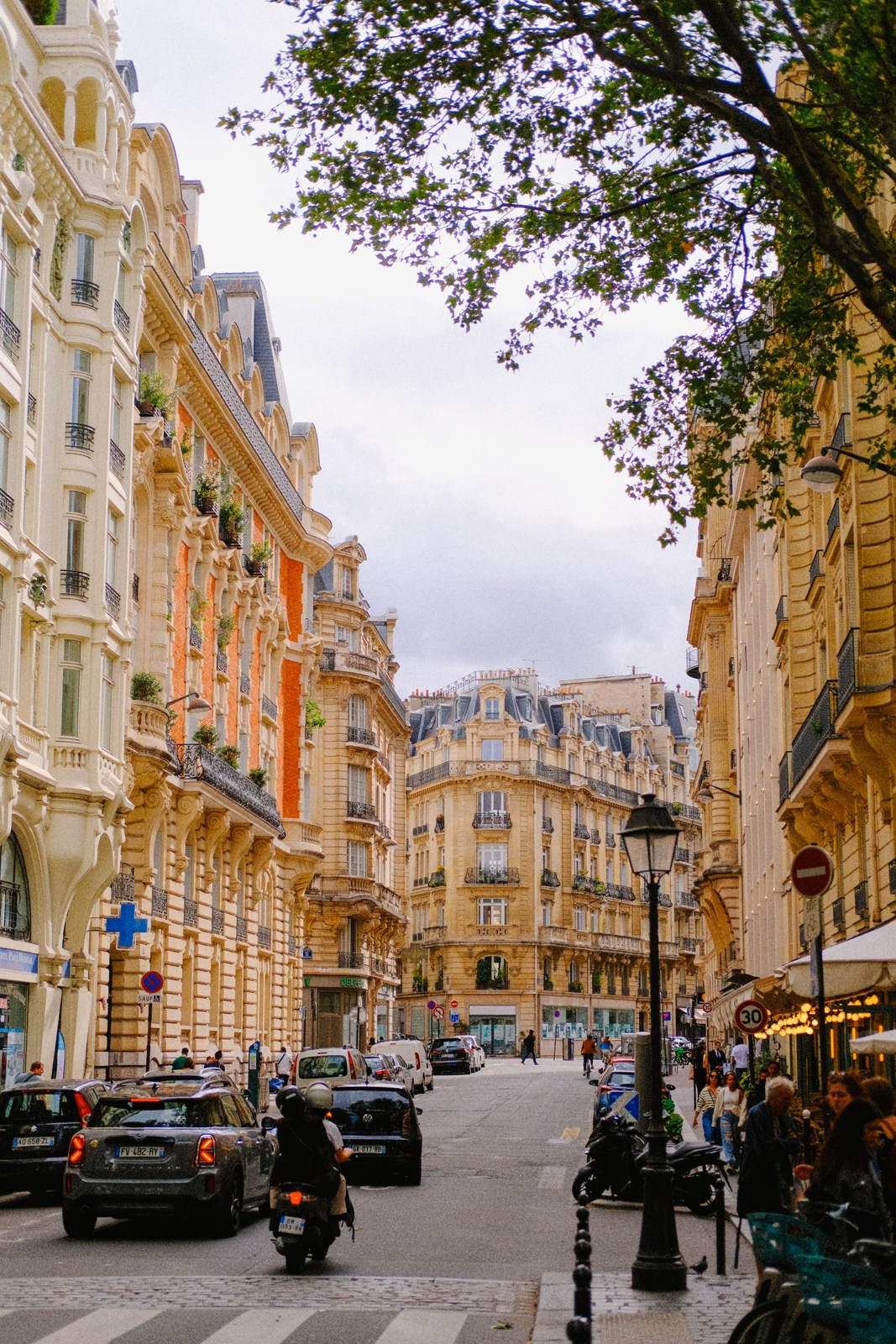
For a walking-focused stay, the Marais, Seine islands and part of the Latin Quarter can form a connected area. That does not mean seeing every street within them. Mark a start, an endpoint and only a few fixed intermediate places for each half-day. Leave the remaining time to the connections.
If the Eiffel Tower or Montmartre is your principal destination, give it a separate block and reduce other neighbourhoods. A famous view across the city is not a brief diversion merely because the Métro provides a link. The outward journey, finding the correct exit and return all belong in the plan.
Choose accommodation by the first and last journey
'Central' is too vague a description in Paris. Compare the route from your arrival station or airport, access to a suitable line and the return from your evening plans. An address that works well for one trip may require several changes from another arrival point.
Look at actual room arrangements: stairs or lift, room position, luggage storage and late check-in. A short map distance does not answer these questions. With an early flight home, the first available connection may matter more than proximity to a famous square.
For two nights, changing hotels within the city rarely adds enough benefit. Packing, checking out and arriving again consume part of an already short stay. Choose one base and use transport deliberately for the few more distant destinations.
Use bookings as anchors rather than a chain
A sought-after interior may require advance booking. Check official sales and the particular admission arrangement. Allow a margin on arrival, but do not immediately follow it with another fixed appointment. Actual visiting time depends on how long you want to remain with the content.
Meals also need room. A famous address is not automatically the best choice if it involves a long detour or queue. Keep a simple alternative within each planned neighbourhood. Food then remains a break rather than another contest against the clock.
Groups with different interests can divide for a while. Two people might enter a museum while others stay in the same district. Agree on a precise meeting point and a workable contact method. An unspecified space outside a major monument is less clear amid crowds than a named entrance.
Keep the final half-day deliberately small
After checkout, the radius should suit your luggage storage. A short walk, meal and bag collection combine easily. A new major visit may introduce additional travel and waiting that are difficult to absorb before departure.
Return instead to a section you enjoyed. A different viewpoint, daylight or an open shop may still add something. A first Paris trip need not finish the city. A few connected neighbourhoods keep it understandable and help you decide which side to explore more deeply on another visit.