Separate observation from judgement
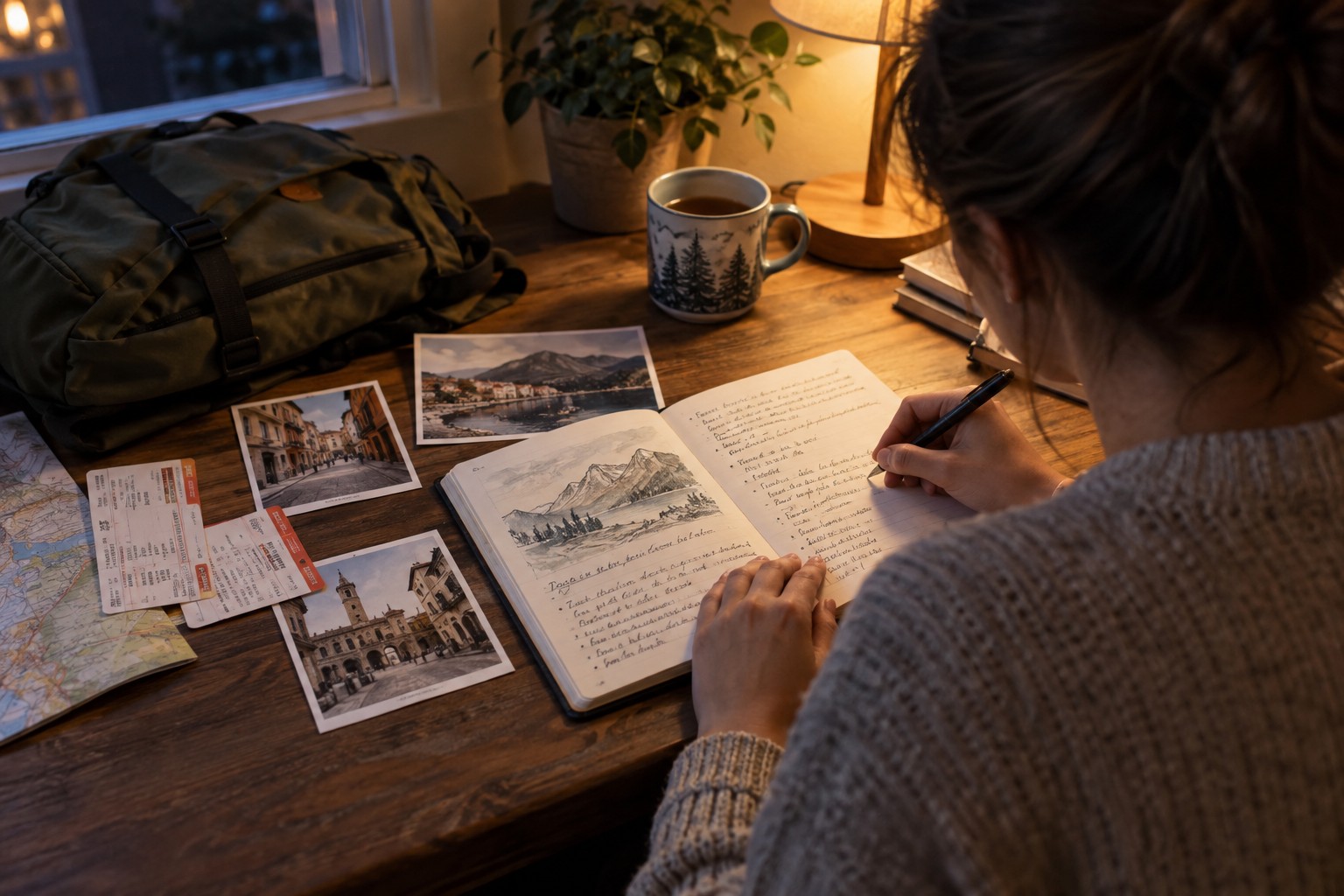
Start by recording what actually happened. An interchange required a longer walk, accommodation was easy to reach in the evening, or a museum needed more time. These details are more useful later than a broad verdict such as exhausting or perfect. Then add why the observation mattered to you.
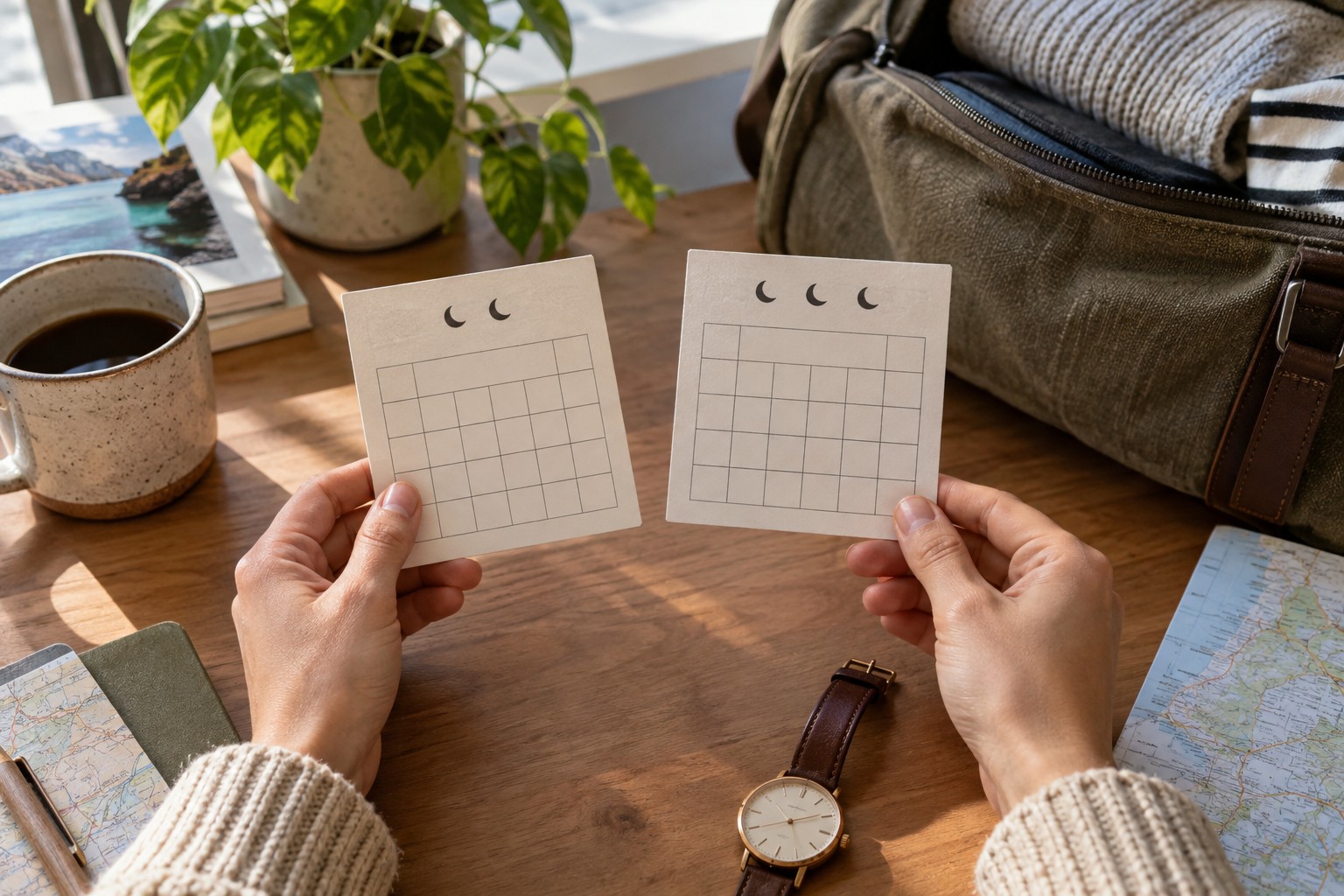
Include the date, travel style and weather where relevant. A short winter visit does not describe every aspect of the same destination in summer. A route that worked alone may also need a different assessment with children or larger luggage. Notes should preserve experience without turning one example into a universal rule for future travellers or future circumstances.
Answer a few questions consistently
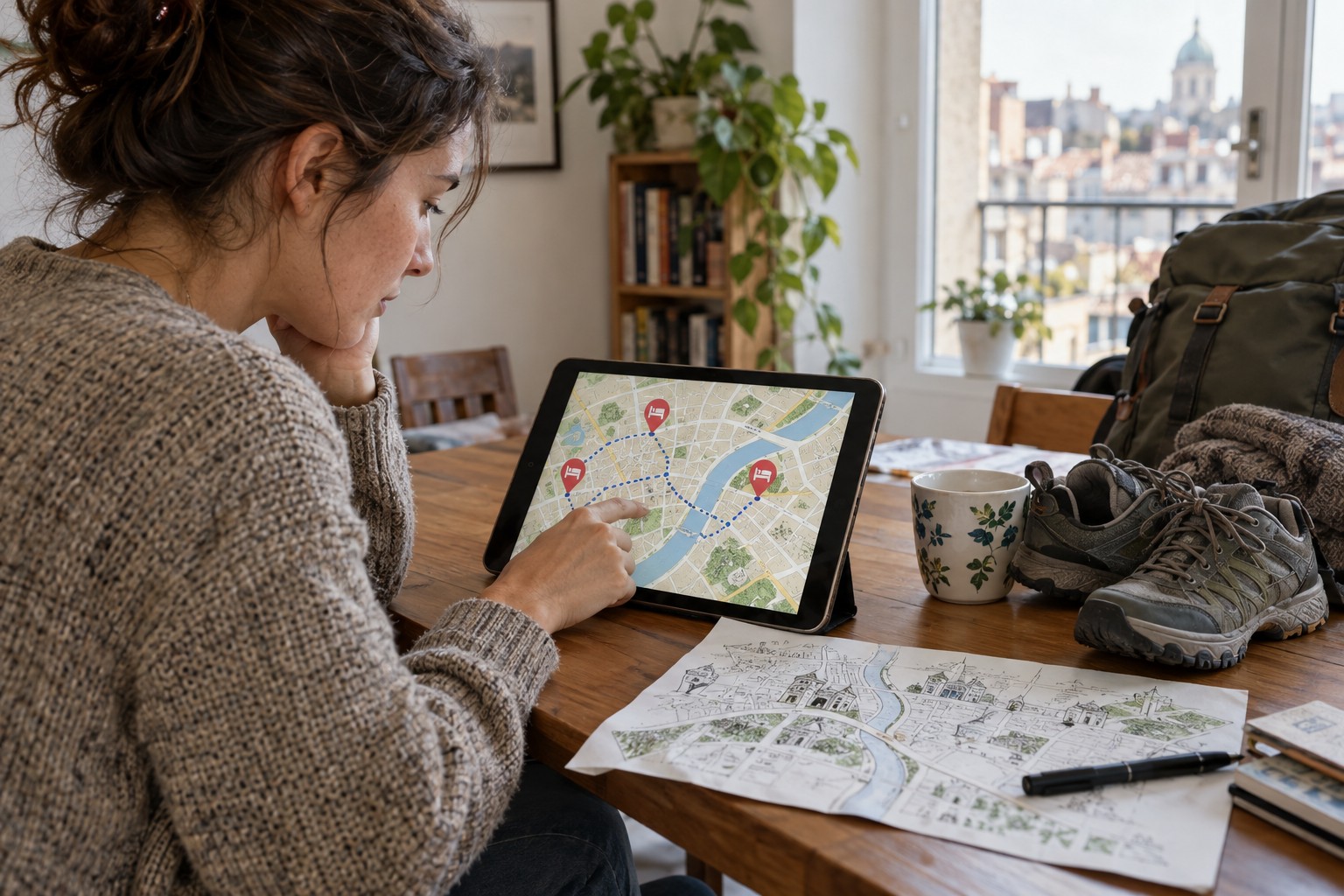
Look at where the schedule was too compressed or unnecessarily generous. Which activity deserved more time, and which journey added little? These observations suggest specific changes. Perhaps fewer accommodation moves would help, or a free morning after a lengthy approach. Connect each adjustment to something that happened rather than an abstract idea of travelling better.
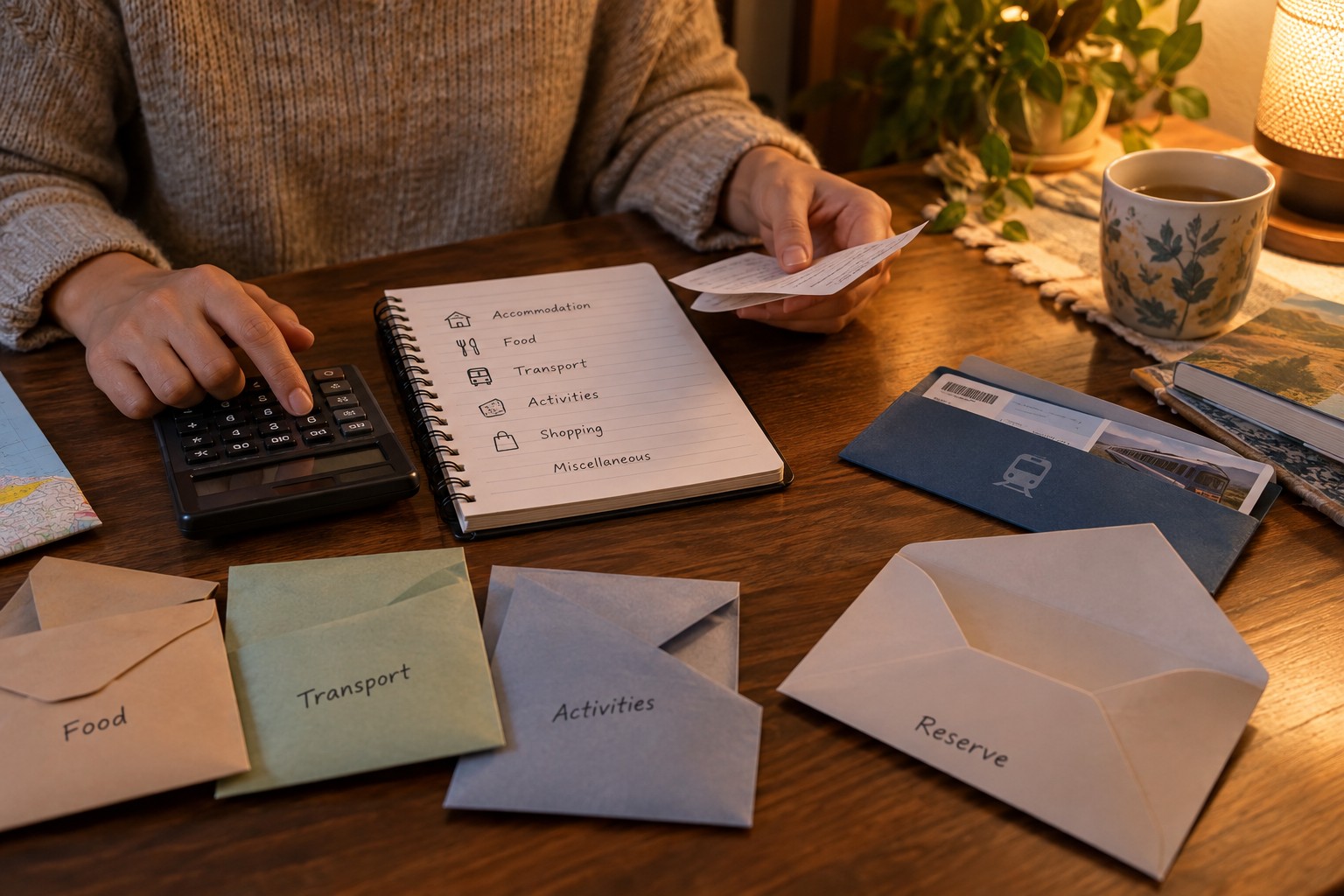
Compare spending with the budget at a useful level. If repeated small purchases were missing, give them a separate place next time. If a more expensive location substantially shortened daily journeys, record that relationship. The purpose is not to justify every purchase afterwards, but to understand which choices changed how the trip worked.
Review the luggage too. What was used regularly, what remained untouched and what was genuinely missing? Rain protection unused on one trip is not automatically unnecessary. Assess objects by function and conditions rather than counting uses alone. This creates a transferable selection rather than a rigid packing list based on one unusually dry or simple journey.
Keep a few changes for the next plan
Finish with two or three consequences you actually want to apply. These might be longer stays at one base, fewer fixed arrival-day appointments or a clearer document folder. A long list of general resolutions is easily forgotten. Specific changes can be retrieved when you next start comparing bookings.
Archive confirmed documents separately from personal impressions. Opening hours, timetables and prices need checking again before another visit. Your note about a route that suited you or a type of collection you enjoyed can still remain valuable. Reviewing a trip connects personal preferences with preparation without treating the conditions of a past journey as permanently valid information.