Translate 'central' more precisely
Śródmieście includes historical streets and modern metropolitan spaces. The official city information divides its own walks through the district because there are so many places to cover. Use that variety as a reason to select, not as an instruction to connect everything in one day.
For a first trip, one half-day can belong to the old town and its surroundings. Begin at a clear point such as Castle Square and plan a limited loop. Choose any interior deliberately. The restored historical town and its story deserve attention beyond a quick passage between photograph points.
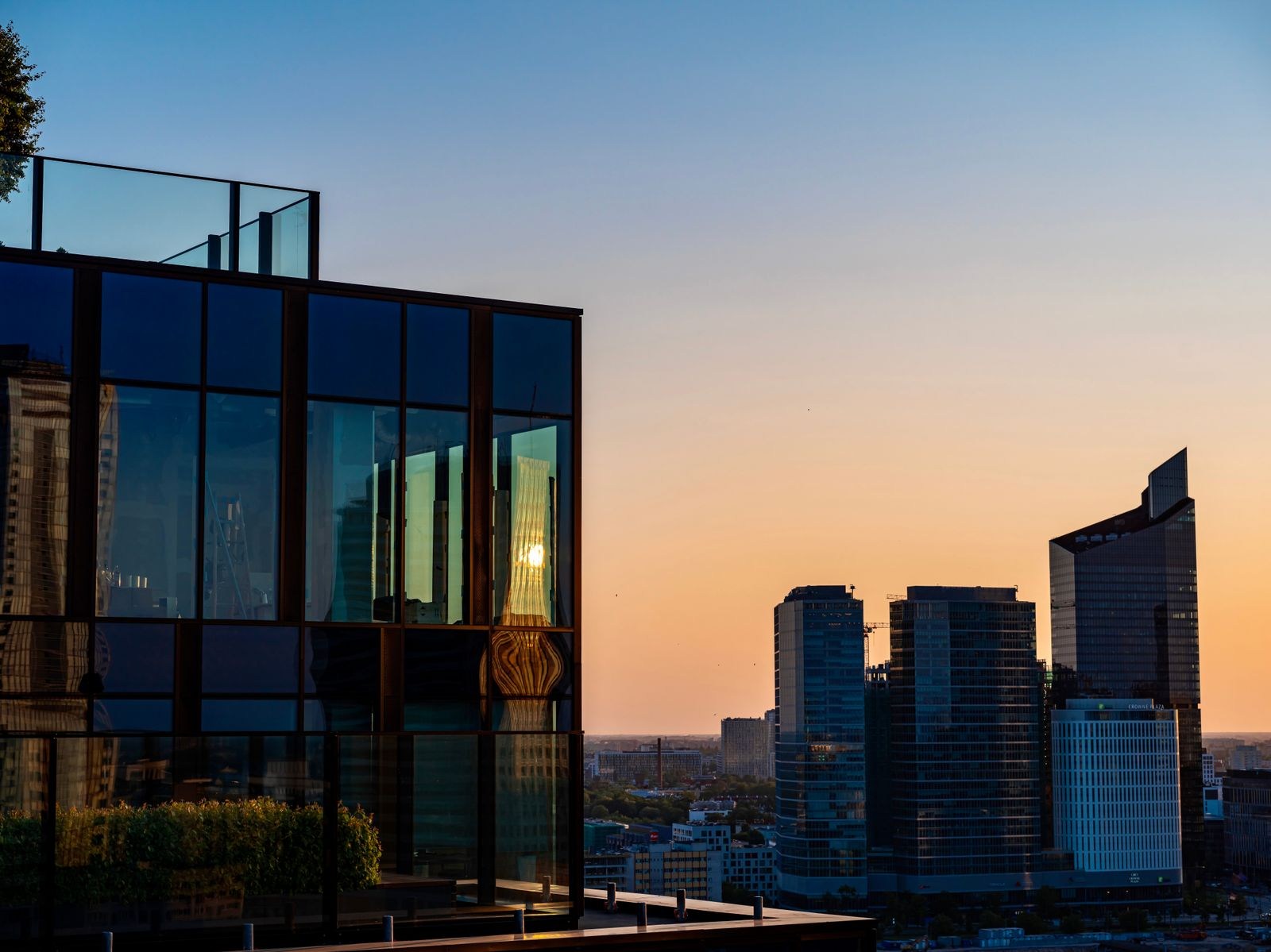
The main station and modern high-rise area form another urban setting. Accommodation there may suit rail travel without placing the old town immediately outside the door. Check real transport connections and walking routes before judging the location.
Begin each day on a chosen side
Praga lies on the right bank of the Vistula and has its own development history. If it belongs in your trip, give it a separate block. Choose a specific cultural destination or coherent street route and plan the connection.
A river crossing is not inherently difficult, but takes time and orientation. This matters particularly when several widely separated addresses on the same bank are also intended. The combined journeys can turn an apparently brief diversion into half a day.
A Vistula walk can be a connection or a pause. Decide which role it should play. A long waterfront route is not automatically the fastest way between two museums. In poor weather, a direct transport journey may be more useful.
Do not combine museums by distance alone
Warsaw's museums address very different subjects, including demanding historical material. Choose one according to your interests and allow time afterwards to reflect. Two substantial historical exhibitions may be excessive even when the transfer appears straightforward.
A park or quiet urban walk can provide a counterpoint. It need not be the most distant or famous park. An accessible outdoor space near the museum may fulfil the purpose better than another lengthy journey.
Groups can divide for different visits, but agree on a precise meeting place and timing that accounts for the actual exhibition. In a large city, an arrangement to meet 'somewhere in the centre later' is particularly unhelpful.
Build a weekend around two geographical anchors
For two days, two principal areas and one selected museum are generally enough. A third section may fit if arrival is early and departure late. The number of nights alone does not describe the time available for sightseeing.
Save the return connection to accommodation for each day. If you tire, the flexible section can shrink without researching a new route from scratch. Warsaw then becomes a varied metropolis to experience rather than a series of distances that must somehow be overcome between recognisable names.