32 articles
Europe
Europe
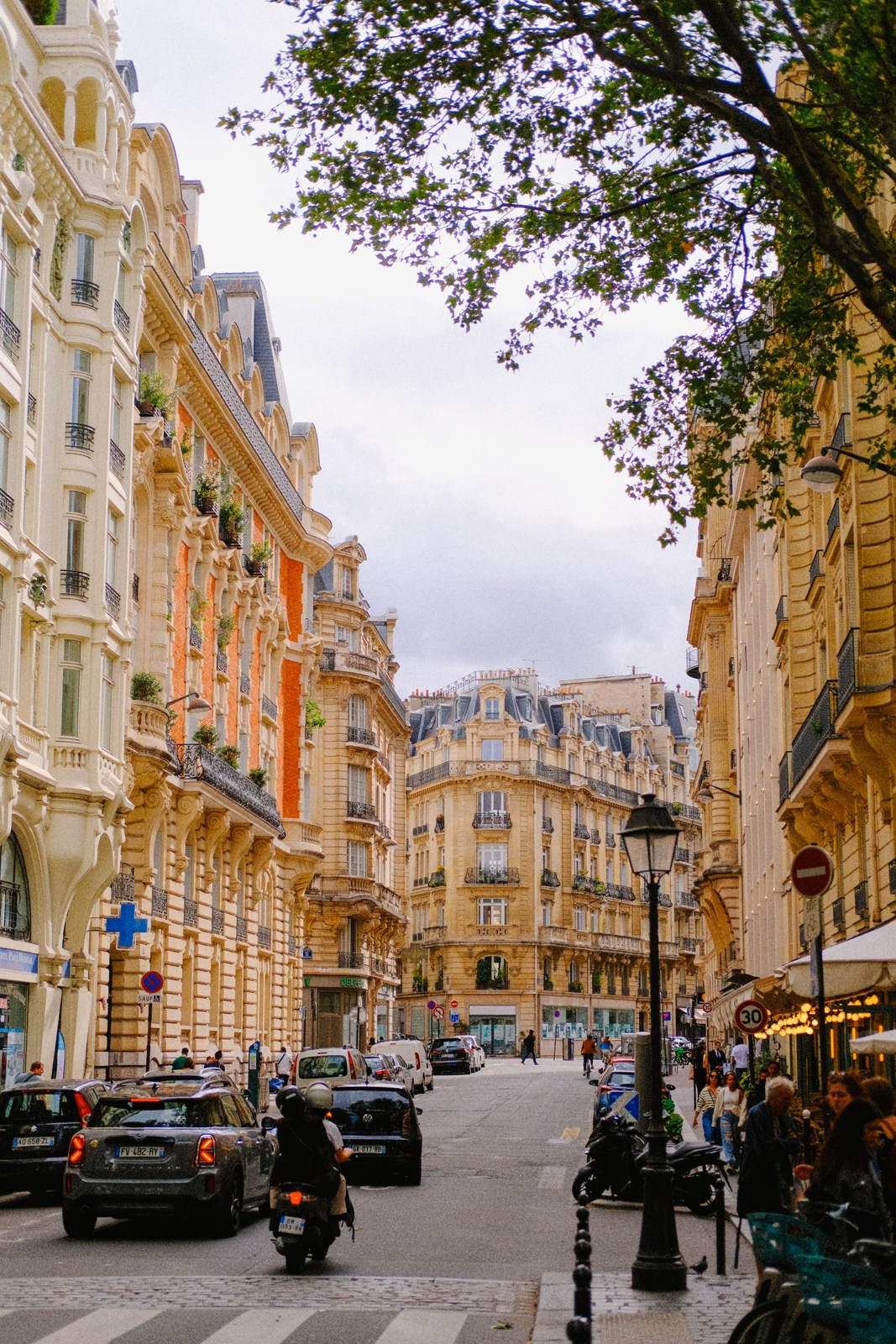
Paris: keeping a weekend to a few neighbourhoods
A Paris weekend does not become more complete by linking the greatest number of distant landmarks. Two or three connected neighbourhoods leave more time for streets, interiors and pauses.
Europe
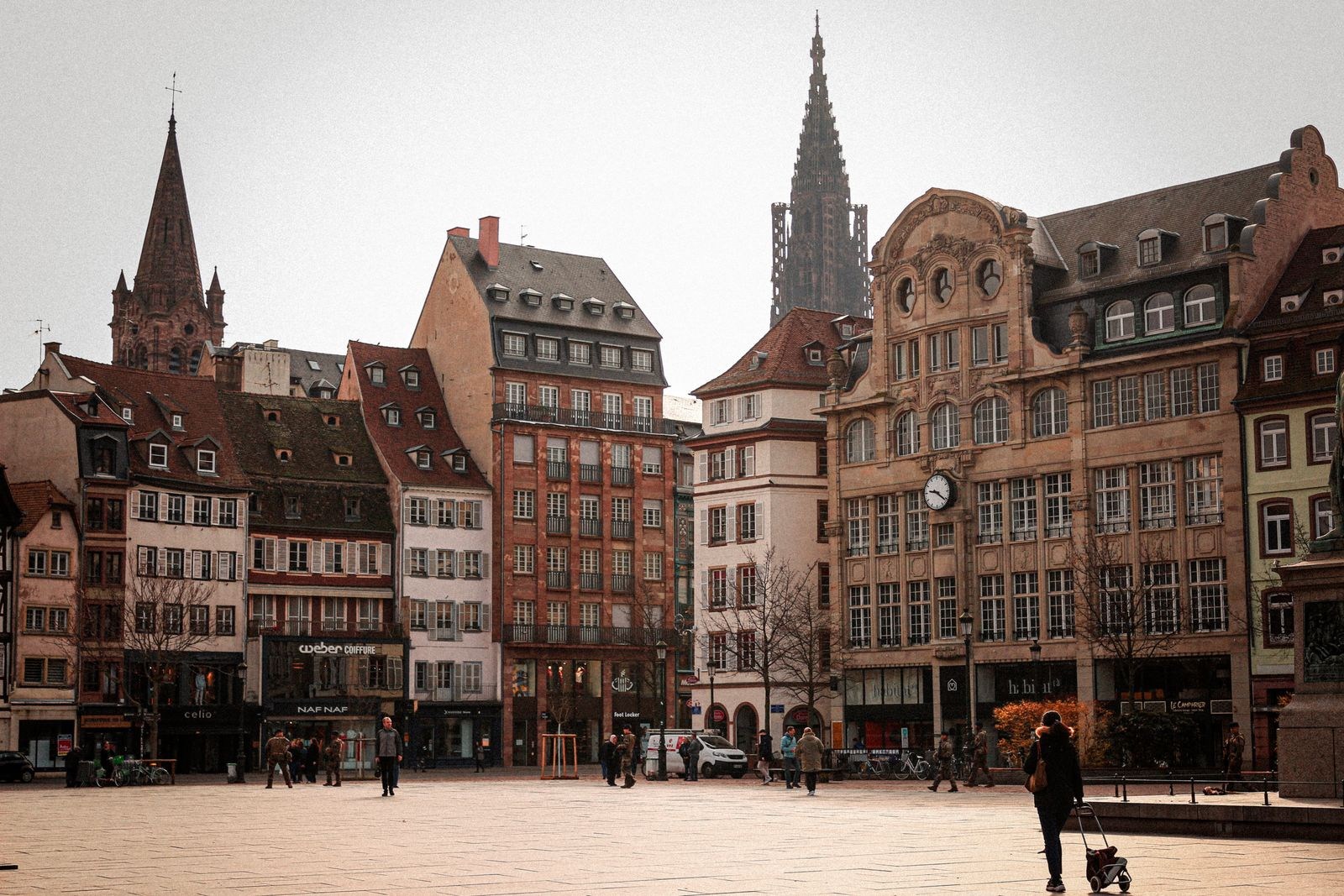
Strasbourg: combining the historic island and outer walks
Strasbourg's Grande Île and Neustadt reveal different approaches to urban planning. A walk becomes clearer when you notice their transition rather than simply collecting familiar façades.
Europe
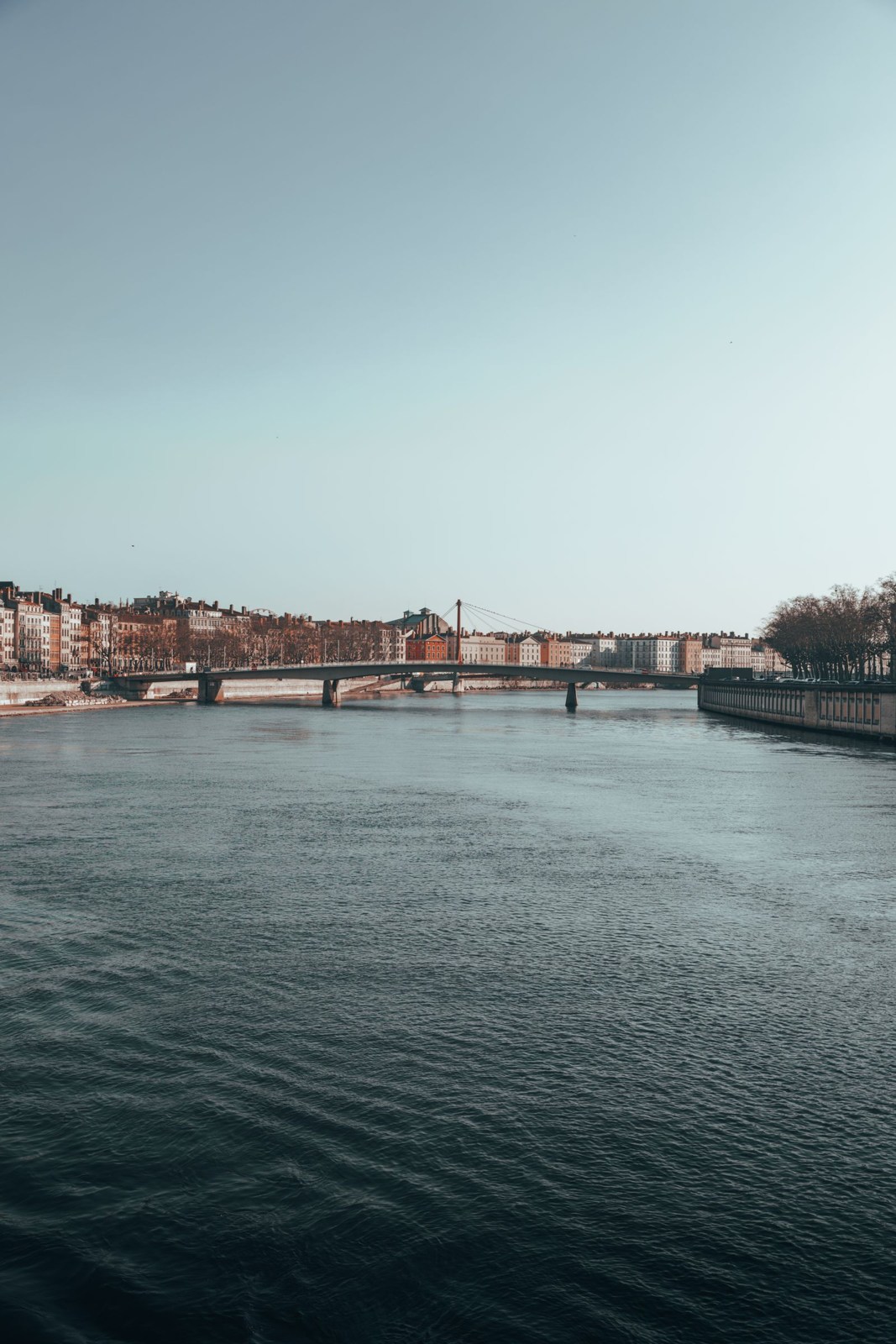
Lyon: two rivers and contrasting neighbourhoods
Lyon occupies the banks and space between two rivers, with prominent hills as well. A short visit benefits from separating Vieux-Lyon, Presqu'île and one deliberately selected elevated area.
Europe
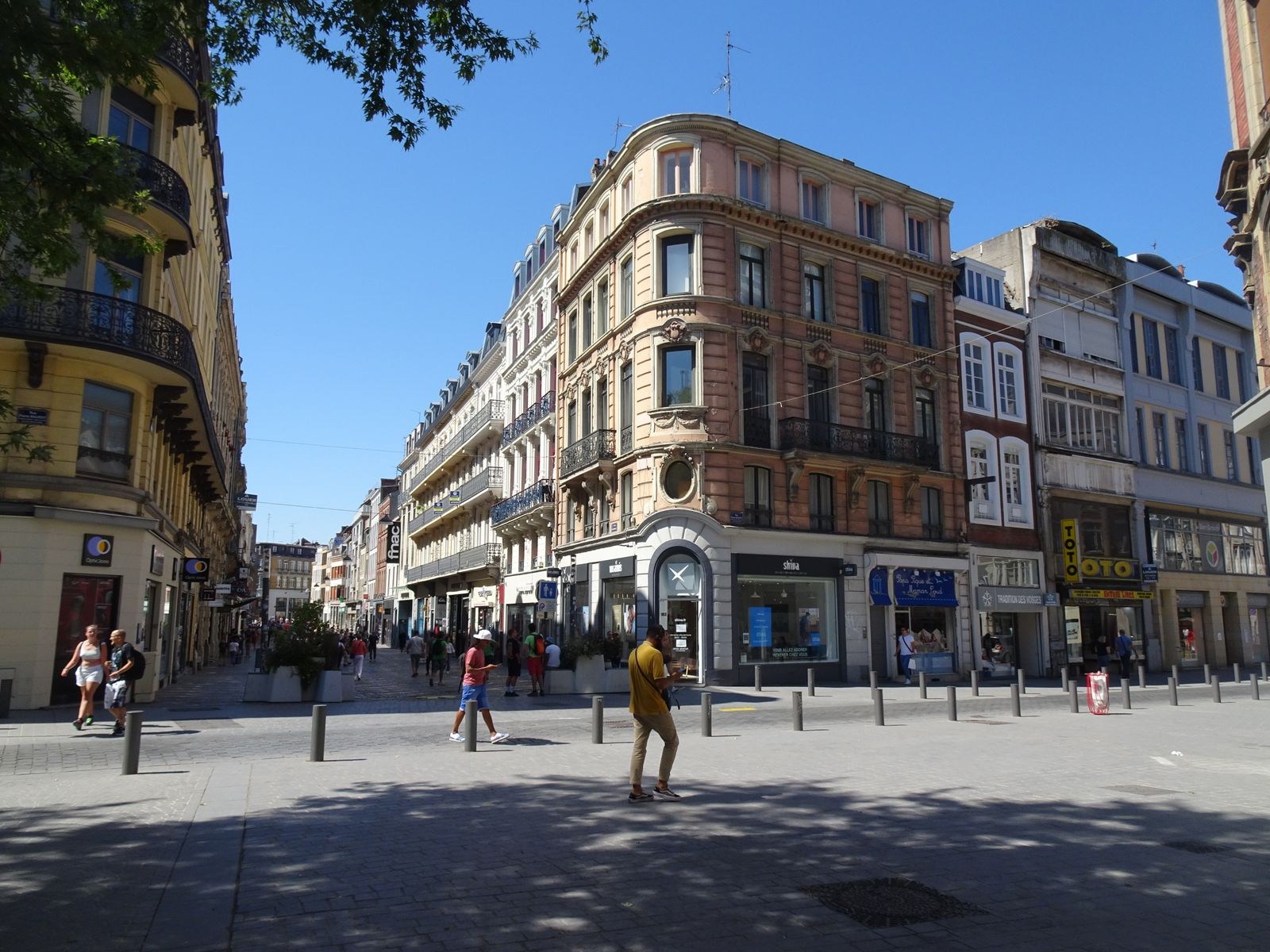
Lille: a short weekend between old town and museums
Lille suits a short weekend framed by the old town and one selected museum. Other cultural venues across the metropolitan area are genuine excursions, not invisible additions to the same central walk.
Europe
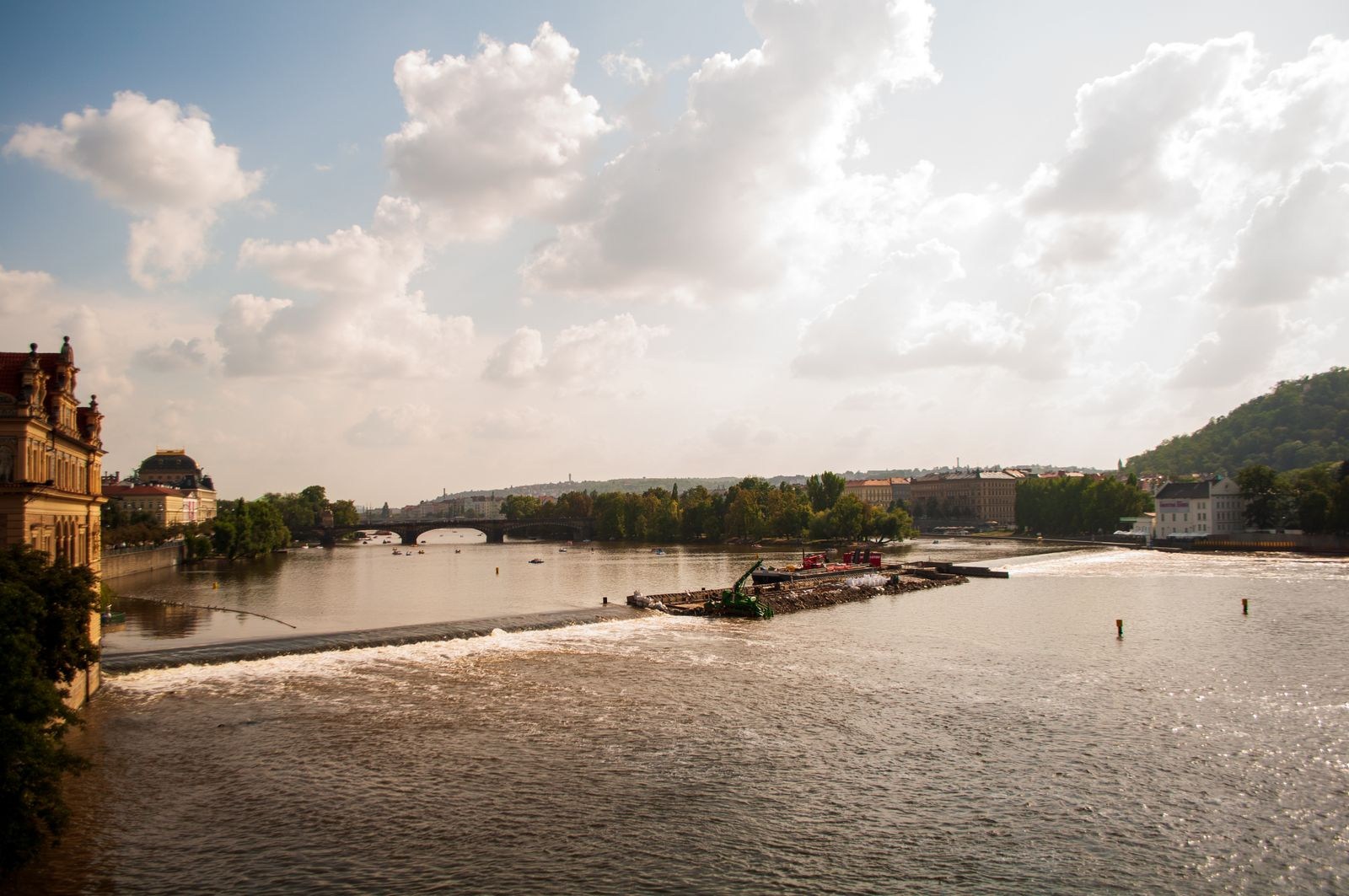
Prague: planning for hills and river crossings
Prague's river crossings and elevation changes matter more to a relaxed itinerary than the number of sights. Avoid switching between the castle side and old town every hour.
Europe
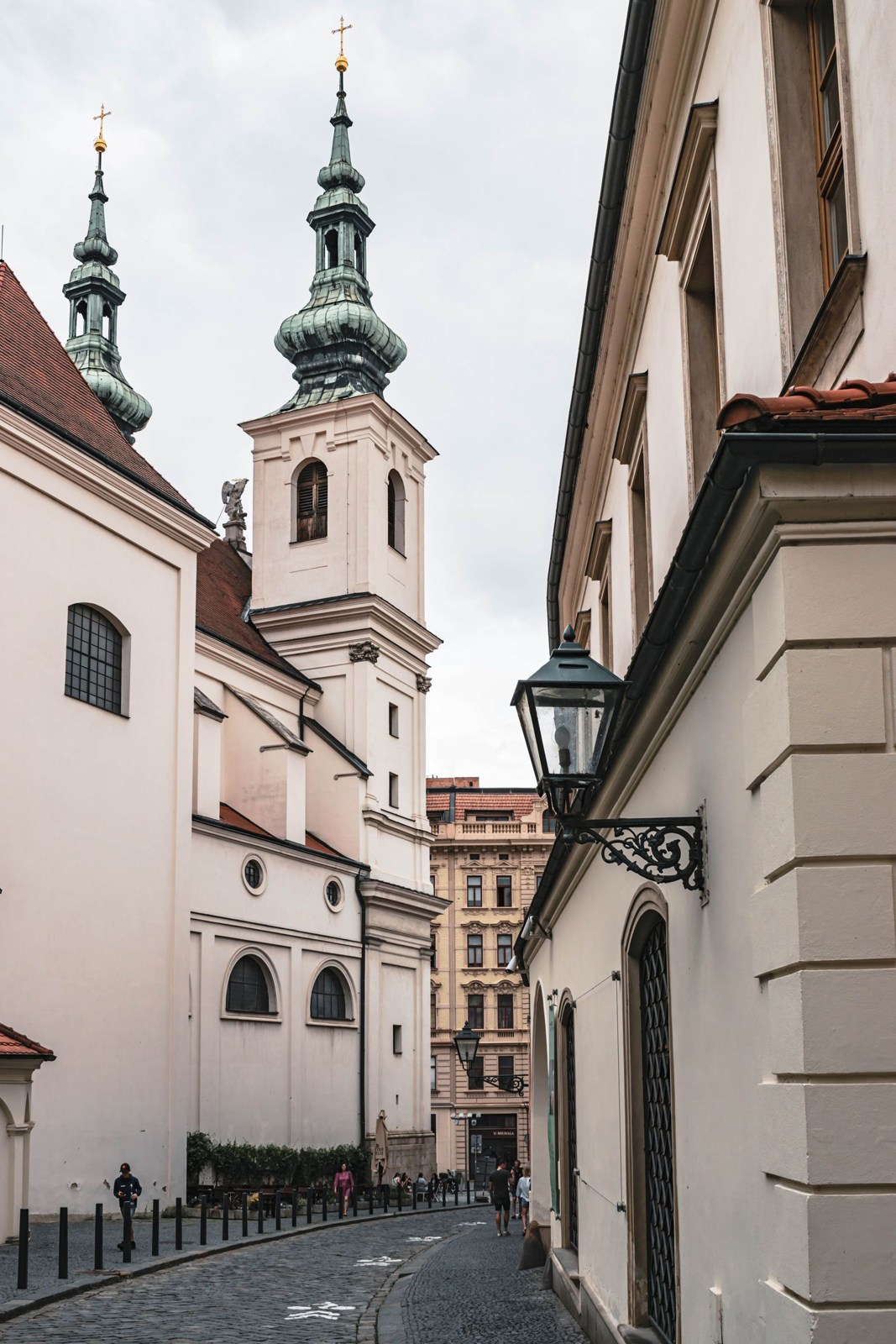
Brno: structuring a short city stay
Brno combines a compact centre with several substantial cultural destinations. On a short stay, separate the central walk from visits requiring special access or a further journey.
Europe
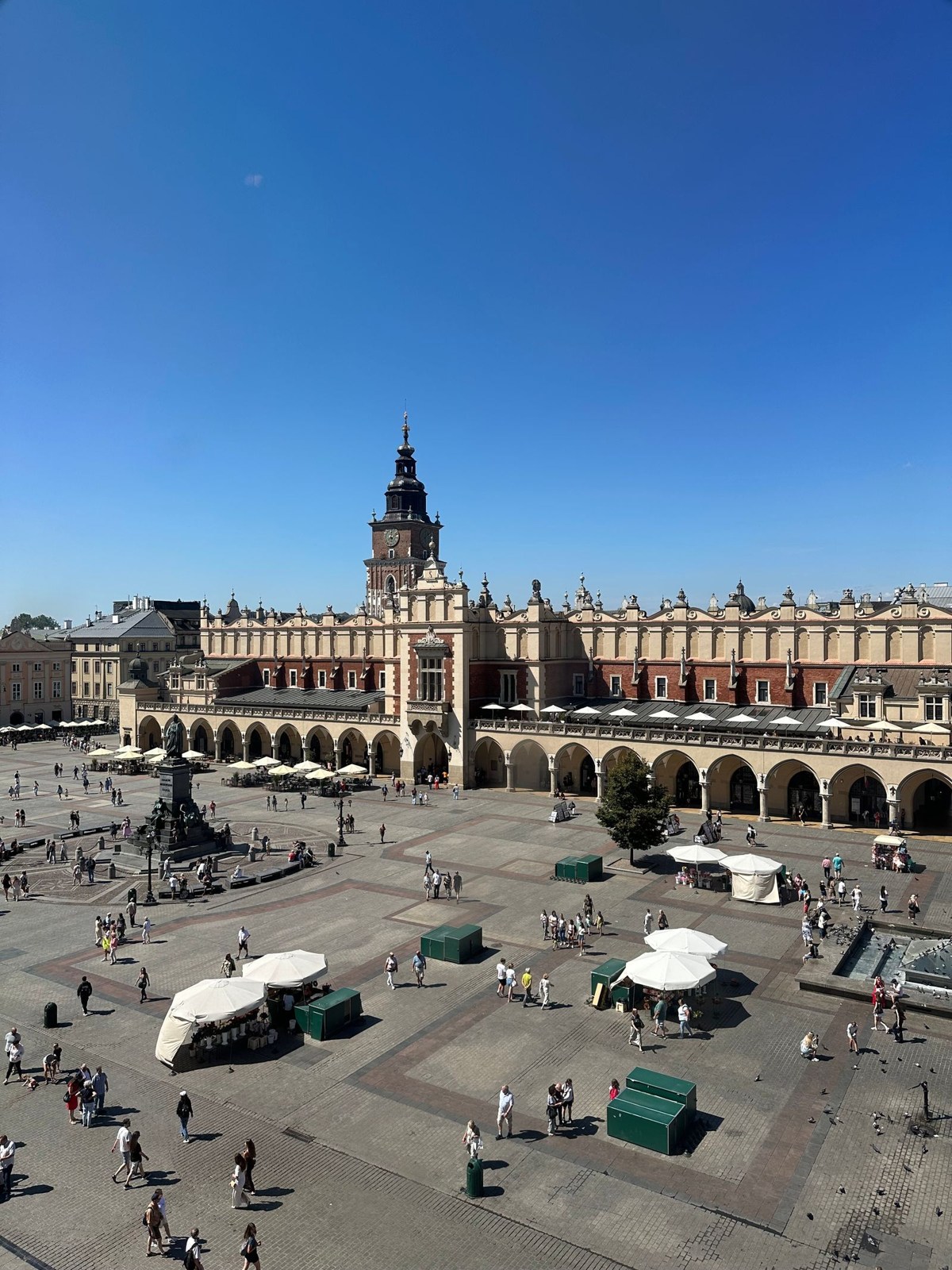
Kraków: visiting the old town and Kazimierz separately
Kraków's old town and Kazimierz deserve separate intervals. Treating both merely as stops before another excursion overlooks their different historical and present-day meanings.
Europe
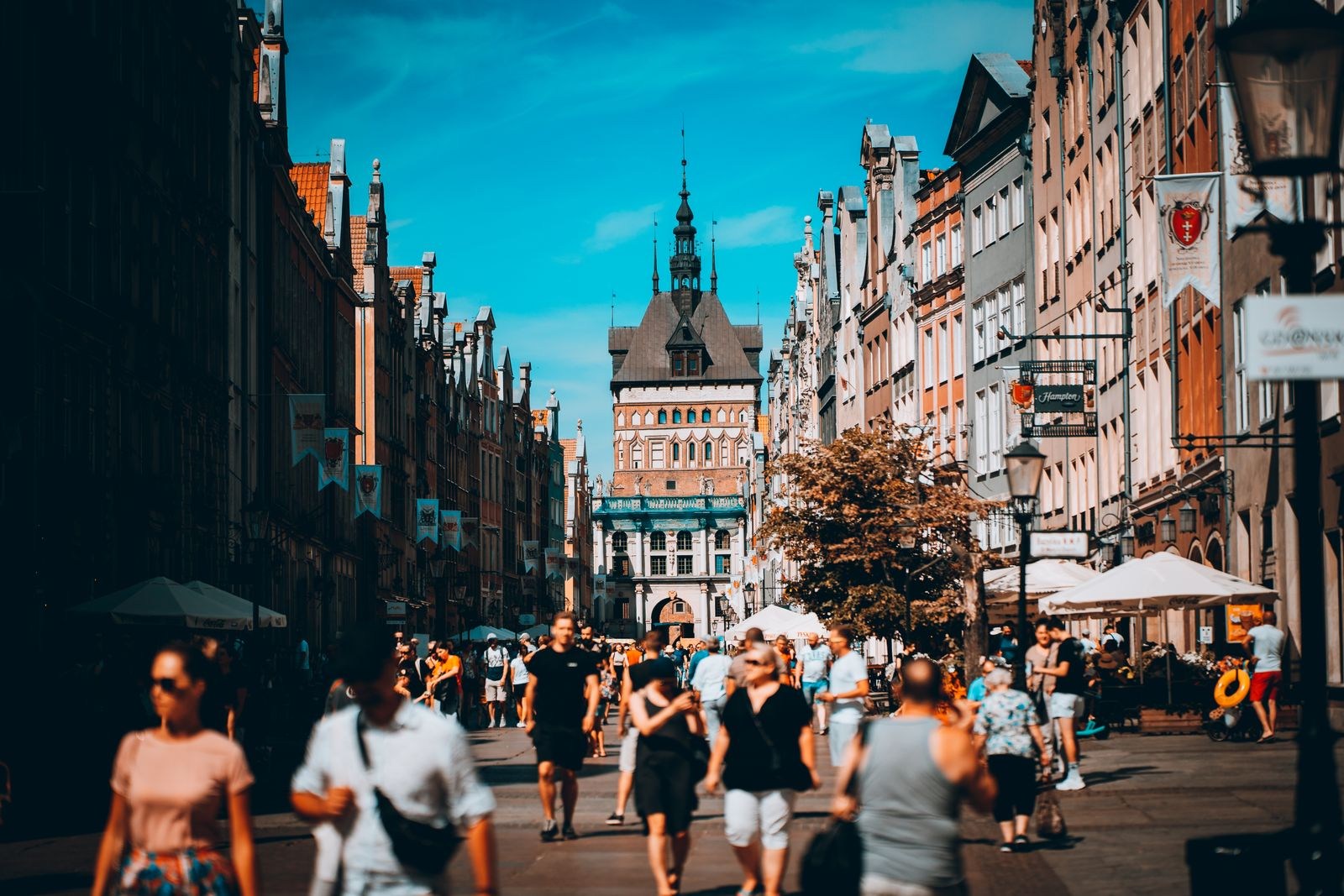
Gdańsk: linking the Main Town and waterfront
Gdańsk's Main Town and Motława waterfront can form one connected walk. A coastal excursion is a separate journey and should not be confused with strolling beside the historical harbour.
Europe
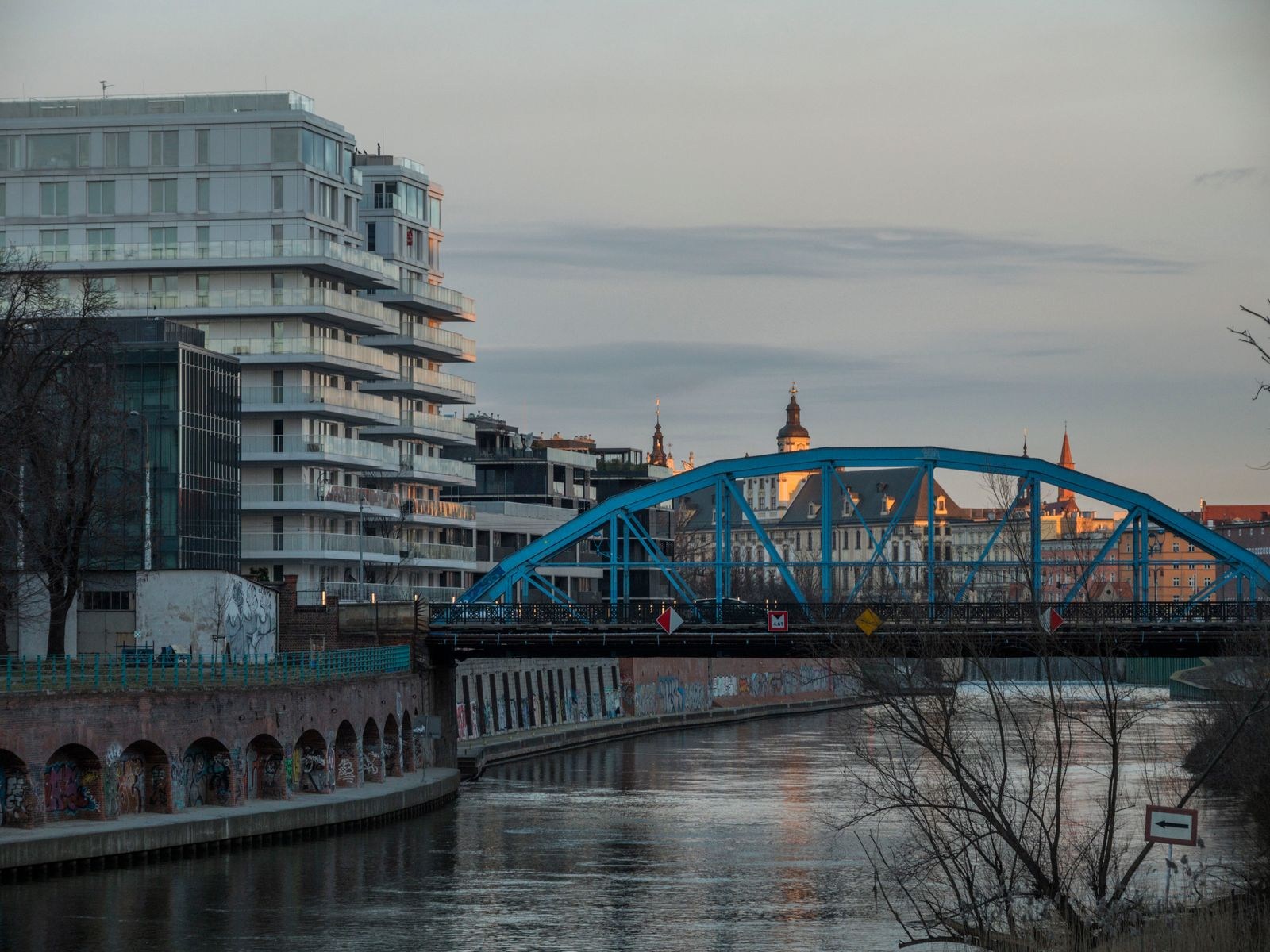
Wrocław: islands, bridges and the old town
Wrocław's islands and bridges add variety to a city walk. A limited selection is often more useful than trying to cross every visible branch of water in one circuit.
Europe
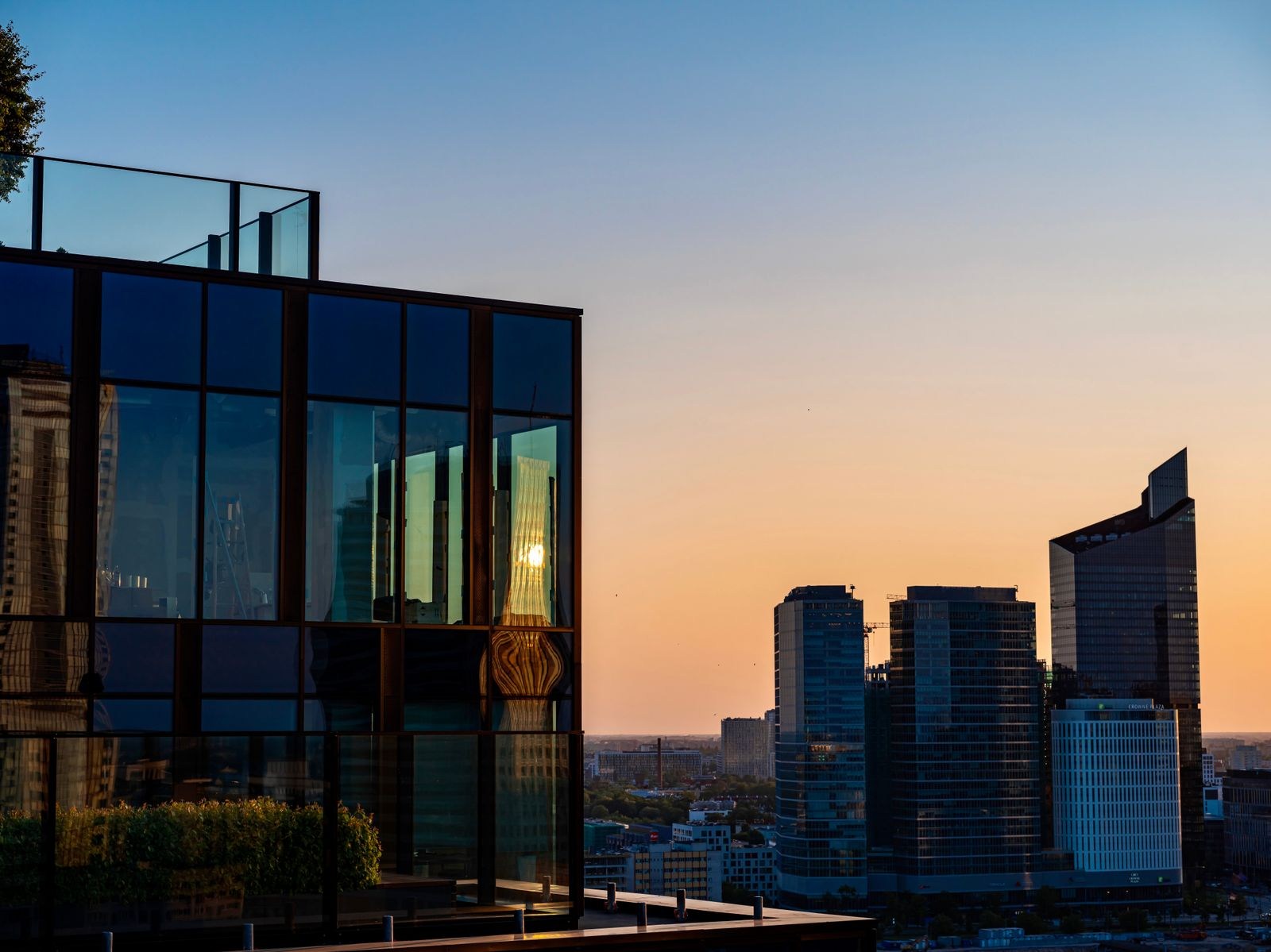
Warsaw: accounting for distances between districts
Warsaw's centre contains several distinct areas. A centrally described room is therefore not automatically close to the old town, parks, museums and Praga at the same time.
Europe
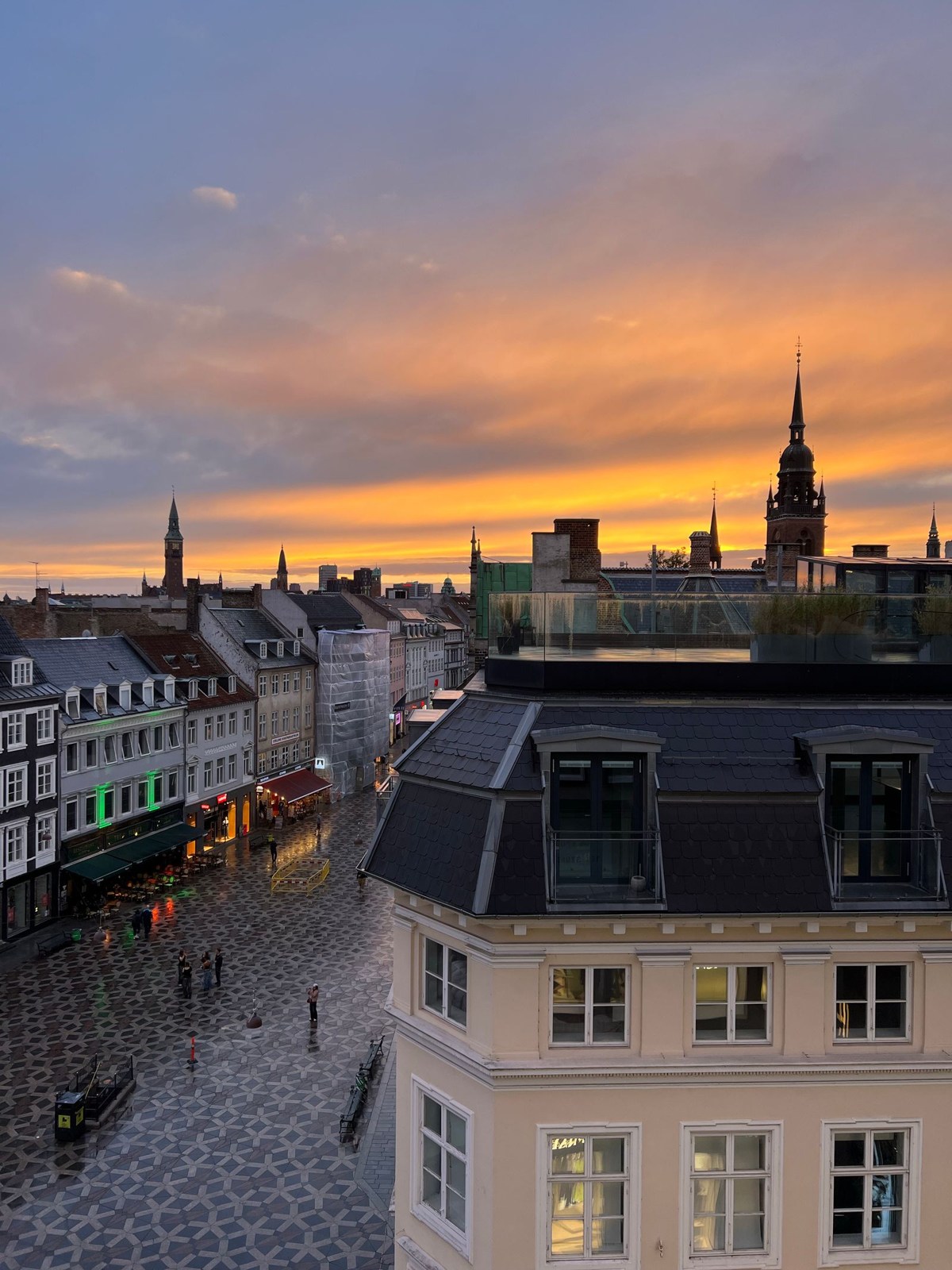
Copenhagen: planning a compact city visit
Copenhagen suits a compact first visit framed by the centre and one additional neighbourhood. Good transport supports selective planning; it is not a reason to change areas repeatedly every day.
Europe
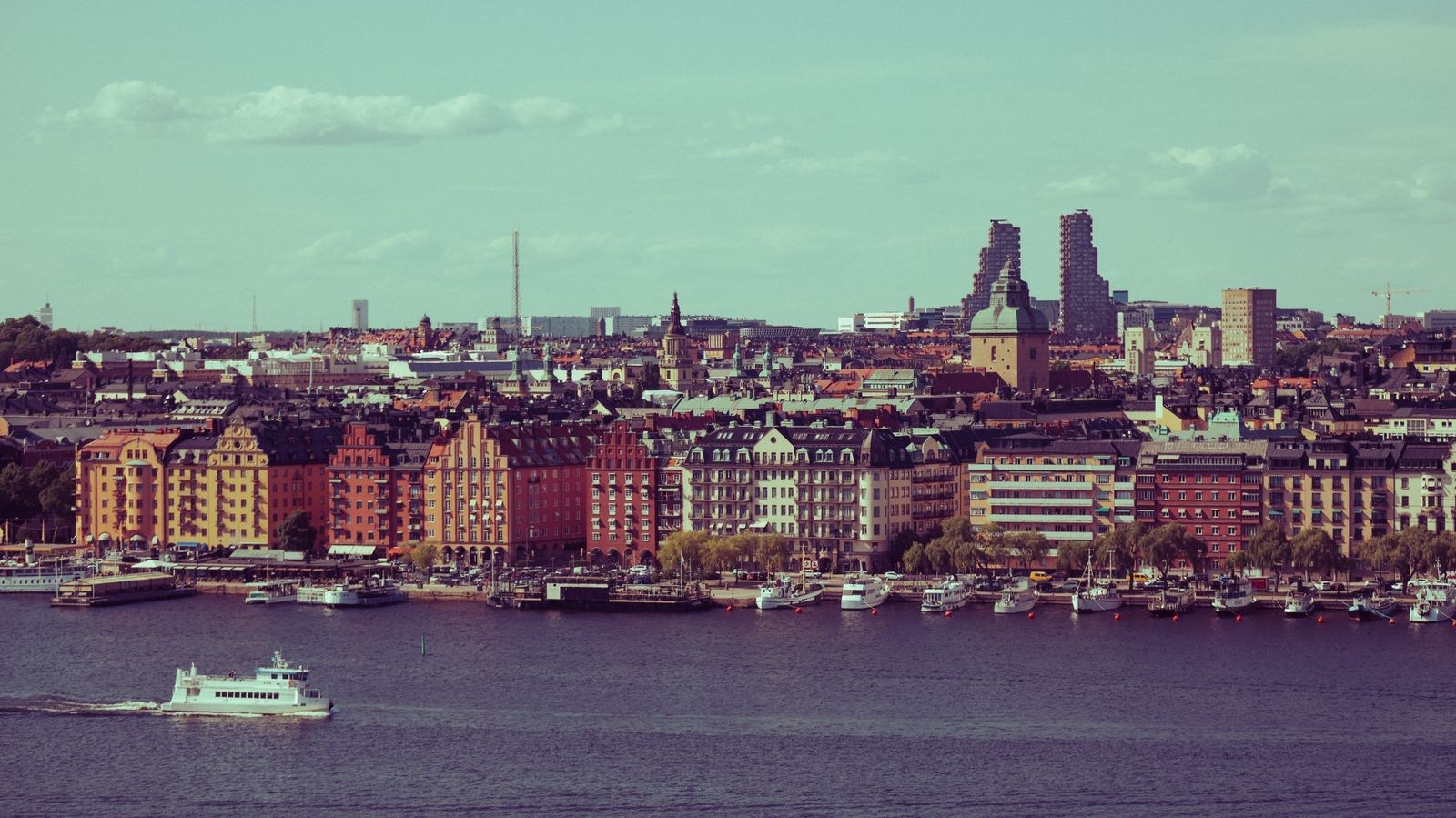
Stockholm: grouping islands into daily routes
Stockholm's islands shape the city and provide useful boundaries for daily plans. Accounting for the connections lets you enjoy water views without repeatedly switching between widely separated museums.